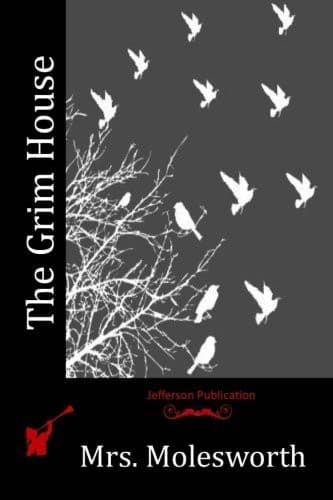
England -- Social life and customs -- 19th century -- Fiction; Families -- Fiction; Young women -- Fiction
I knew that he alluded to his wife's death, so I said no more. But the
effect of this little conversation was, I now see, somewhat to increase
my own self-confidence, and rather to lead me to think more than
heretofore that in some ways Isabel was babyish, and almost morbid in
her scrupulous conscientiousness.
Between us, with the best intentions in the world, her father and I at
this juncture went rather to an extreme with poor Isabel. She was very
far from being as strong as I constitutionally, and when she hung back,
as happened now and then, from any scheme of long walks or drives, which
Moore and I, in spite of his past delicacy, felt quite equal to, we
urged her joining us, Mr Wynyard always endorsing what was said.
"You mustn't be lazy, my dear child," he would say rallyingly; "now that
you have got companions you must profit by them."
And she always gave in, accusing herself of want of energy and spirit,
when in reality she was not fit for what she attempted.
I have often felt sorry, now that years and greater experience have
taught me better--I have often felt sorry to think of the efforts dear
little Isabel must have made in order to keep up with us and to please
her father. But after all, no very great harm was done, for the poor
child caught cold one day through getting drenched in a thunderstorm,
which necessitated a visit from the doctor, who had known her all her
life, and who pronounced her decidedly "below par."
Any suggestion of chest danger terrified Mr Wynyard, for Zella's mother
had died of consumption; so her catching cold was probably a benefit in
disguise, as it put a stop once for all to her forcing herself to do
more than she was able for. She took it to heart so much, that Moore
and I felt on our mettle to prove to her, and indeed also to Mr
Wynyard, who blamed himself almost unduly, that we could manage to amuse
ourselves very well indeed in spite of our regret at her absence. For
fully a week she was not able to go out at all, and during that week--
well, I must narrate what happened circumstantially.
I think it was on one of our expeditions before Isabel fell ill, and not
many days after his arrival, that Moore, on our return to Millflowers
one evening down the hill-road, noticed the Grim House for the first
time. Hitherto I had not mentioned it to him. I think I was secretly a
little afraid of awakening his curiosity on the subject, and conscious
that if I talked of it at all, I should probably be tempted to tell him
all I knew.
He stopped short, I remember, at the point on the road whence the best,
in fact the only, view of the place was attainable.
"What a gloomy-looking house!" he exclaimed. "It might be a small
prison or a private lunatic asylum."
"On the contrary," said Isabel. "Such places, asylums at least, are
now-a-days very cheerful-looking, I believe."
Public-domain text, read in full here on John Shaqi.
Reviews
Reviews
No reviews yet
Be the first to share your thoughts on this work.
Join the Discussion
Join the discussion
Sign in to leave a comment or review.
Sign InorCreate an account