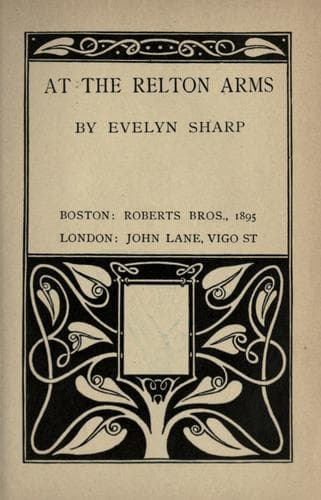
England -- Social life and customs -- 19th century -- Fiction
"Philanthropy is the selfish pastime of the great, and I was an owl to
meddle with it," she said gloomily to Sir Marcus, who happened to be
lunching with her one day about that time. Sir Marcus always came to see
her whenever he came to town, and told her of his last letter to the
papers, or his last effort to improve the condition of the
working-man;--she had loved his boy, and she always listened without
laughing at him; these were the two ideas he vaguely connected with her
in his mind. Another man, a less easily impressed one, might have been
killed by the suddenness of Jack's death; but Sir Marcus, although his
infatuation for his scapegrace son had been the deepest attachment he
had ever felt for any one, had been really more affected by the tragedy
of his end than by his actual death; and so it came about that he was
considerably aged by the shock, and yet was able to return again to his
books and his hobbies.
"Philanthropy in town is all a mistake, my dear," he answered her,
hotly; "it's nothing but a trumped-up job among the swells, that's what
it is, of course. In my time, you know, before there were such a lot of
them in the nursery, and when I was pitching my thousands right and
left,--_that_ was philanthropy if you like! But now philanthropists are
merely commercial contractors,--you mark my words, my dear, commercial
contractors running the whole concern for profit; and what good can come
out of that, eh? Ah, you must come down into the country for morals;
Londoners are the biggest thieves in existence."
"Not so bad as that, Sir Marcus," she remonstrated; "I don't think
philanthropists are commercial contractors exactly, at least not the
ones I've met. They are mostly egoists and mostly unbusinesslike, but
not thieves, no."
"Isn't that what I said?" said Sir Marcus, testily. It was not; but she
did not wish to risk her reputation with him, and she listened patiently
while he poured out his own schemes for the education of the country
laborer, or rather of the Murville laborer, until she repeated her first
remark to herself with a yawn, and wrote round to Digby, after Sir
Marcus had left, to come and tell her what to do next.
Public-domain text, read in full here on John Shaqi.
Reviews
Reviews
No reviews yet
Be the first to share your thoughts on this work.
Elsewhere in the archive
Join the Discussion
Join the discussion
Sign in to leave a comment or review.
Sign InorCreate an account