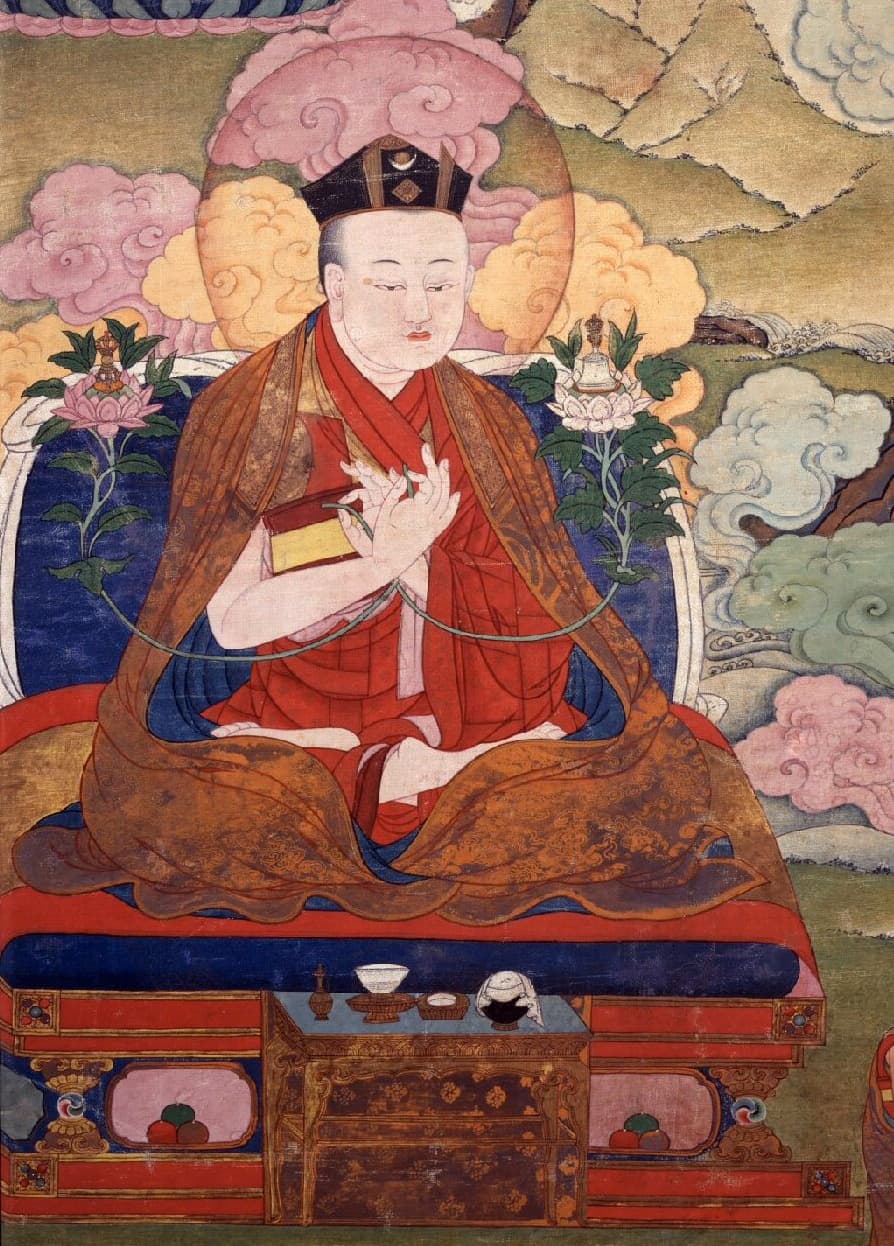
3rd Karmapa, Rangjung Dorje
Asia
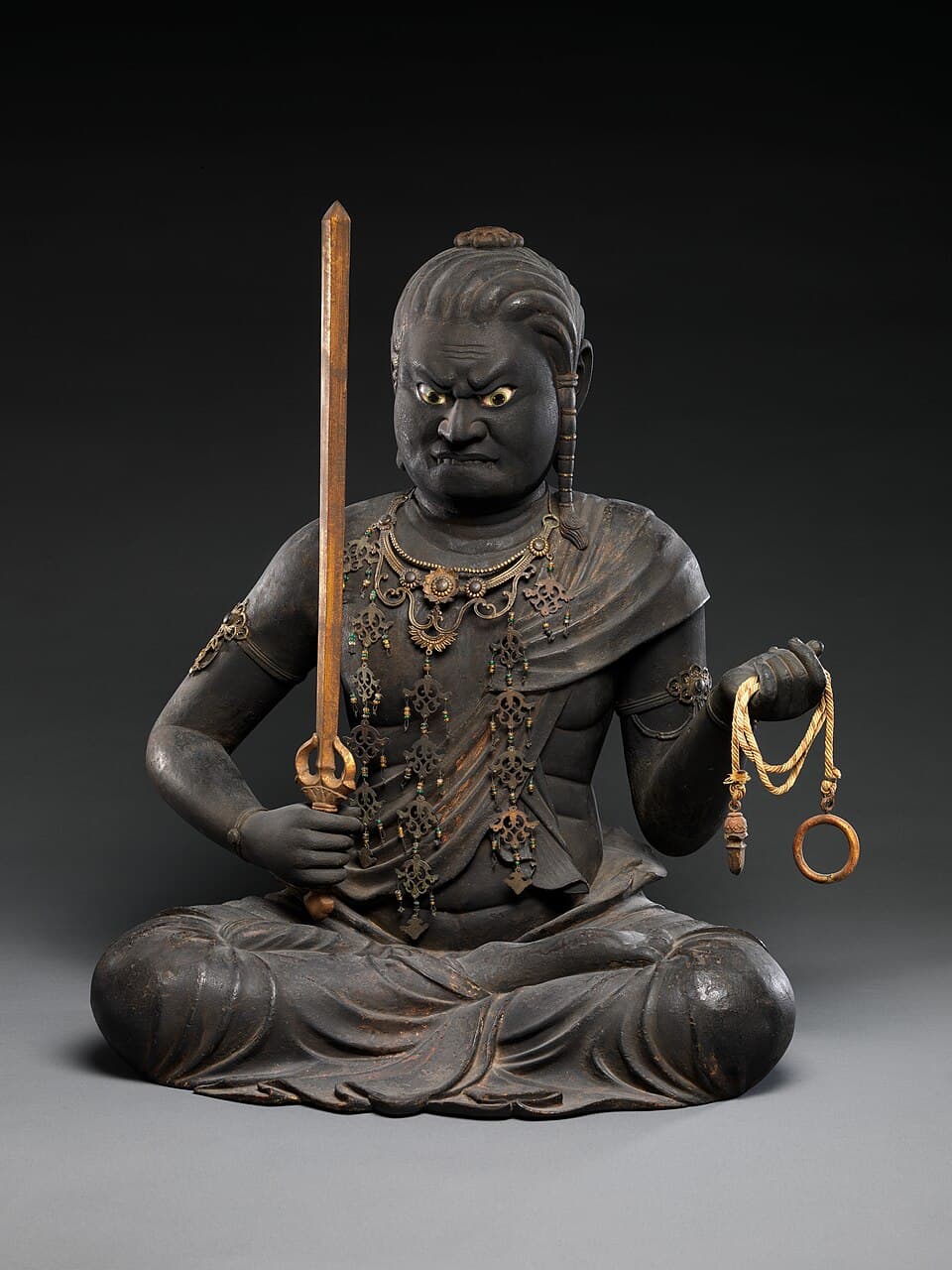
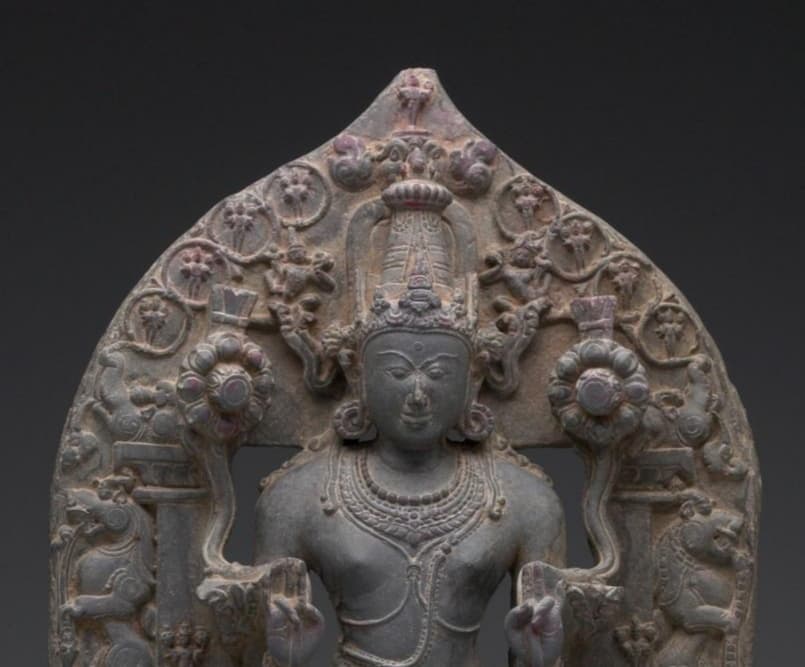
The 3rd Karmapa, Rangjung Dorje (1284–1339) was the 3rd Gyalwa Karmapa and head of the Karma Kagyu school, the largest s…
Read →
Research Index
An archive of 3,493 gods, deified rulers, and mythological figures across civilizations — from living gods of Egypt to the dying gods of antiquity.

Asia
The 3rd Karmapa, Rangjung Dorje (1284–1339) was the 3rd Gyalwa Karmapa and head of the Karma Kagyu school, the largest s…
Read →
Asia
The 969 Movement is a Buddhist nationalist organisation opposed to the perceived expansion of Islam in predominantly Bud…
Read →
Ancient Egypt
The word for baboon in ancient Egyptian was jꜥnr, with later variants such as jꜥnj and jꜥnꜥ, rendered in the obsolete Le…
Read →

Indian subcontinent
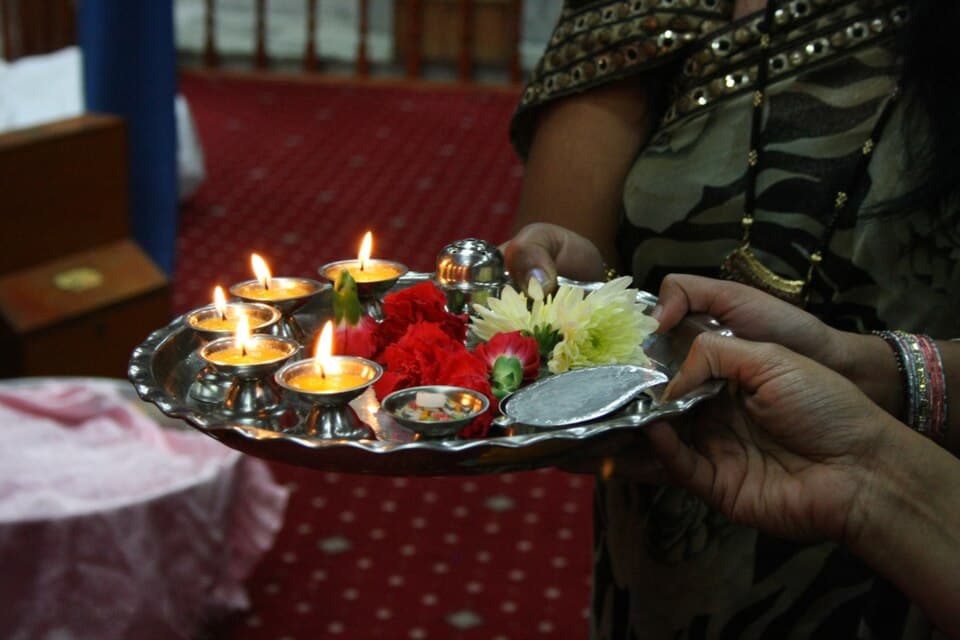
Arti or Arartikya is a Hindu ritual employed in worship, part of a puja, in which light from a flame is ritually waved t…
Read →
Ancient Egypt
Aaru, or the Field of Reeds, is the name for heavenly paradise in Egyptian mythology. Ruled over by Osiris, an Egyptian…
Read →
Ancient Egypt
Aati, also called Ati, meaning "a leper", was an Egyptian god and one of the 42 judges of the dead. Aati comes from Hel…
Read →
Ancient Persia
Apas is the Avestan language term for "the waters", which, in its innumerable aggregate states, is represented by the Ap…
Read →
Iron Age Europe
Abandinus was a Celtic god or male spirit worshipped at Godmanchester in Cambridgeshire during the Romano-Celtic period.
Read →
Iron Age Europe
In Irish mythology, Abarta, was in some accounts one of the Tuatha Dé Danann and in others a Fomorian, and is associated…
Read →
Ancient Egypt
Abaset is an ancient Egyptian hedgehog goddess, known to have been venerated at the capital, El-Bawiti, of the Bahariya …
Read →

Iron Age Europe
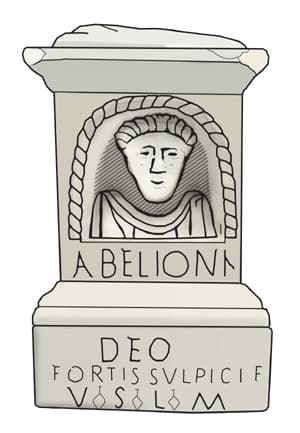
Abellio was a god worshiped in the Garonne Valley in Gallia Aquitania, known primarily by a number of inscriptions which…
Read →

Ancient Rome
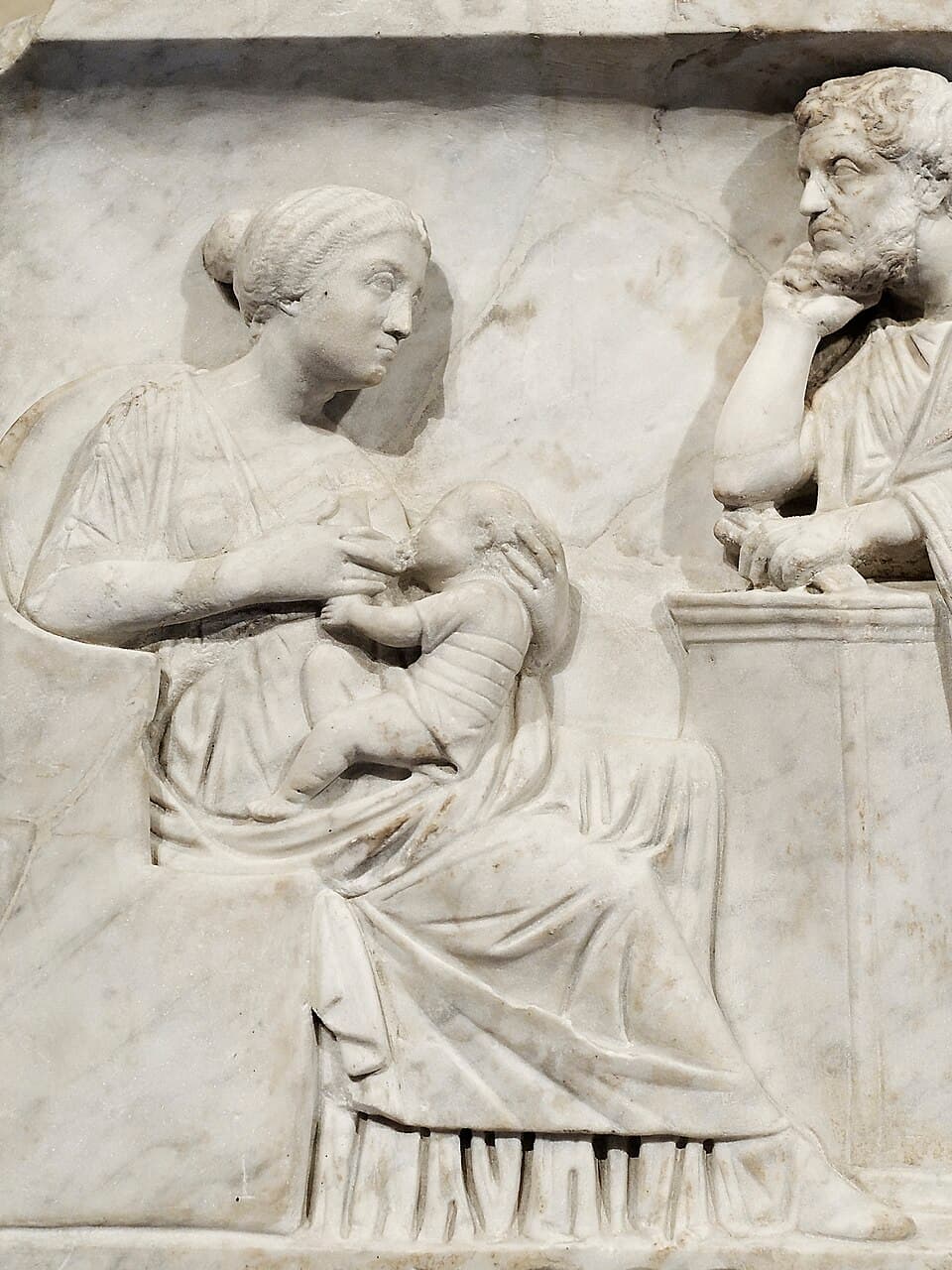
In ancient Roman religion, birth and childhood deities were thought to care for every aspect of conception, pregnancy, c…
Read →
Iron Age Europe
In Irish mythology, Abhean, son of Bec-Felmas, was a poet of the Tuatha Dé Danann, and in particular of Lugh. He was ki…
Read →

Indian subcontinent
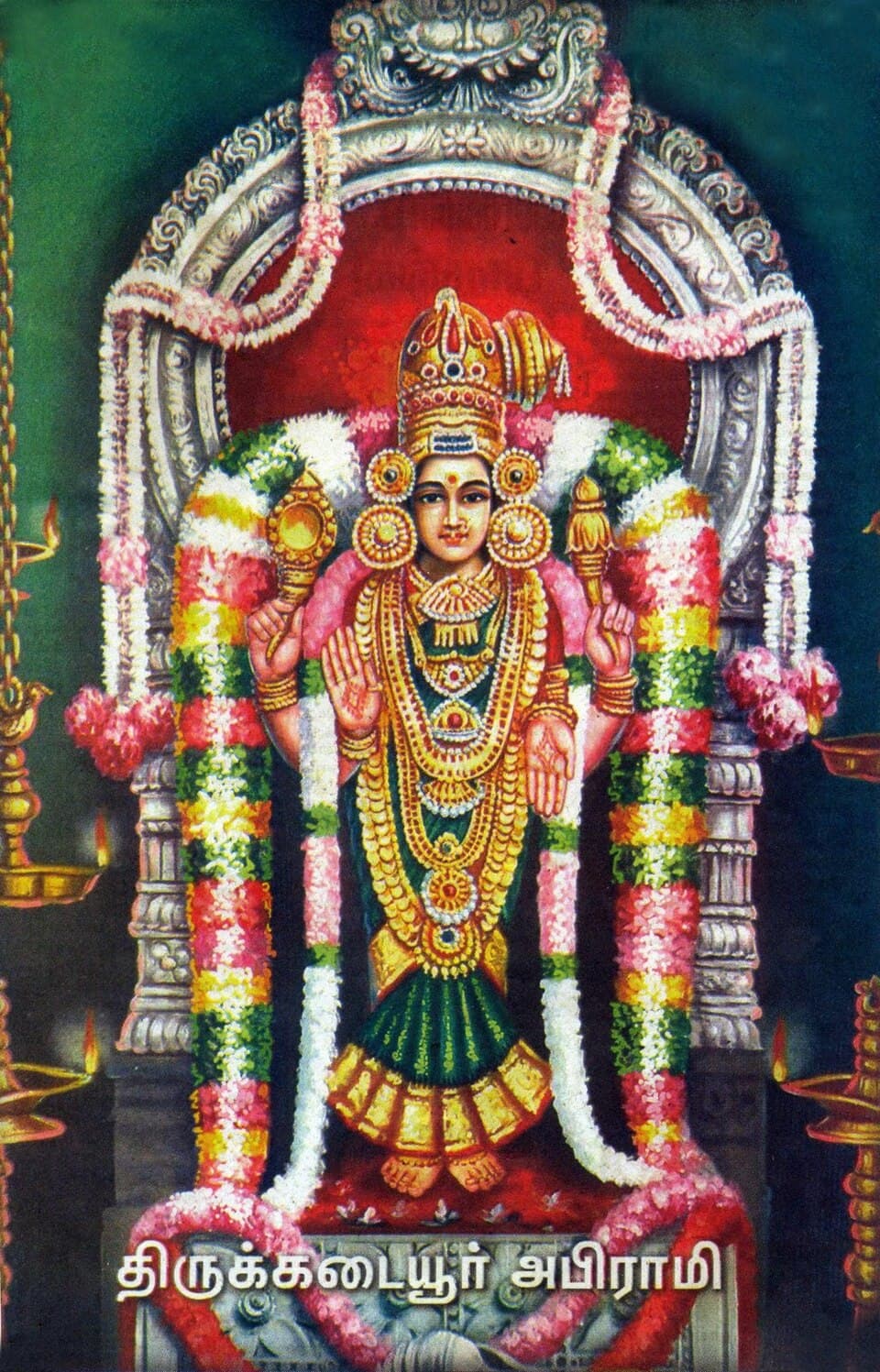
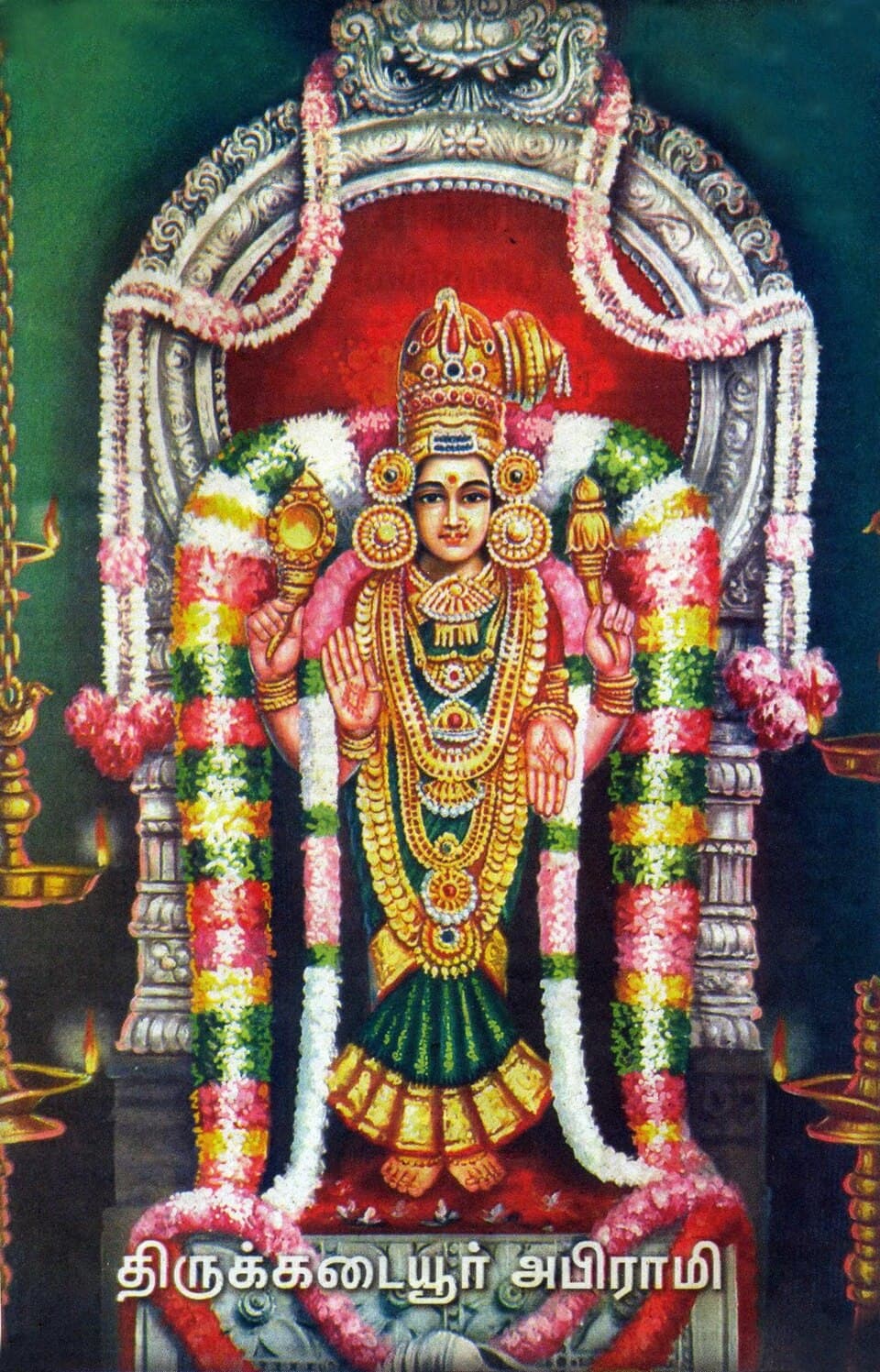
Abirami Antati is a Tamil collection of poems sung on goddess Abirami, a deity venerated in Thirukkadaiyur Amirtaghatesv…
Read →

Indian subcontinent
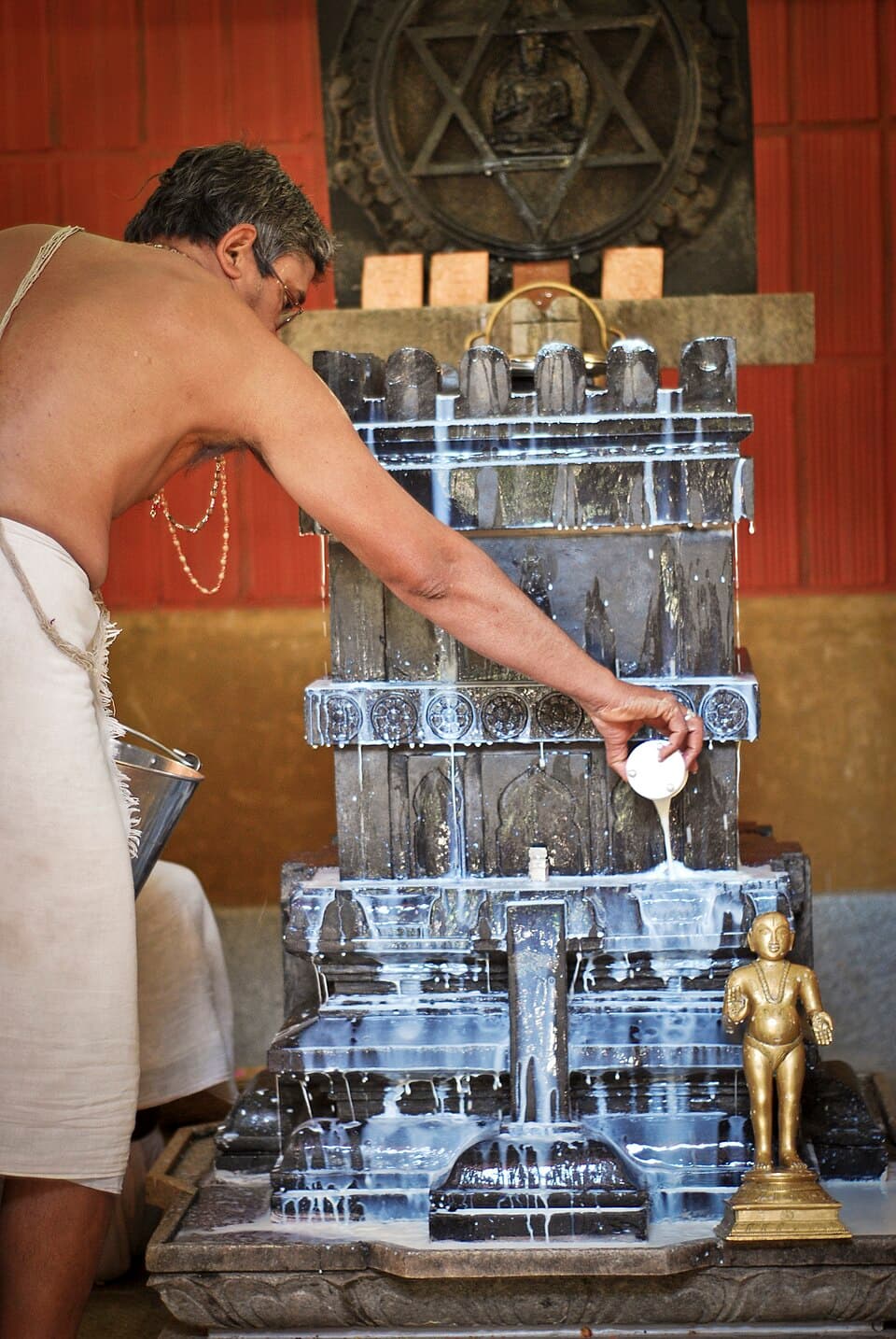
Abhishek is a religious rite or method of prayer in which a devotee pours a liquid offering on an image or murti of a de…
Read →
West Africa
Abiku is a Yoruba word that can be translated as "born to die" and refers to the spirit of a child who dies young. It i…
Read →

Indian subcontinent
Abirami Antati is a Tamil collection of poems sung on goddess Abirami, a deity venerated in Thirukkadaiyur Amirtaghatesv…
Read →

Iron Age Europe
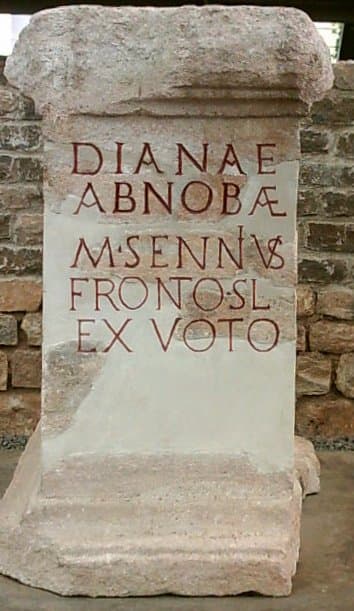
Abnoba is a name with theological and geographical meanings: It is the name of a Gaulish goddess who was worshiped in th…
Read →

Ancient Mesopotamia
Abu was a Mesopotamian god. His character is poorly understood, though it is assumed he might have been associated with…
Read →

Ancient Rome
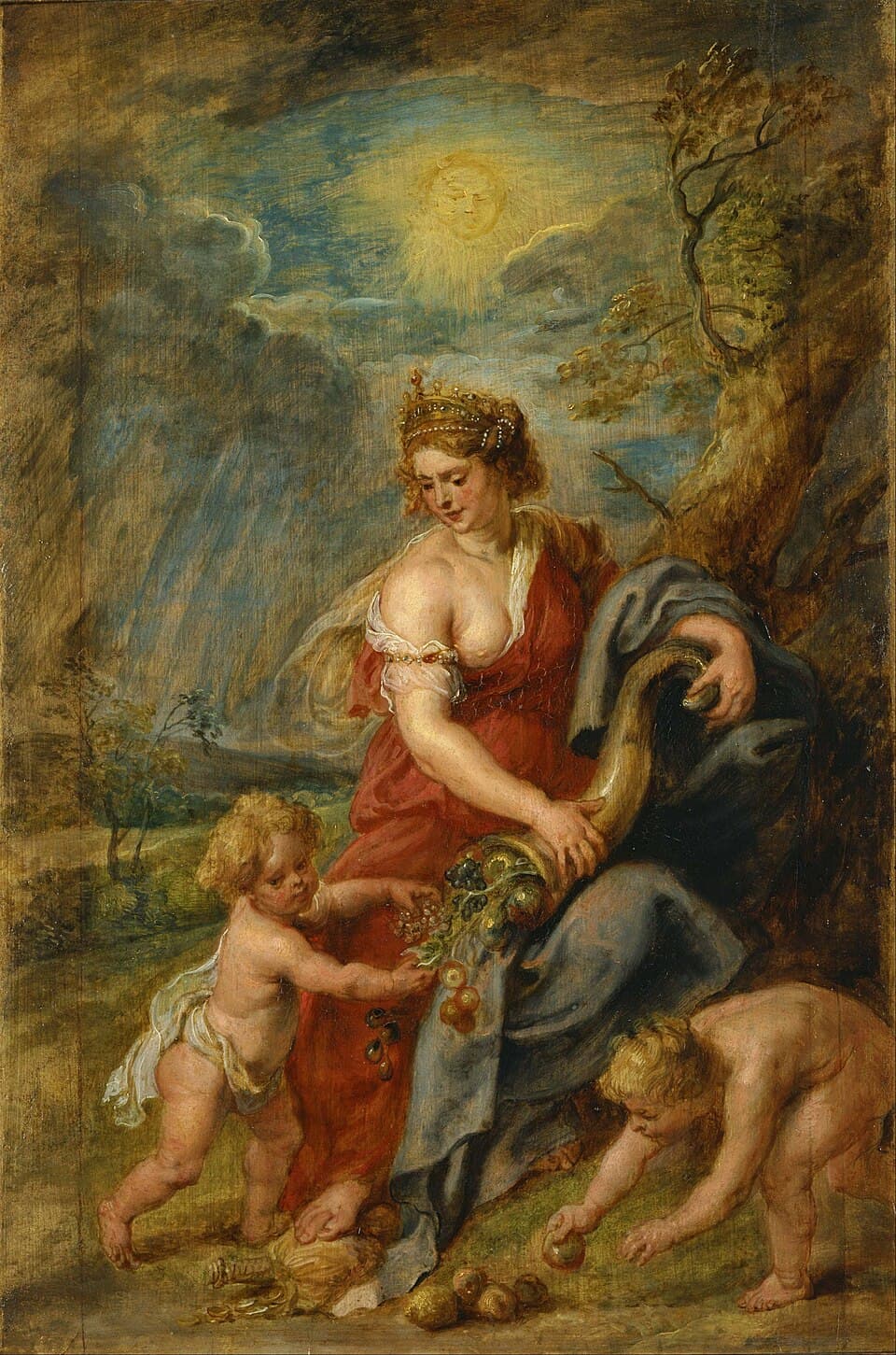
In ancient Roman religion, Abundantia, also called Copia, was a divine personification of abundance and prosperity; abun…
Read →

Ancient Mesopotamia
Abzû or Apsû is the name for fresh water from underground aquifers which was given a religious fertilising quality in an…
Read →

Indian subcontinent
Acala or Achala, also known as Acalanātha or Āryācalanātha, is a wrathful deity and dharmapala prominent in Vajrayana Bu…
Read →

Maya civilization
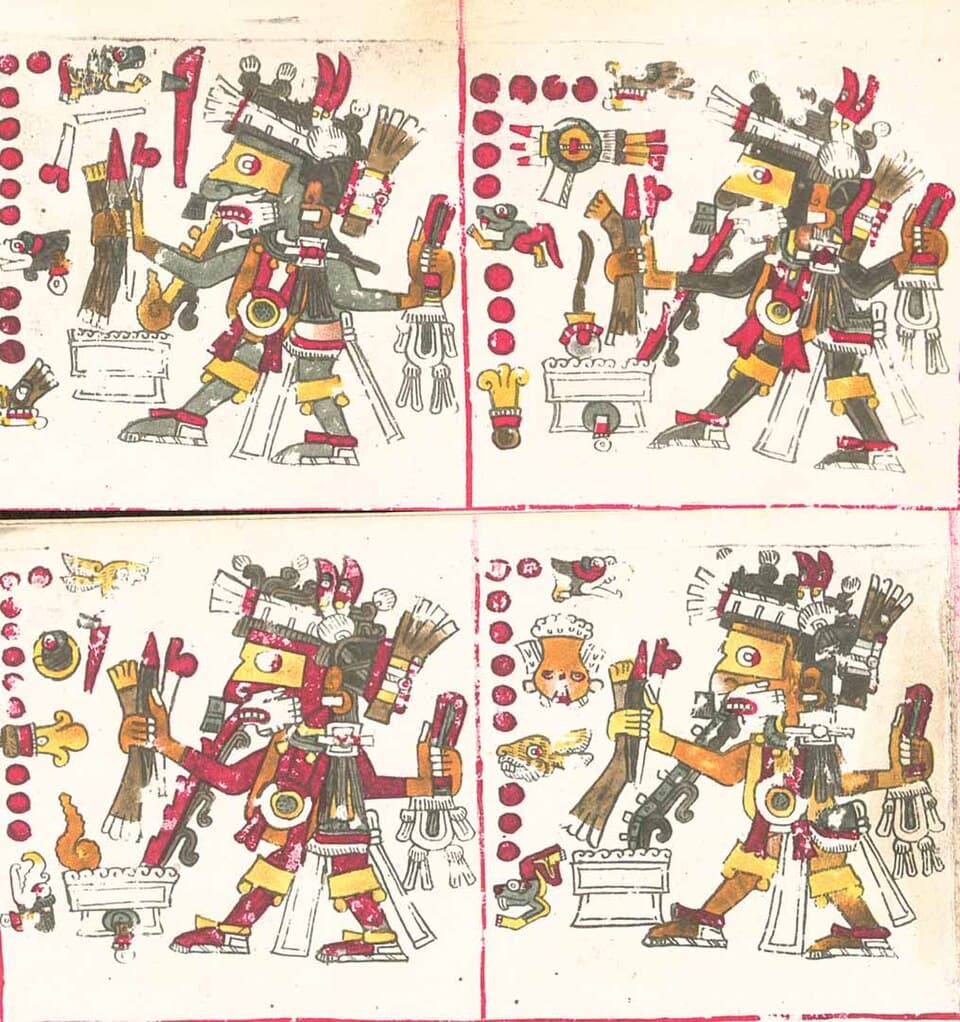
The Maya death gods known by a variety of names, are two basic types of death gods who are respectively represented by t…
Read →
Maya civilization
Acat was a deity in Maya mythology associated with the process of tattooing. The Maya placed great importance on the ta…
Read →

Ancient Rome
Acca Larentia or Acca Larentina was a mythical woman, later a goddess of fertility, in Roman mythology whose festival, t…
Read →

Ancient Greece
Aceso or Akeso was the Greek goddess of well-being and the healing process worshipped in Athens and Epidauros.
Read →
Ancient Greece
Achelous was the god in ancient Greek religion and mythology associated with the Achelous River, the largest river in Gr…
Read →
Ancient Greece
The Achelous, also Acheloos, is a river in Epirus, western Greece. It is 220 km (137 mi) long. It formed the boundary …
Read →

Ancient Greece
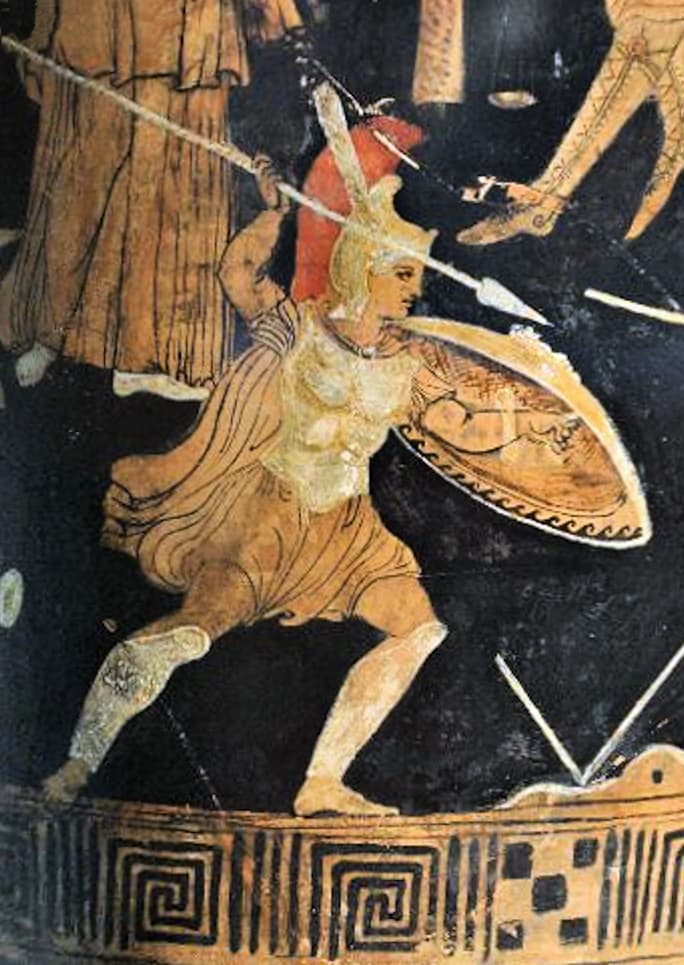
In Greek mythology, Achilles or Achilleus was a hero of the Trojan War who was known as being the greatest of all the Gr…
Read →
Indian subcontinent
Achintya-Bheda-Abheda is a school of Vedanta representing the philosophy of inconceivable one-ness and difference. In S…
Read →
Ancient Greece
Achlys, in the Hesiodic Shield of Heracles, is one of the figures depicted on Heracles' shield, perhaps representing the…
Read →
Iron Age Europe
In Irish mythology, Queen Achtland married one of the Tuatha Dé Danann who were the people of the goddess Danu.
Read →

Indian subcontinent
Achyuta is a Sanskrit epithet used in Hindu traditions - especially Vaishnava devotional traditions - to signify the div…
Read →
Indian subcontinent
Acintya, is a theological and symbolic concept in Indonesian Hinduism that expresses the ineffable nature a supreme divi…
Read →

Ancient Greece
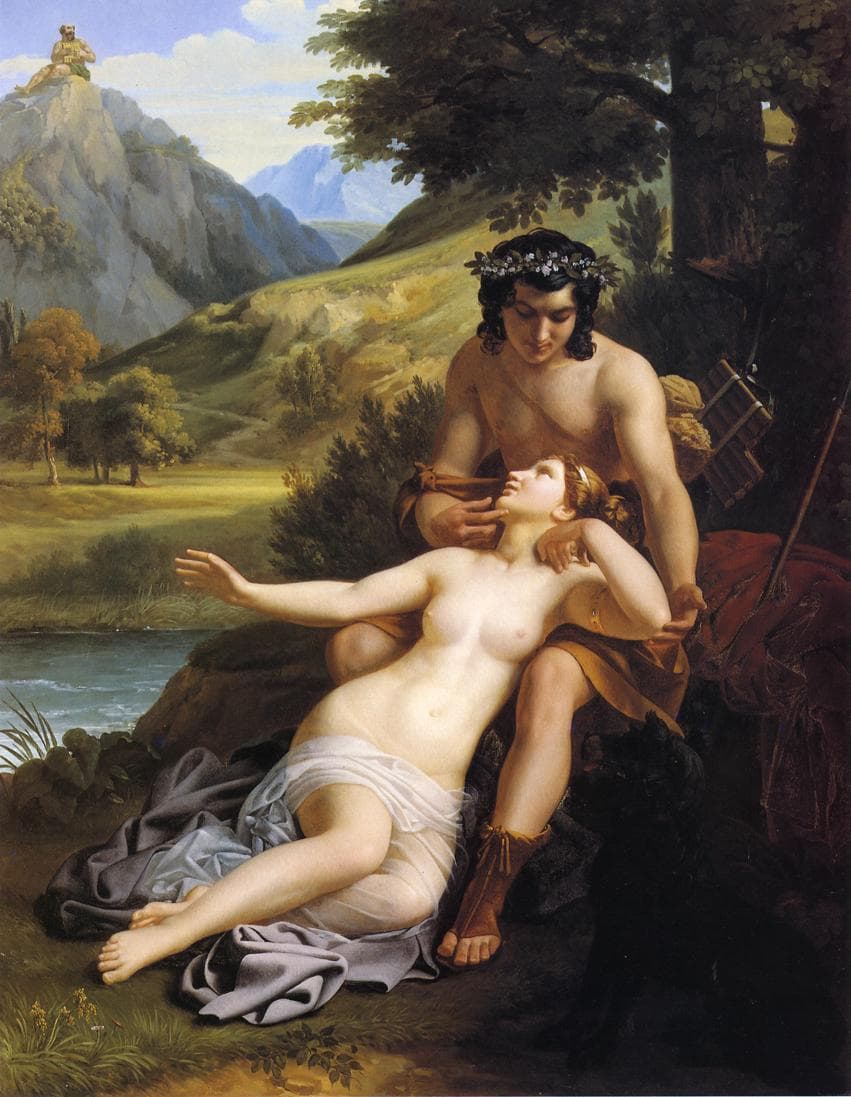
Acis and Galatea are characters from Greek mythology later associated together in Ovid's Metamorphoses. The episode tel…
Read →
Ancient Greece
In Greek mythology, Acmon is in some sources the father of Uranus, the personification of the sky, with no mother mentio…
Read →
Aztec Empire
Mictlāntēcutli or Mictlantecuhtli, in Aztec mythology, is a god of the dead and the king of Mictlan (Chicunauhmictlan), …
Read →
Ancient Greece
In Greek mythology, Acratopotes, the drinker of unmixed wine, was a hero worshiped in Munychia in Attica. According to …
Read →
Ancient Mesopotamia
Adab was an ancient Sumerian city between Girsu and Nippur, lying about 35 kilometers southeast of the latter. It was l…
Read →
Ancient Greece
Adephagia was a figure described as having a temple in Sicily. According to Claudius Aelianus's Varia Historia and a fr…
Read →
Ancient Greece
In Greek mythology, Adicia or Adikia was the goddess and personification of injustice and wrong-doing.
Read →

Indian subcontinent
Aditi is an important Vedic goddess in Hinduism.
Read →

Indian subcontinent
Adityas refers to a class of Hindu deities. They are usually presented as solar deities, and the offspring of the Godde…
Read →
Ancient Levant
Adon literally means "lord. " Adon has an uncertain etymology, although it is generally believed to be derived from the …
Read →

Ancient Greece
In Greek mythology, Adonis was the mortal lover of the goddesses Aphrodite and Persephone. He was considered to be the …
Read →

Ancient Mesopotamia
Adrammelech is an ancient Semitic god mentioned briefly by name in the Book of Kings, where he is described as a god of …
Read →

Ancient Rome
Adranus or Adranos was a fire god worshipped by the Sicels, an ancient population of the island of Sicily. His worship …
Read →
Ancient Greece
In ancient Greek religion and mythology, Adrasteia, also spelled Adrastia, Adrastea, Adrestia, Adrestea, Adastreia or Ad…
Read →
Iron Age Europe
In Celtic mythology, Adsullata was a river goddess of the Continental Celts associated with the River Savus (Sava) in No…
Read →

Ancient Greece
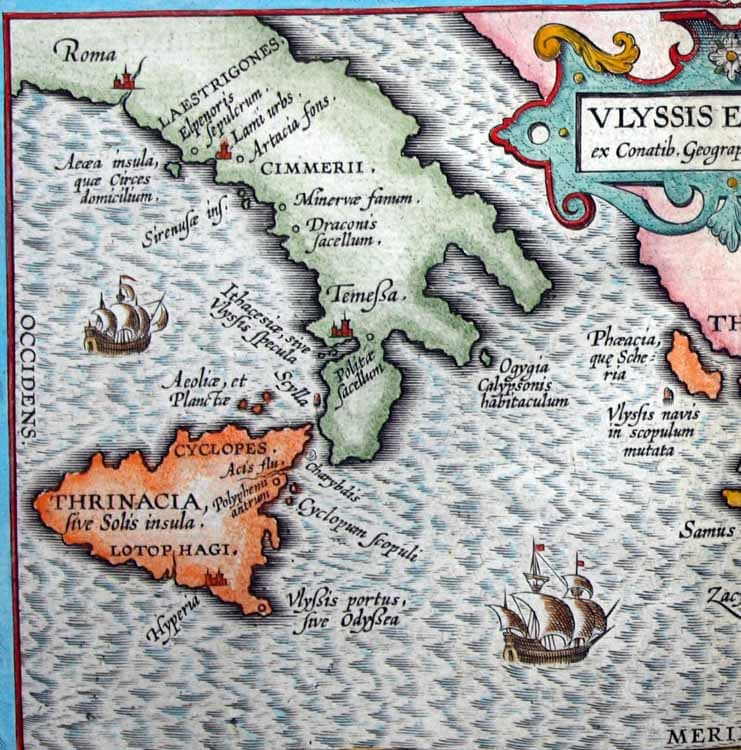
Aeaea, Ææa, Ææ̈ä or Eëä was a mythological island said to be the home of the goddess-sorceress Circe. "Circe would fain …
Read →
Iron Age Europe
Aed, or Aodh, is the prince of the Daoine Sidhe and a god of Irish mythology. He is known from inscriptions as the elde…
Read →
Ancient Greece
In Greek mythology, Aegiale was the mother of Alcyone by Aeolus, according to the mythographer Hyginus. In other accoun…
Read →

Ancient Greece
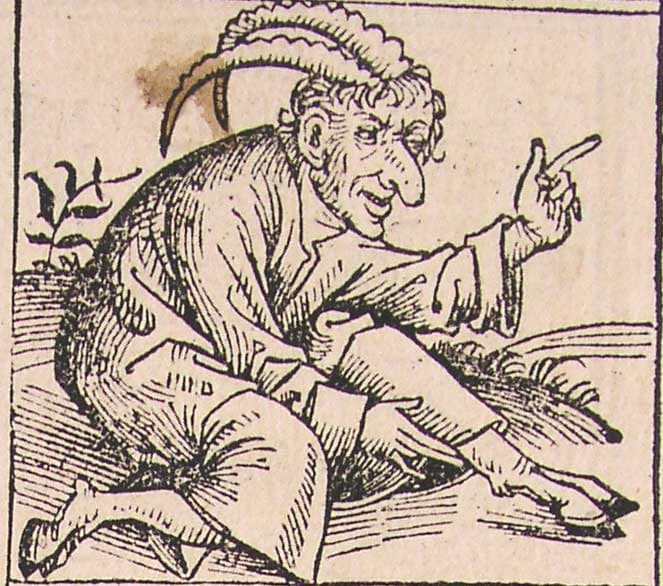
Aegipan was a mythological being, either distinct from or identical to Pan. His story appears to be of late origin.
Read →
Scandinavia
In Norse mythology, Ægir, Hlér, or Gymir, is a jötunn and personification of the sea. In the Old Norse record, Ægir hos…
Read →

Ancient Greece
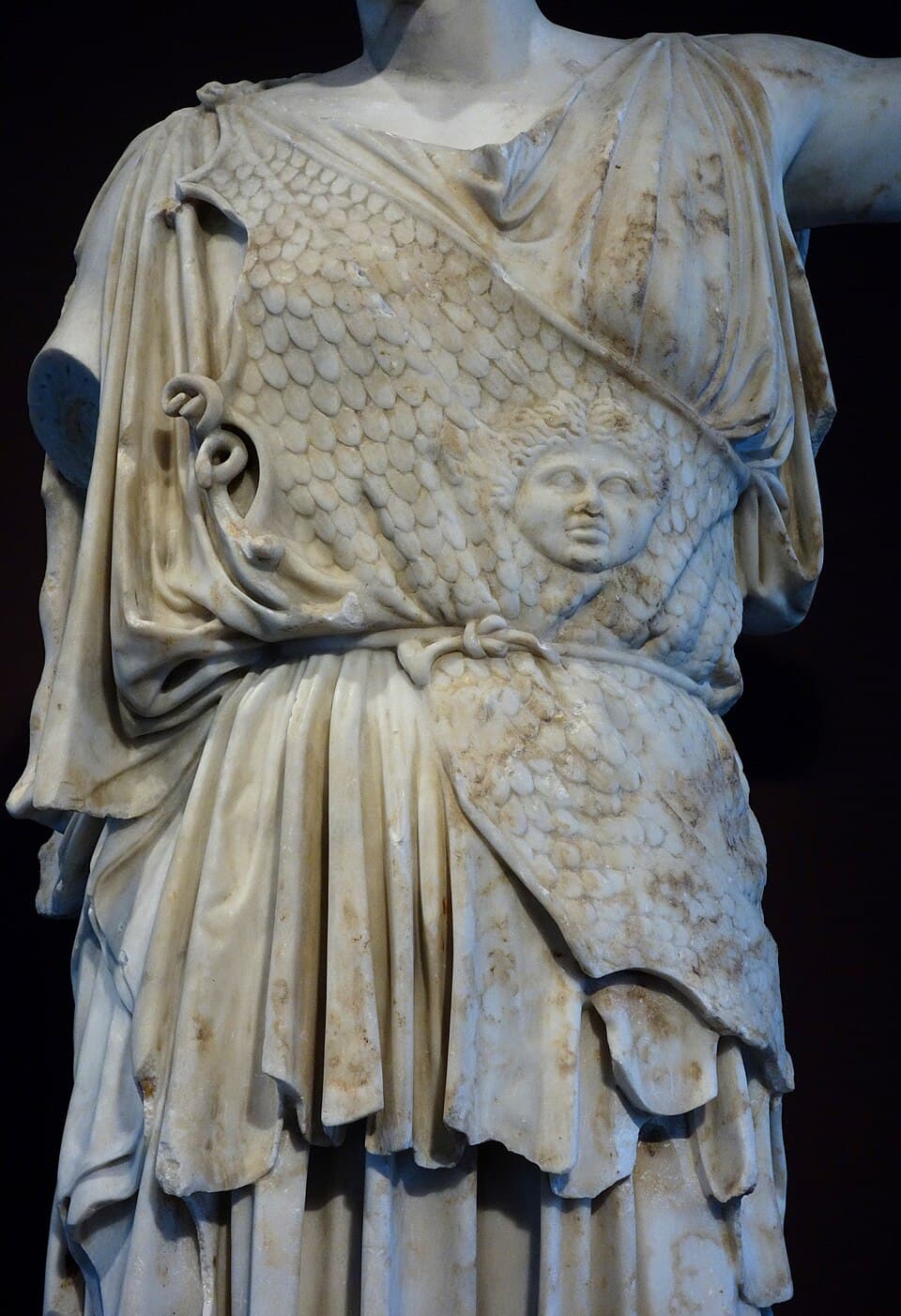
The aegis or egis, as stated in the Iliad, is a device carried by Athena and Zeus, variously interpreted as an animal sk…
Read →

Ancient Rome
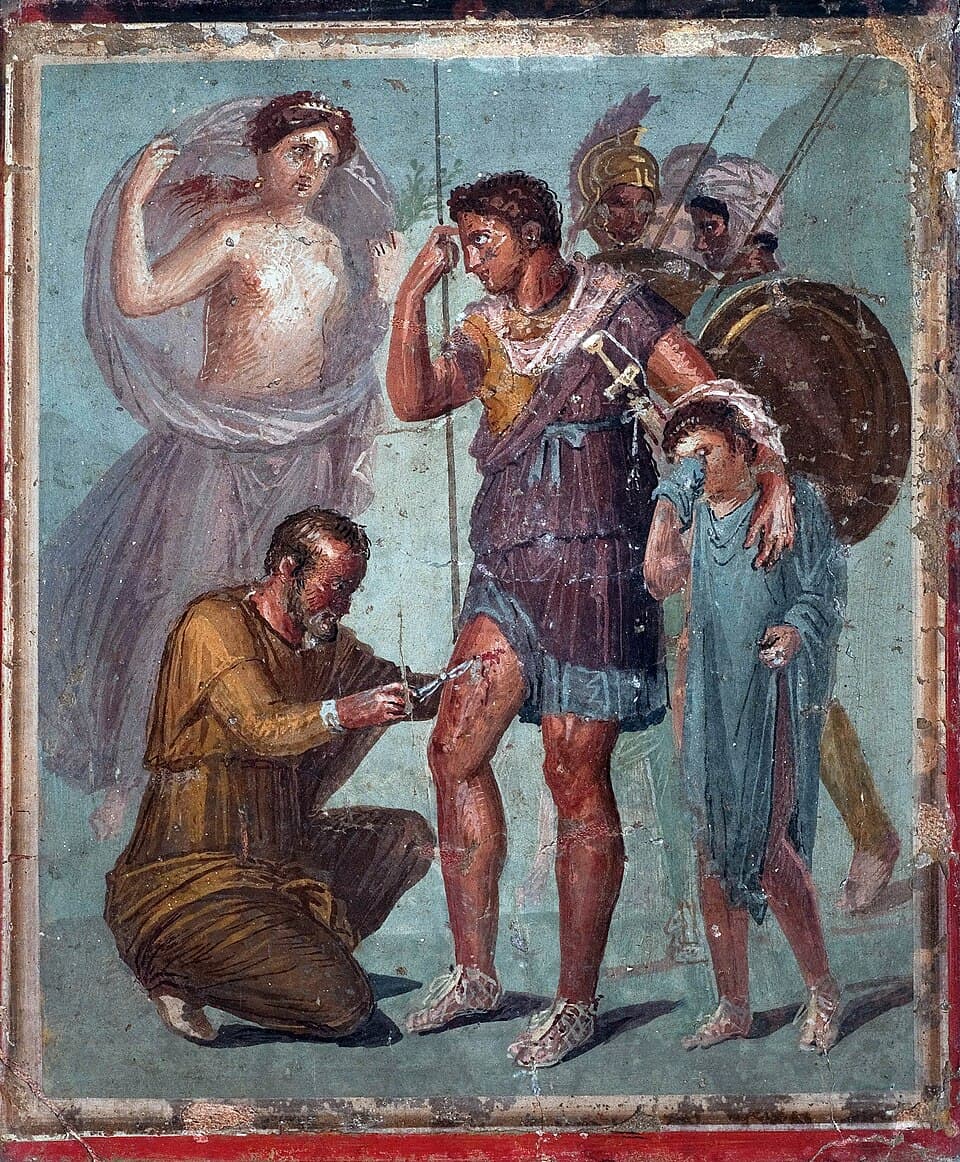
Aeneas was a Trojan hero in Greco-Roman mythology, the son of the Trojan prince Anchises and the Greek goddess Aphrodite…
Read →

Iron Age Europe
In Irish mythology, Aengus or Óengus is one of the Tuatha Dé Danann and probably originally a god associated with youth,…
Read →

Ancient Greece
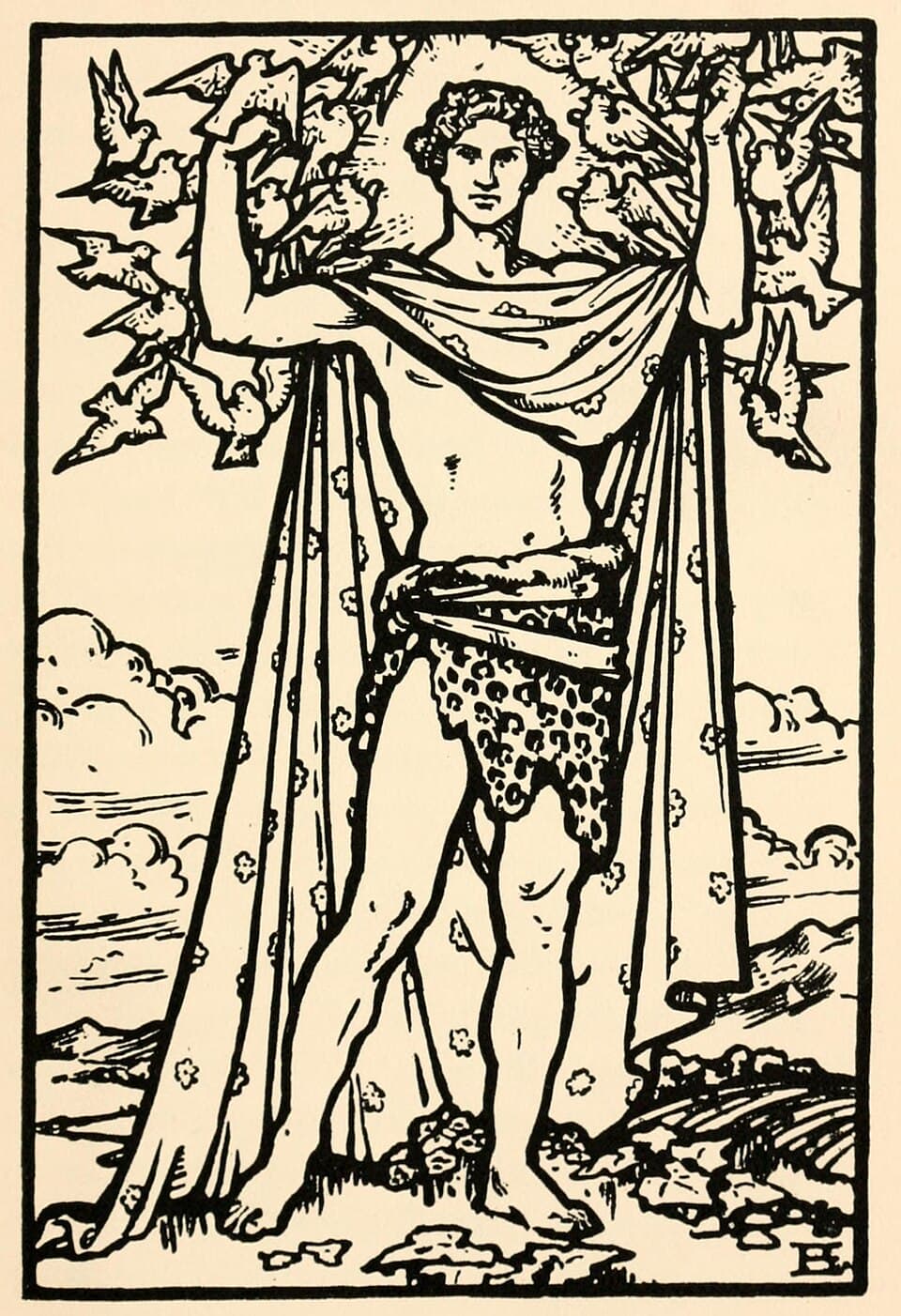
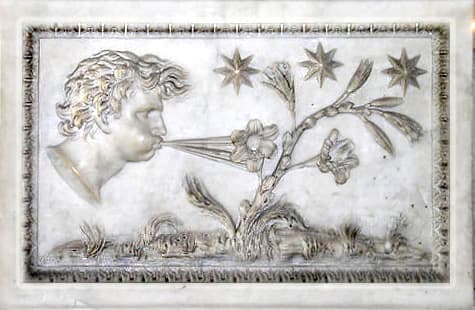
In Greek mythology, Aeolus, the son of Hippotes, was the ruler of the winds encountered by Odysseus in Homer's Odyssey. …
Read →

Ancient Rome
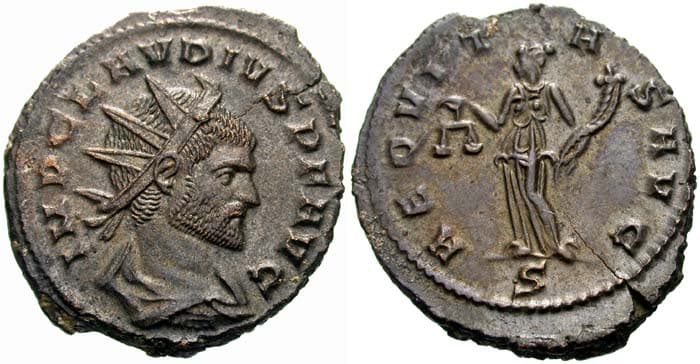
Aequitas is the Latin concept of justice, equality, conformity, symmetry, or fairness. It is the origin of the English …
Read →

Ancient Rome
Erecura or Aerecura was a goddess worshipped in ancient times, often thought to be Celtic in origin, mostly represented …
Read →
Ancient Greece
In Greek mythology, Aergia is the personification of sloth, idleness, indolence and laziness. She is the translation of…
Read →
Iron Age Europe
Aernus was a theonym used for a god in the Lusitanian and Gallaecian pantheons. The use of this theonym was confined to…
Read →

Ancient Rome
Asclepius is a hero and god of medicine in ancient Greek religion and mythology. He is the son of Apollo and Coronis, o…
Read →
Ancient Persia
Aeshma is the Younger Avestan name of Zoroastrianism's demon of "wrath". As a hypostatic entity, Aeshma is variously in…
Read →

Scandinavia
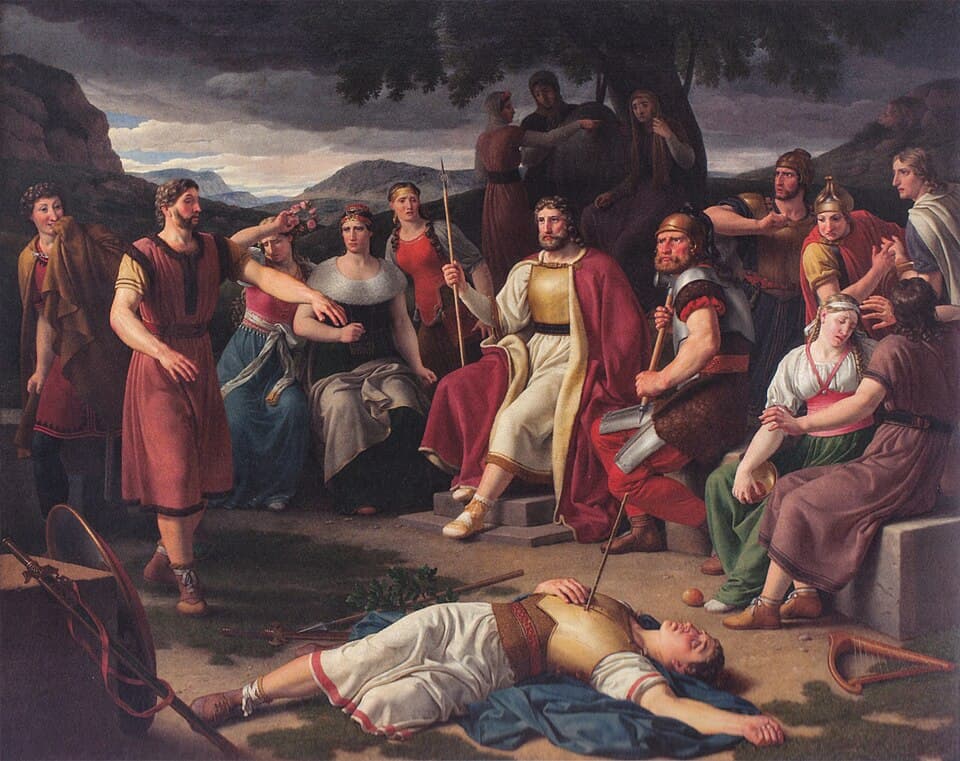
Æsir or ēse are gods in Germanic paganism. In Old Nordic religion and mythology, the precise meaning of the term Æsir i…
Read →

Scandinavia
In Norse mythology, the Æsir–Vanir War was a conflict between two groups of deities that ultimately resulted in the unif…
Read →

Scandinavia
In Norse mythology, the Æsir–Vanir War was a conflict between two groups of deities that ultimately resulted in the unif…
Read →

Ancient Rome
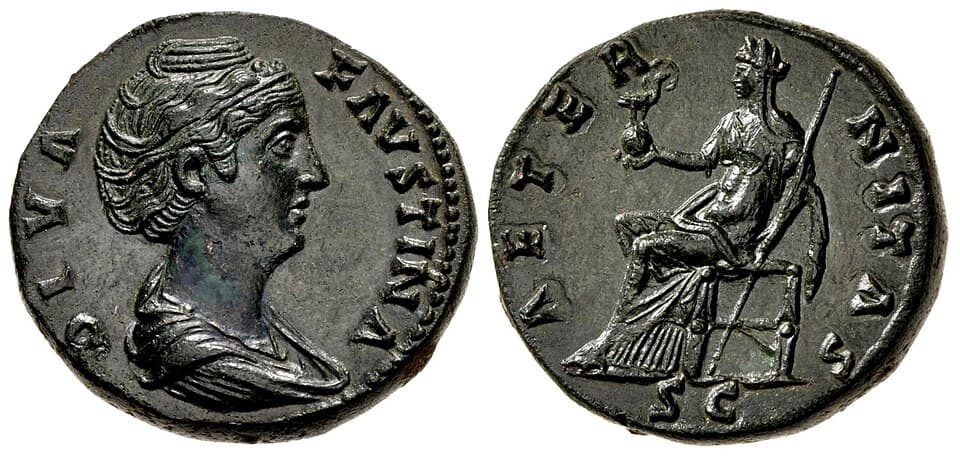
In ancient Roman religion, Aeternitas was the divine personification of eternity. She was particularly associated with …
Read →

Ancient Rome
In scholastic philosophy, the aevum is the temporal mode of existence experienced by angels and by the saints in heaven.…
Read →
Iron Age Europe
Afallach is a man's name found in several medieval Welsh genealogies, where he is made the son of Beli Mawr. According …
Read →
Iron Age Europe
The Afanc is a lake monster from Welsh mythology. Its exact description varies, being described as resembling a crocodi…
Read →

Ancient Rome
In numitheism and ancient Roman religion, Africa, was a goddess of fertility and abundance worshipped by the Berbers and…
Read →

North America
The afterlife or life after death is a speculation concerning existence after death, in which the essential part of an i…
Read →
Indian subcontinent
The Agamas are a collection of several Tantric literature and scriptures of Hindu schools. The term literally means tra…
Read →
West Africa
Aganjú is an Orisha in Yoruba religion and its descendant traditions in the Americas. He is a primordial deity associat…
Read →
Ancient Mesopotamia
Agasaya is a Semitic war goddess. Her name is thought to translate to "the shrieker", though there is no solid proof of…
Read →

Ancient Greece
Agathos Daimon originally was a lesser deity (daemon) of classical ancient Greek religion and Graeco-Egyptian religion. …
Read →

Ancient Greece
Agathos Daimon originally was a lesser deity (daemon) of classical ancient Greek religion and Graeco-Egyptian religion. …
Read →

Ancient Greece
In Greek mythology, Agave, was the daughter of Cadmus and a princess of Thebes. She is most well known for her role in …
Read →

Ancient Greece
Agdistis is a deity of Greek, Roman, and Anatolian mythology who was a hermaphrodite, having been born with both male an…
Read →

West Africa
In the Yoruba religion, Agẹmọ is a chameleon spirit that is the servant of Ọlọrun, the Supreme Being who created the Yor…
Read →

Ancient Greece
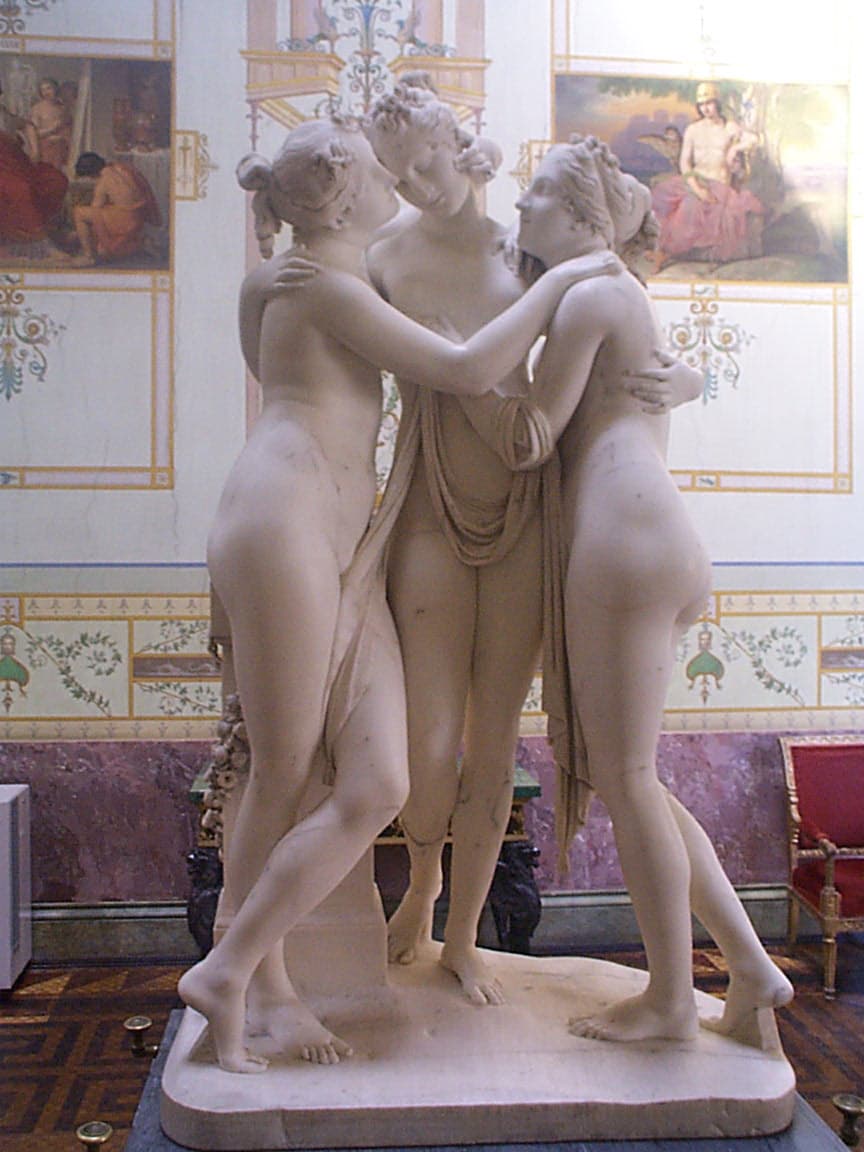
In Greek mythology, Aglaia, Aglaïa or Aglaea is a goddess, one of the Charites. She is the goddess of splendor, brillia…
Read →

Ancient Levant
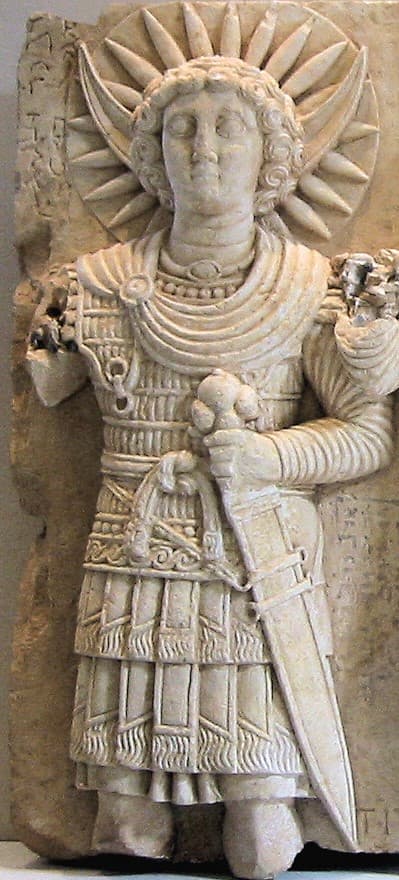
Aglibol is a god from Palmyra, originating from a people in what is now northwestern Syria. He is a moon god who was wo…
Read →
Indian subcontinent
Agneyi is mentioned in the Harivamsha and the Vishnu Purana as the wife of Ūru and the mother of the kings Anga, Sumanas…
Read →

Indian subcontinent
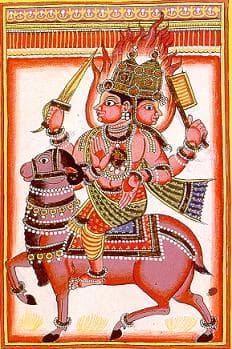
Agni is the Hindu god of fire. As the guardian deity of the southeast direction, he is typically found in southeast cor…
Read →

Ancient Persia
Agni Yoga or the Living Ethics, or the Teaching of Life, is a Neo-Theosophical religious doctrine transmitted by Helena …
Read →
Indian subcontinent
Agnosticism is a position that questions the existence of God or the divine. On a psychological level, it is a personal…
Read →
Ancient Persia
Agnosticism is a position that questions the existence of God or the divine. On a psychological level, it is a personal…
Read →
Ancient Greece
Agon is the Greek deity who personified conflict, struggle or contest. This could be a contest in athletics, in chariot…
Read →
Ancient Greece
In Greek mythology Agreus or Argeus and his brother Nomios are two of the Pans, creatures multiplied from the god Pan.
Read →
Iron Age Europe
*Agronā was a hypothetical reconstructed Proto-Celtic name for the River Ayr in Scotland, later applied to the River Aer…
Read →

Asia
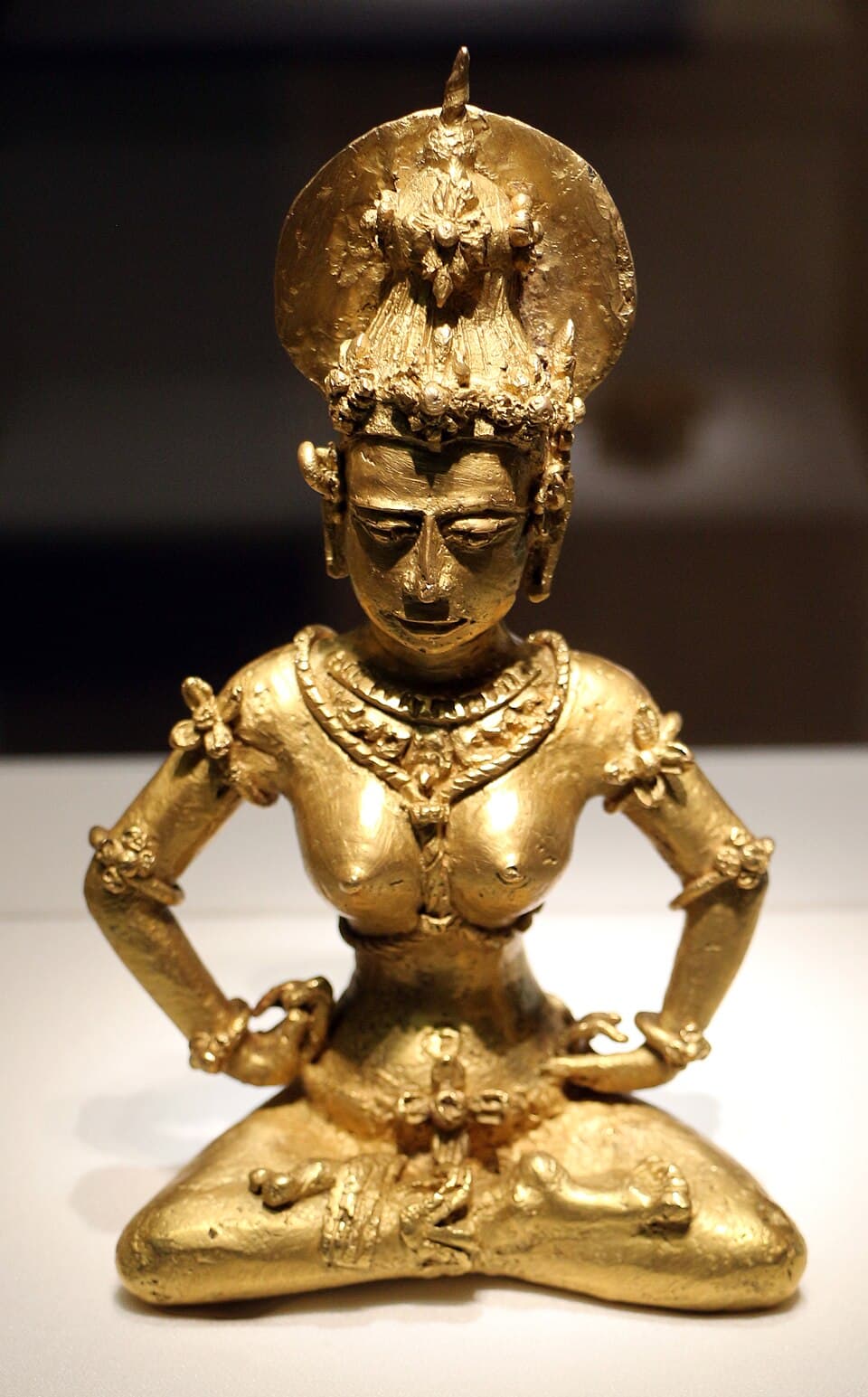
The Agusan image is a 2 kg (4. 4 lb), 21-karat gold statuette, found in 1917 on the banks of the Wawa River near Esperan…
Read →
Maya civilization
In Maya mythology, Ah Peku (pek-ku) was a god of thunder.
Read →

Maya civilization
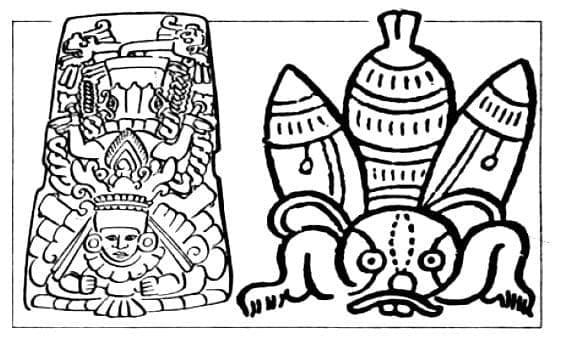
Ah Muzen Cab is the Maya god of bees and honey. He is possibly the same figure as "the Descending God" or "the Diving G…
Read →
Indian subcontinent
Ahmuvan has been suggested as the name of an Indus Valley Civilization deity. The deity is pictured on Indus Valley tab…
Read →

Ancient Persia
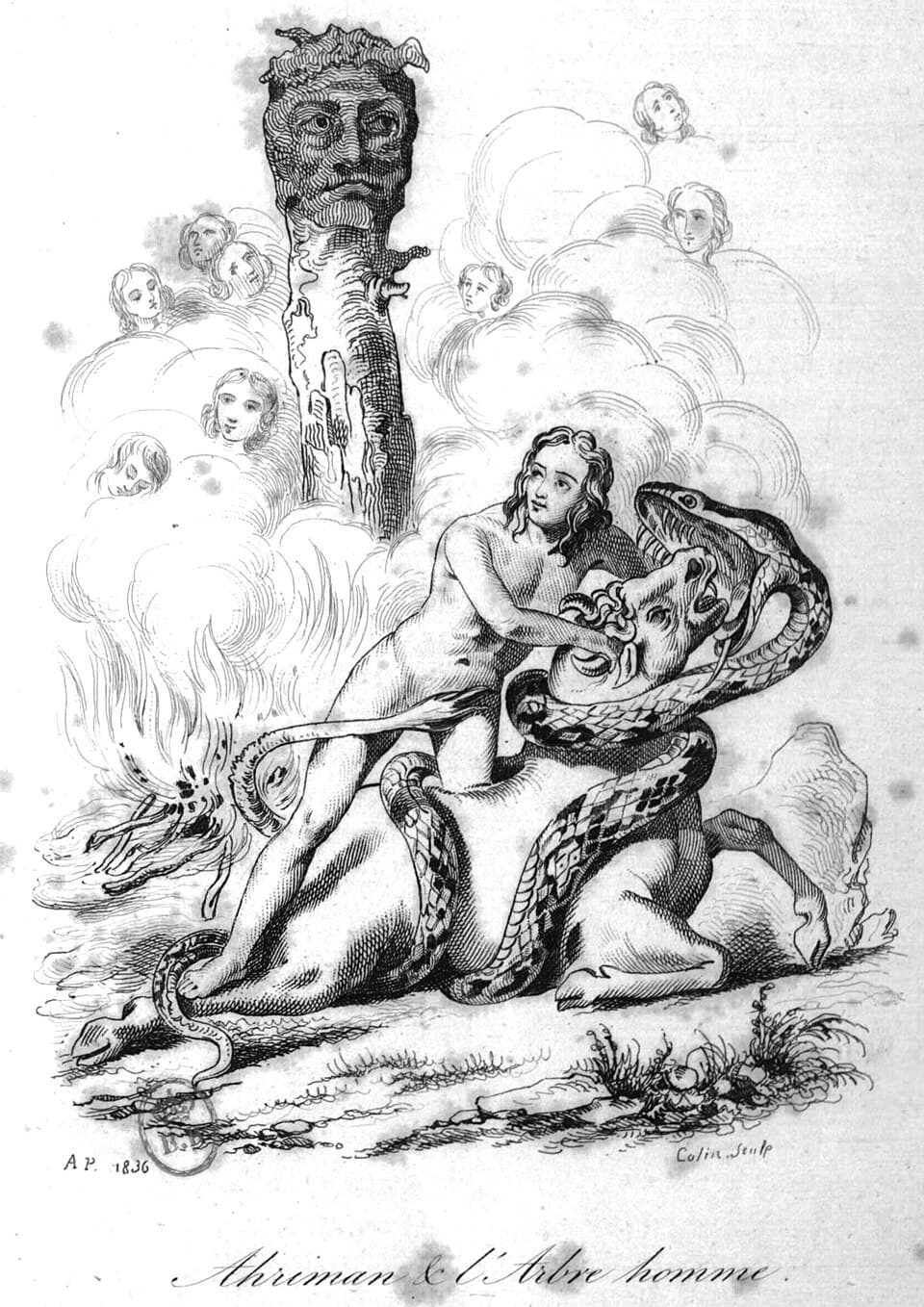
Angra Mainyu is the Avestan name of Zoroastrianism's hypostasis of the "destructive/evil spirit". Angra Mainyu function…
Read →

Aztec Empire
Āhuiatēteoh or Mācuīltōnalequeh were a group of five Aztec gods of excess and pleasure. They also represented the dange…
Read →
Ancient Persia
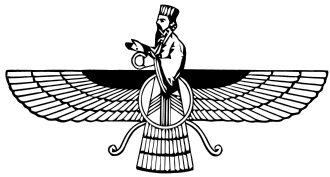
Ahura is an Avestan language designation of a type of deity inherited by Zoroastrianism from the prehistoric Indo-Irania…
Read →

Ancient Mesopotamia
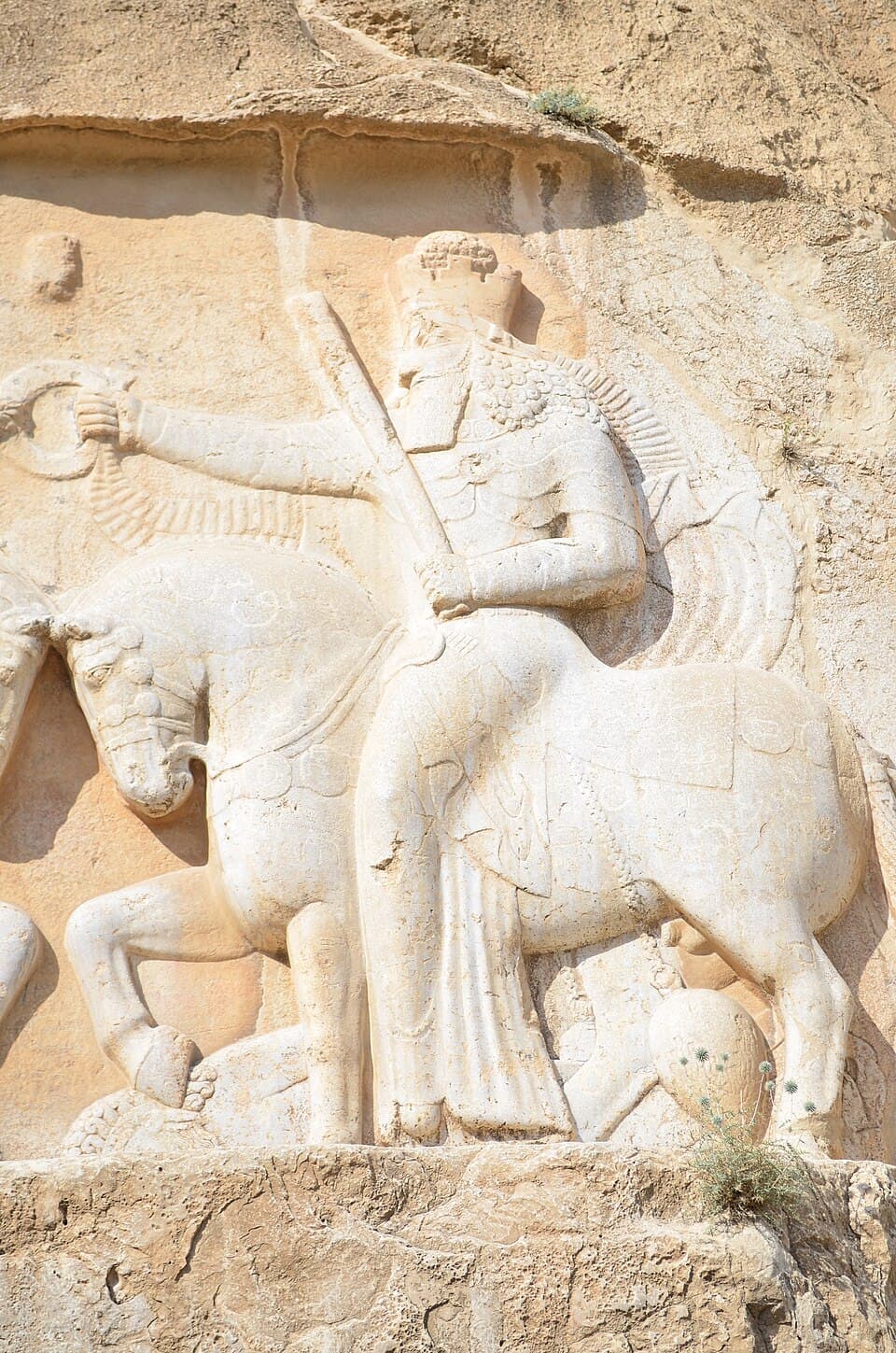
Ahura Mazda, also known as Ormazd and Horomazes, is the principal God and sky deity in Zoroastrianism. He is the first …
Read →

Ancient Persia
Ahura Mazda, also known as Ormazd and Horomazes, is the principal God and sky deity in Zoroastrianism. He is the first …
Read →
Iron Age Europe
In Irish legend, Aibell, also anglicised as Aeval or Eevill) was a Pre-Christian goddess from the Irish mythology of Mun…
Read →

Ancient Greece
Aidos or Aedos was the Greek personification of either shame or modesty. Aidos, as a quality, was that feeling of rever…
Read →
Iron Age Europe
In Irish mythology and genealogy, Aimend is the daughter of Óengus Bolg, king of the Dáirine or Corcu Loígde. She marri…
Read →

Ancient Greece
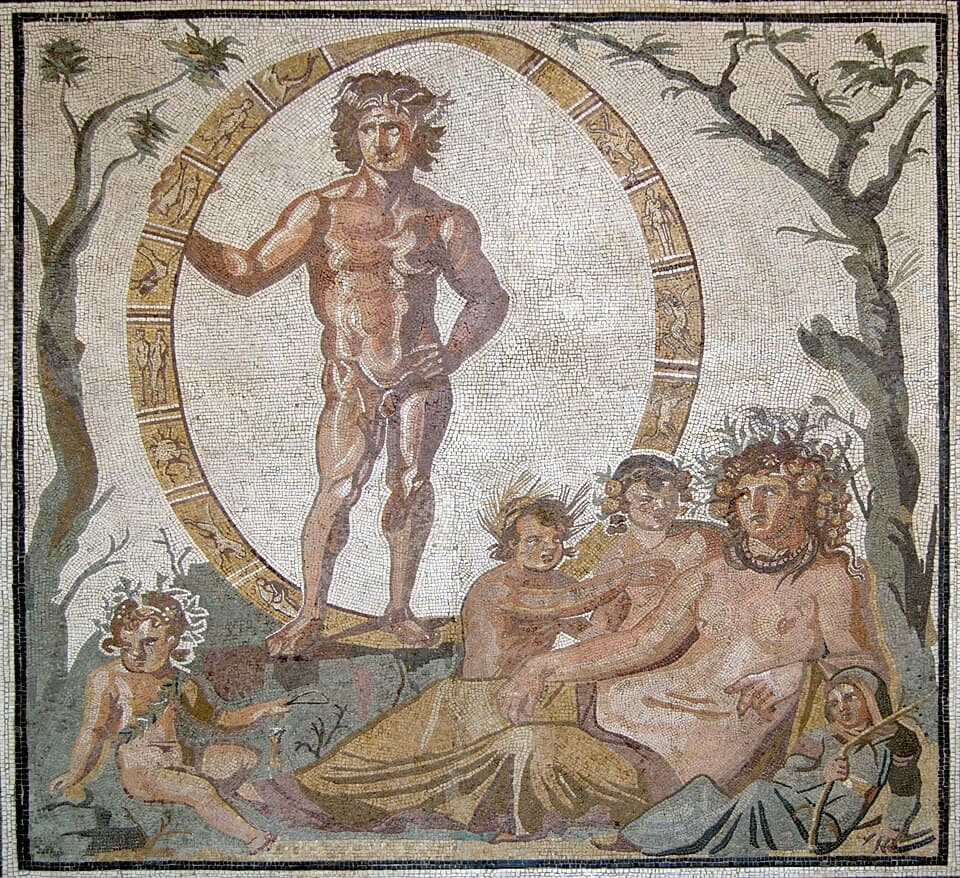
Aion is a Hellenistic deity associated with time, the orb or circle encompassing the universe, and the zodiac. The "tim…
Read →
Iron Age Europe
In Irish mythology, the goddess Airmed was one of the Tuatha Dé Danann. With her father Dian Cecht and brother Miach, s…
Read →
Ancient Persia
In the Avesta, airyaman is both an Avestan language common noun and the proper name of a Zoroastrian divinity.
Read →

Iron Age Europe
The aisling, or vision poem, is a mythopoeic poetic genre that developed during the late 17th and 18th centuries in Iris…
Read →

Ancient Rome
Aius Locutius, or Aius Loquens, was a Roman deity or numen associated with the Gallic invasions of Rome during the early…
Read →