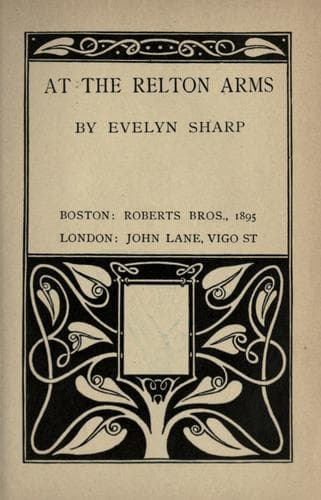
England -- Social life and customs -- 19th century -- Fiction
He was with Lady Joan for about two hours, and it was quite dark when he
left her house. They had reached that stage in their intercourse when
conversation is rather difficult, but companionship is a matter of
course. They did not discuss the arts now, nor the ethics of Socialism,
nor the position of woman. None of these things seemed to matter half so
much to them as his prospects of getting fresh pupils, or her choice of
a dining-room paper. And sometimes they did not speak at all, though
their silence was never an embarrassed one. This afternoon there had
been more than usual to talk about, for she had resolved to give up her
visions of philanthropy and was thinking of going abroad, and he had
been trying to dissuade her, purely in his character of adviser, without
letting her see that he hoped she would remain in London. He was
beginning to realize how much he liked coming to see her, and how great
a relief it was to escape from the people who had claims upon him, and
for whose bath-room pipes he was legally responsible, to some one who
had no claim upon him, and whose bath-room pipes were in consequence so
much pleasanter to superintend. And he walked down the doorsteps slowly,
with a feeling that he had not persuaded her to remain, and that he was
a fool not to have used the only methods of persuasion that he would
like to have used, and that might have gained his point. There was a
weary vista before him of endless letters to the plumber, of endless
commonplace conversations with his wife, of endless unfulfilled
ambitions, everything that chokes the energy of the artistic enthusiast
who has been married long enough to lose his first illusions, and not
long enough to learn to do without them. He was in the mood to be
exasperated by a triviality, and he swore beneath his breath when a man
with a beard stumbled against him in the portico.
"Digby!" shouted the man with the beard, in a voice that made the
passers-by stop and look.
The musician recoiled, and stammered something. He said afterwards that
the fateful truth flashed upon him in a second of time, but in reality
he stood there for some moments while the existence of the man before
him slowly worked its way to his brain. And with the realization of
Jack's existence came the realization of something he had been trying
for six months to hide from himself. Jack's return from the dead
meant--good heavens! what did it not mean to him now?
And to Joan also?
Public-domain text, read in full here on John Shaqi.
Reviews
Reviews
No reviews yet
Be the first to share your thoughts on this work.
Elsewhere in the archive
Join the Discussion
Join the discussion
Sign in to leave a comment or review.
Sign InorCreate an account