Bible -- Antiquities; Bible. Old Testament -- Evidences, authority, etc.
In the Egyptian Museum at Cairo, exhibit No. 1270, is a magnificent
anthropoid sarcophagus from the time of Psammetichus the Second. The
inscription on this sarcophagus confirms the statement that the
embalming process lasted seventy days and is a testimony of the honesty
of the undertaker in that he did not shorten the time for the extra
profit involved.
It is to the reverence for their dead that was manifested by all in
Egypt that we owe our present wealth of archeological material. The most
voluminous evidences for the accuracy of the Bible come to us from
burial sources. Very often the coverings of the corpse were inscribed
with verbose descriptions of the life, morals, and piety of the dead
individual.
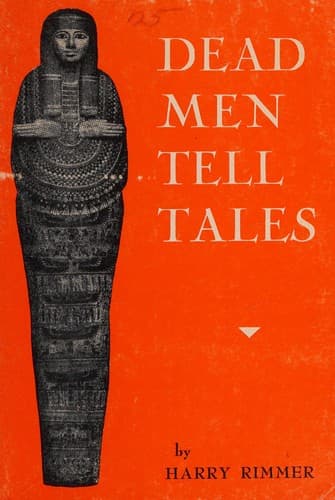
A further source of material is found on the cartonnage. When the body
had been encased in bandages a type of coffin was made that is called
mummiform or, more commonly, anthropoid. (See Frontispiece.) This first
covering was made of some plastic material, which was moulded to the
form of the individual to be buried. In the earlier days this cartonnage
was made of strips of linen cloth pasted together and covered with a
type of shellac. While still plastic, this material was moulded to the
contour of the head and shoulders of the occupant until it took on a
rough resemblance to the individual. This may have been the origin of
the death-mask custom which continues in some regions even to the
present time. In later times this first covering was gilded, and, in the
case of the very rich, might be decorated also with eyes of obsidian or
lapis lazuli.
In later periods, the cartonnage was made of outmoded papyri. These were
dampened and moulded into a mulch like the method of using papier-mache
in our generation. In so doing, however, the writing was not demolished.
Some of the greatest discoveries of antiquity have come to us when a
cartonnage made of papyrus has been carefully separated into its
original sheets and the writing thereof recovered.
When the mummy was enclosed in its cartonnage, a wooden coffin was then
prepared, which quite frequently was also anthropoid in shape. (See
Plate 11.) Not only did it maintain the form of the human body, but very
often it had also a painted portrait of the dead person to identify the
deceased. This wooden coffin was painted and inscribed on the inside and
the outside with a record and history of the individual, to which were
added scenes and texts from the Book of the Dead. (See Plate 12.) This
second coffin was not always made of wood, however. In the case of
Tut-ankh-amen, the coffin was of solid gold, and constituted a
tremendous treasure in itself. This was possible only to a monarch or a
noble of enormous wealth.
Public-domain text, read in full here on John Shaqi.
Reviews
Reviews
No reviews yet
Be the first to share your thoughts on this work.
Elsewhere in the archive
Join the Discussion
Join the discussion
Sign in to leave a comment or review.
Sign InorCreate an account