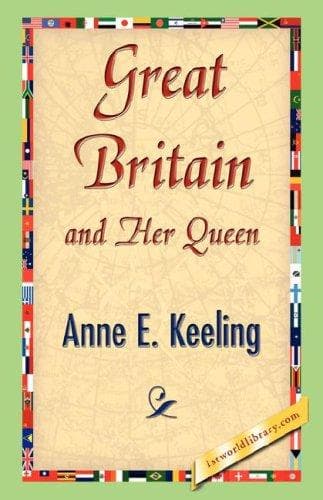
Great Britain -- History -- 19th century; Victoria, Queen of Great Britain, 1819-1901
"Lord Canning will easily believe how entirely the Queen shares his
feelings of sorrow and indignation at the unchristian spirit, shown,
alas! also to a great extent here by the public, towards Indians in
general, and towards Sepoys _without discrimination!_ It is, however,
not likely to last, and comes from the horror produced by the
unspeakable atrocities perpetrated against the innocent women and
children, which make one's blood run cold and one's heart bleed! For
the perpetrators of these awful horrors no punishment can be severe
enough; and sad as it is, _stern_ justice must be dealt out to all
the guilty.
"But to the nation at large, to the peaceable inhabitants, to the
many kind and friendly natives who have assisted us, sheltered the
fugitive, and been faithful and true, there should be shown the
greatest kindness. They should know that there is no hatred to a
brown skin--none; but the greatest wish on their Queen's part to see
them happy, contented, and flourishing."
These words well became the sovereign who, by serious and cogent
argument, had succeeded in inducing her Ministers to strike strongly
and quickly on the side of law and order, they having been at first
inclined to adopt a "step-by-step" policy as to sending out aid,
which would not have been very grateful to the hard-pressed
authorities in India; while the Queen and the Prince shared Lord
Canning's opinion, that "nothing but a long continued manifestation
of England's might before the eyes of the whole Indian empire,
evinced by the presence of such an English force as should make the
thought of opposition hopeless, would re-establish confidence in her
strength."
The necessary manifestation of strength was made; the reputation of
England--so rudely shaken, not only in the opinion of ignorant
Hindoos, but in that of her European rivals--was re-established
fully, and indeed gained by the power she had shown to cope with an
unparalleled emergency. The counsels of vengeance were set aside, in
spite of the obloquy which for a time was heaped on the true wisdom
which rejected them. We did not "dethrone Christ to set up Moloch";
had we been guilty of that sanguinary folly, England and India might
yet be ruing that year's doing. On the contrary, certain changes
which did ensue in direct consequence of the Mutiny were productive
of undoubted good.
Public-domain text, read in full here on John Shaqi.
Reviews
Reviews
No reviews yet
Be the first to share your thoughts on this work.
Elsewhere in the archive
Join the Discussion
Join the discussion
Sign in to leave a comment or review.
Sign InorCreate an account