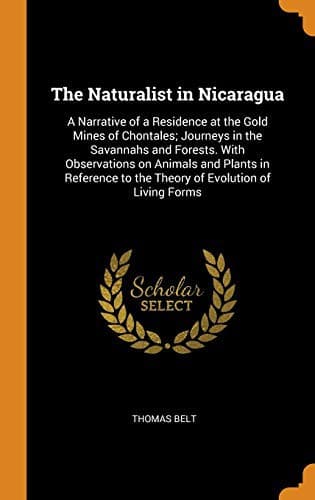
Natural history -- Nicaragua; Nicaragua -- Description and travel
islands to the southwards, from Venezuela.
In Central America, the bread made from the maize is prepared at
the present day exactly as it was in ancient Mexico. The grain is
first of all boiled along with wood ashes or a little lime; the
alkali loosens the outer skin of the grain, and this is rubbed off
with the hands in running water, a little of it at a time, placed
upon a slightly concave stone, called a metlate, from the Aztec
metlatl, on which it is rubbed with another stone shaped like a
rolling-pin. A little water is thrown on it as it is bruised, and
it is thus formed into paste. A ball of the paste is taken and
flattened out between the hands into a cake about ten inches
diameter and three-sixteenths of an inch thick, which is baked on a
slightly concave earthenware pan. The cakes so made are called
tortillas, and are very nutritious. When travelling, I preferred
them myself to bread made from wheaten flour. When well made and
eaten warm, they are very palatable.
There are a few small sugar plantations near Pital. The juice is
pressed out of the canes by rude wooden rollers set upright in
threes, the centre one driving the one on each side of it by
projecting cogs. The whole are set in motion by oxen travelling
round the same as in a thrashing-mill. The ungreased axles of the
rollers, squeaking and screeching like a score of tormented pigs,
generally inform the traveller of their vicinity long before he
reaches them. The juice is boiled, and an impure sugar made from
it. I do not think that the sugar-cane was known to the ancient
inhabitants of the country: it is not mentioned by the historians
of the conquest of Mexico and Peru, nor has it, like maize and
cacao, any native name.
Public-domain text, read in full here on John Shaqi.
Reviews
Reviews
No reviews yet
Be the first to share your thoughts on this work.
Elsewhere in the archive
Join the Discussion
Join the discussion
Sign in to leave a comment or review.
Sign InorCreate an account