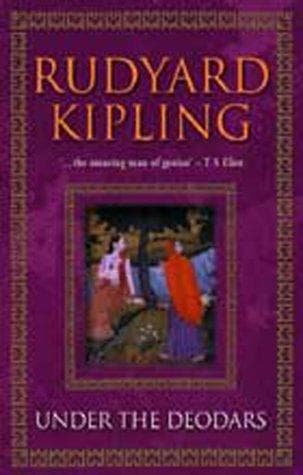
India -- History -- British occupation, 1765-1947 -- Fiction; Short stories, English
“Well, what’s the matter with this country is not in the least
political, but an all round entanglement of physical, social, and moral
evils and corruptions, all more or less due to the unnatural treatment
of women. You can’t gather figs from thistles, and so long as the system
of infant marriage, the prohibition of the remarriage of widows,
the lifelong imprisonment of wives and mothers in a worse than penal
confinement, and the withholding from them of any kind of education
or treatment as rational beings continues, the country can’t advance a
step. Half of it is morally dead, and worse than dead, and that’s just
the half from which we have a right to look for the best impulses. It’s
right here where the trouble is, and not in any political considerations
whatsoever.”
“But do they marry so early?” said Pagett, vaguely.
“The average age is seven, but thousands are married still earlier. One
result is that girls of twelve and thirteen have to bear the burden
of wifehood and motherhood, and, as might be expected, the rate of
mortality both for mothers and children is terrible. Pauperism,
domestic unhappiness, and a low state of health are only a few of the
consequences of this. Then, when, as frequently happens, the boy-husband
dies prematurely, his widow is condemned to worse than death. She
may not re-marry, must live a secluded and despised life, a life so
unnatural that she sometimes prefers suicide; more often she goes
astray. You don’t know in England what such words as ‘infant-marriage,
baby-wife, girl-mother, and virgin-widow’ mean; but they mean
unspeakable horrors here.”
“Well, but the advanced political party here will surely make it their
business to advocate social reforms as well as political ones,” said
Pagett.
“Very surely they will do no such thing,” said the lady doctor,
emphatically. “I wish I could make you understand. Why, even of the
funds devoted to the Marchioness of Dufferin’s organization for medical
aid to the women of India, it was said in print and in speech, that they
would be better spent on more college scholarships for men. And in
all the advanced parties’ talk-God forgive them--and in all their
programmes, they carefully avoid all such subjects. They will talk about
the protection of the cow, for that’s an ancient superstition--they
can all understand that; but the protection of the women is a new and
dangerous idea.” She turned to Pagett impulsively:
“You are a member of the English Parliament. Can you do nothing? The
foundations of their life are rotten-utterly and bestially rotten.
I could tell your wife things that I couldn’t tell you. I know the
life--the inner life that belongs to the native, and I know nothing
else; and believe me you might as well try to grow golden-rod in a
mushroom-pit as to make anything of a people that are born and reared as
these--these things’re. The men talk of their rights and privileges. I
have seen the women that bear these very men, and again-may God forgive
the men!”
Public-domain text, read in full here on John Shaqi.
Reviews
Reviews
No reviews yet
Be the first to share your thoughts on this work.
Elsewhere in the archive
Join the Discussion
Join the discussion
Sign in to leave a comment or review.
Sign InorCreate an account