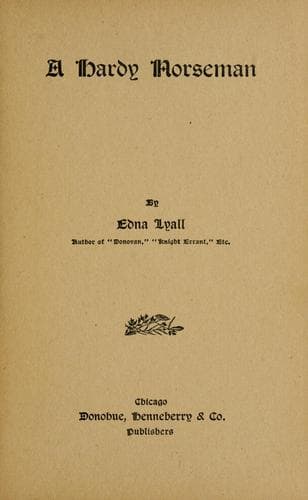
British -- Norway -- Fiction; Conduct of life -- Fiction; Norwegians -- England -- Fiction
She rapped softly at the bedroom door and after a minute’s pause heard
the key turned in the lock. When she entered the room was quite dark,
and Swanhild, with her face turned away, was vigorously washing her
hands. Sigrid began to hunt for some imaginary need in her box, waiting
till the hands were dry before she touched on the sore subject. But
presently she plunged boldly into the heart of the matter.
“Swanhild,” she said, “you are crying.”
“No,” said the child, driving back the tears that started again to her
eyes at this direct assertion, and struggling hard to make her voice
cheerful.
But Sigrid put her arm round her waist and drew her close.
“Frithiof told me all about it, and I think he made a great mistake in
scolding you. Don’t think any more about it.”
But this was more than human nature could possibly promise; all that she
had read assumed now a tenfold importance to the child. She clung to
Sigrid, sobbing piteously.
“He said I ought to be ashamed of myself, but I didn’t know—I really
didn’t know.”
“That was his great mistake,” said Sigrid quietly. “Now, if he had found
me reading that report he might justly have reproached me, for I am old
enough to know better. You see, poor Blanche has done what is very
wrong, she has broken her promise to her husband and brought misery and
disgrace on all who belong to her. But to pry into all the details of
such sad stories does outsiders a great deal of harm; and now you have
been told that, I am sure you will never want to read them again.”
This speech restored poor little Swanhild’s self-respect, but
nevertheless Sigrid noticed in her face all through the evening a look
of perplexity which made her quite wretched. And though Frithiof was all
anxiety to make up for his hasty scolding, the look still remained, nor
did it pass the next day; even the excitement of dancing the shawl dance
with all the pupils looking on did not drive it away, and Sigrid began
to fear that the affair had done the child serious harm. Her practical,
unimaginative nature could not altogether understand Swanhild’s dreamy,
pensive tendencies. She herself loved one or two people heartily, but
she had no ideals, nor was she given to hero-worship. Swanhild’s
extravagant love for Blanche, a love so ardent and devoted that it had
lasted more than two years in spite of every discouragement, was to her
utterly incomprehensible; she was vexed that the child should spend so
much on so worthless an object; it seemed to her wrong and unnatural
that the love of that pure, innocent little heart should be lavished on
such a woman as Lady Romiaux. It was impossible for her to see how even
this childish fancy was helping to mold Swanhild’s character and fit her
for her work in the world; still more impossible that she should guess
how the child’s love should influence Blanche herself and change the
whole current of many lives.
Public-domain text, read in full here on John Shaqi.
Reviews
Reviews
No reviews yet
Be the first to share your thoughts on this work.
Elsewhere in the archive
Join the Discussion
Join the discussion
Sign in to leave a comment or review.
Sign InorCreate an account