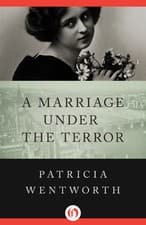
France -- History -- Revolution, 1789-1799 -- Fiction
"It is the truth—the truth. I have seen it—and more, much, much more.
Tales not fit for innocent girls’ ears like yours, and yet innocent
girls have suffered the things I dare not name to you. This is a race
that must be purged from among us, with sweat of blood, and tears if
needs be, and then—let the land enjoy her increase. Those who toiled as
brutes, oppressed and ground down below the very cattle they tended,
shall work, each man for his own wife and children, and the prosperity
of the family shall make the prosperity of France."
Mlle de Rochambeau listened impatiently, her finely cut mouth quivering
with anger, and her eyes darkening and deepening from blue to grey.
They were those Irish eyes, of all eyes the most changeable: blue under
a blue sky, grey in anger, and violet when the soul looked out of
them—the beautiful eyes of beautiful Aileen Desmond. They were very
dark with her daughter’s resentment now.
"Monsieur says I am young," she cried, "but he forgets that I have lived
all my life in the country amongst those who, he says, are so oppressed,
so enslaved. I have not seen it. Before my parents died and I went to
the Convent, I used to visit the peasants with my mother. She was an
angel, and they worshipped her. I have seen women kiss the fold of her
dress as she passed, and the children would flock to her, like chickens
at feeding-time. Then, my father—he was so good, so just. In his
youth, I have heard he was the handsomest man at Court; he had the royal
favour, the King wished for his friendship, but he chose rather to live
on his estates, and rule them justly and wisely. The meanest man in his
Marquisate could come to him with his grievance and be sure it would be
redressed, and the poorest knew that M. le Marquis would be as
scrupulous in defence of his rights as in defence of his own honour. And
there were many, many who did the same. They lived on their lands, they
feared God, they honoured the King. They did justly and loved mercy."
Dangeau watched her face as it kindled, and felt the flame in her rouse
all the smouldering fires of his own heart. The opposition of their
natures struck sparks from both. But he controlled himself.
"It is the power," he said in a sombre voice; "they had too much
power—might be angel or devil at will. Too many were devil, and brought
hell’s torments with them. You honour your parents, and it is well, for
if they were as you speak of them, all would honour them. Do you not
think Liberty would have spoken to them too? But for every seigneur who
dealt equal justice, there were hundreds who crushed the poor because
they were defenceless. For every woman who fostered the tender lives
around her, there were thousands who saw a baby die of starvation at its
starving mother’s breast with as little concern as if it had been a
she-wolf perishing with her whelps, and less than if it were a case of
one of my lord’s hounds and her litter."
Public-domain text, read in full here on John Shaqi.
Reviews
Reviews
No reviews yet
Be the first to share your thoughts on this work.
Join the Discussion
Join the discussion
Sign in to leave a comment or review.
Sign InorCreate an account