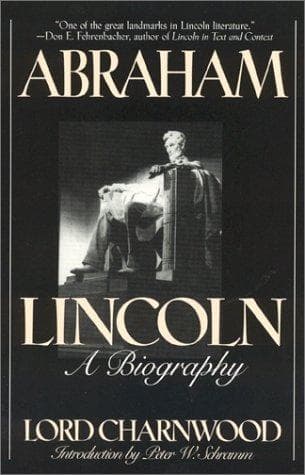
Abraham LincolnCharnwood, Godfrey Rathbone Benson, Baron
History
Abraham Lincoln
Charnwood, Godfrey Rathbone Benson, Baron
Lincoln, Abraham, 1809-1865; Presidents -- United States -- Biography
Whether Seward and Chase and the other opponents of the Compromise were
right, as it now seems they were, or not, Lincoln was not the man who
in the unlooked-for crisis of 1850 would have been likely to make an
insurrectionary stand against his old party-leader Clay, and the
revered constitutional authority of Webster. He had indeed little
opportunity to do so in Illinois, but his one recorded speech of this
period, an oration to a meeting of both parties on the death of Clay in
1852, expresses approval of the Compromise. This speech, which is
significant of the trend of his thoughts at this time, does not lend
itself to brief extracts because it is wanting in the frankness of his
speeches before and after. A harsh reference to Abolitionists serves
to disguise the fact that the whole speech is animated by antagonism to
slavery. The occasion and the subject are used with rather
disagreeable subtlety to insinuate opposition to slavery into the minds
of a cautious audience. The speaker himself seems satisfied with the
mood of mere compromise which had governed Clay in this matter, or
rather perhaps he is twisting Clay's attitude into one of more
consistent opposition to slavery than he really showed. In any case we
can be quite sure that the moderate and subtle but intensely firm
opinion with which a little later Lincoln returned to political strife
was the product of long and deep and anxious thought during the years
from 1849 to 1854. On the surface it did not go far beyond the
condemnation of slavery and acceptance of the Constitution which had
guided him earlier, nor did it seem to differ from the wide-spread
public opinion which in 1854 created a new party; but there was this
difference that Lincoln had by then looked at the matter in all its
bearings, and prepared his mind for all eventualities. We shall find,
and need not be surprised to find, that he who now hung back a little,
and who later moved when public opinion moved, later still continued to
move when public opinion had receded.
Public-domain text, read in full here on John Shaqi.
Reviews
Reviews
No reviews yet
Be the first to share your thoughts on this work.
Elsewhere in the archive
Join the Discussion
Join the discussion
Sign in to leave a comment or review.
Sign InorCreate an account