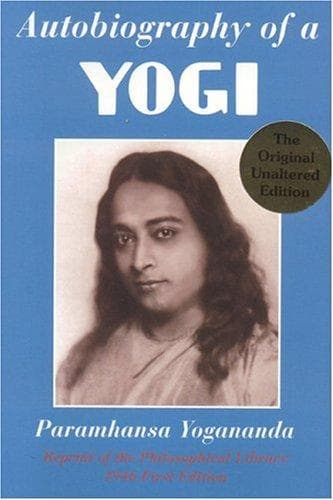
Yogananda, Paramahansa, 1893-1952; Yogis -- India -- Biography
Mysore State too is a scenic wonderland, three thousand feet above
sea level, abounding in dense tropical forests, the home of wild
elephants, bison, bears, panthers, and tigers. Its two chief cities,
Bangalore and Mysore, are clean, attractive, with many parks and
public gardens.
Hindu architecture and sculpture achieved their highest perfection
in Mysore under the patronage of Hindu kings from the eleventh to
the fifteenth centuries. The temple at Belur, an eleventh-century
masterpiece completed during the reign of King Vishnuvardhana, is
unsurpassed in the world for its delicacy of detail and exuberant
imagery.
The rock pillars found in northern Mysore date from the third
century B.C., illuminating the memory of King Asoka. He succeeded
to the throne of the Maurya dynasty then prevailing; his empire
included nearly all of modern India, Afghanistan, and Baluchistan.
This illustrious emperor, considered even by Western historians to
have been an incomparable ruler, has left the following wisdom on
a rock memorial:
This religious inscription has been engraved in order that our sons
and grandsons may not think a new conquest is necessary; that they
may not think conquest by the sword deserves the name of conquest;
that they may see in it nothing but destruction and violence; that
they may consider nothing as true conquest save the conquest of
religion. Such conquests have value in this world and in the next.
Asoka was a grandson of the formidable Chandragupta Maurya (known
to the Greeks as Sandrocottus), who in his youth had met Alexander
the Great. Later Chandragupta destroyed the Macedonian garrisons
left in India, defeated the invading Greek army of Seleucus in the
Punjab, and then received at his Patna court the Hellenic ambassador
Megasthenes.
Intensely interesting stories have been minutely recorded by Greek
historians and others who accompanied or followed after Alexander
in his expedition to India. The narratives of Arrian, Diodoros,
Plutarch, and Strabo the geographer have been translated by Dr. J.
W. M’Crindle {FN41-3} to throw a shaft of light on ancient India.
The most admirable feature of Alexander’s unsuccessful invasion
was the deep interest he displayed in Hindu philosophy and in the
yogis and holy men whom he encountered from time to time and whose
society he eagerly sought. Shortly after the Greek warrior had
arrived in Taxila in northern India, he sent a messenger, Onesikritos,
a disciple of the Hellenic school of Diogenes, to fetch an Indian
teacher, Dandamis, a great sannyasi of Taxila.
“Hail to thee, O teacher of Brahmins!” Onesikritos said after
seeking out Dandamis in his forest retreat. “The son of the mighty
God Zeus, being Alexander who is the Sovereign Lord of all men,
asks you to go to him, and if you comply, he will reward you with
great gifts, but if you refuse, he will cut off your head!”
Public-domain text, read in full here on John Shaqi.
Reviews
Reviews
No reviews yet
Be the first to share your thoughts on this work.
Elsewhere in the archive
Join the Discussion
Join the discussion
Sign in to leave a comment or review.
Sign InorCreate an account