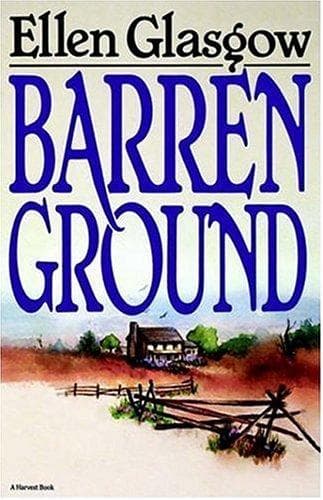
Country life -- Fiction; Pastoral fiction; Piedmont (U.S. : Region) -- Fiction; Virginia -- Fiction
Her face was pale and drawn, and while she spoke, she shivered, not from
cold but from anxiety. She saw John Abner glance quickly toward the
front window and she knew that he, like herself, was feeling all the
terror of primitive isolation. How did people stand it when they were
actually cut off by the desert or the frozen North from communication
with their kind?
"You know now what it must have been like in the old days before we had
the telegraph and the telephone," she said. "Pedlar's Mill was scarcely
more than a stopping place in the wilderness, and my mother would be
shut in for days without a sign from the outer world."
"I never thought of it before," said John Abner, "but it must have been
pretty rough on her. The roads were no better than frozen bogs, so she
couldn't get anywhere if she wanted to."
"That was why she got her mania for work. The winter loneliness; she
said, was more than she could endure without losing her mind. She had to
move about to make company for herself. There were weeks at a time, she
told me once, when the roads were so bad that nobody went by, not even
Mr. Garlick, or an occasional negro. During the war the trains stopped
running on this branch road, and afterwards there were only two trains
passing a day."
"I suppose it was always better on the other side of the railroad."
"They're nearer the highway, of course, though that was bad enough when
Ma was first married. Over here the roads were never mended unless a few
of the farmers agreed to give so much labour, either of slaves or free
negroes. Then, after the contract was made, something invariably got in
the way and it fell through. Somebody died or fell ill or lost all his
crops. You know how indisposed tenant farmers are to doing their share
of work."
"And there wasn't even a store at Pedlar's Mill until Father started
one?"
"Nothing but the mill. That was there as far back as anybody could
remember, and there was always a Pedlar for a miller. The farmers from
this side took corn there to be ground, and sometimes they would trade
it for sugar or molasses. But the only store was far up at the
Courthouse. People bought their winter supplies when they went to town
to sell tobacco. All the tobacco money went for coffee and sugar and
clothes. That was why Pa raised a crop every year to the end of his
life."
John Abner rose and stretched himself. "Well, I'm precious glad I live
in the days of the telephone and the telegraph, with the hope of owning
an automobile when they get cheaper." Going over to the window, he held
his hand over his eyes and peered out. "You can't see a thing but snow.
We might as well be dead and buried under it. Shall I take the butter
over in the morning?"
Public-domain text, read in full here on John Shaqi.
Reviews
Reviews
No reviews yet
Be the first to share your thoughts on this work.
Elsewhere in the archive
Join the Discussion
Join the discussion
Sign in to leave a comment or review.
Sign InorCreate an account