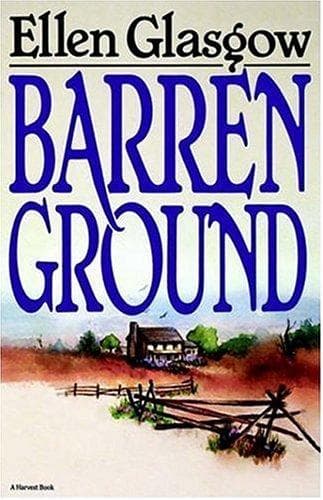
Country life -- Fiction; Pastoral fiction; Piedmont (U.S. : Region) -- Fiction; Virginia -- Fiction
"I don't know. It seems different this morning. I can't see why I did
it."
"I heard the men talking about it in the barn. Somebody, the sheriff, I
reckon, had told Martin Flower, and he said you'd bitten off more than
you could chew."
Dorinda flushed angrily. "When I want Martin Flower's interference, I'll
ask for it."
Already a message had gone to Mirandy, and the old negress was waiting
outside for directions when breakfast was over. The floor and the
woodwork of the spare room must be scrubbed; the bed thoroughly aired
before it was made up; a fire kindled in the big fireplace; and the
red-bordered towels, which her mother had reserved for the visiting
elder, must be hung on the towel-rack. Last of all, Mirandy must
remember to keep a kettle boiling day and night on the brass footman.
"I wonder why I am doing all this?" Dorinda asked herself. Was it, as
she believed, from impersonal compassion? Or was it because her first
lover, merely because he had been the first, was impressed eternally on
the unconscious cells of her being? "No, I'm not doing it for Jason,"
she answered. "Even if I had never loved him, I couldn't let the man who
had owned Five Oaks die in the poorhouse."
"Before we bring him here," John Abner said, "you'd better warn Aunt
Mirandy that consumption is catching." He shook his head with a sardonic
smile. "I'm afraid he's going to be a nuisance; but I believe you would
have done the same thing if it had been smallpox."
She looked at him with inscrutable eyes. "I was never afraid of taking
things."
"But you don't even like Jason Greylock."
"Like him? Who could? What has that to do with the poorhouse?"
A look of rare tenderness, for he was not often tender, came into John
Abner's eyes while he squinted at her over the table. "Well, you're a
big woman, Dorinda, even if you're trying at times. There's an extra
dimension in you somewhere."
Though praise from John Abner was one of the things that pleased her
most, she was incapable, she knew, of draining the sweetness of the
moment before it escaped her. When happiness came to her she had always
the feeling that she was too dull or too slow to realize it completely
until it was, over, when she responded to the memory as she had never
responded to the actual occurrence.
"You're very good to me, John Abner," she answered. Her words were
insufficient, but the habit of reticence was, as usual, too strong for
her.
Public-domain text, read in full here on John Shaqi.
Reviews
Reviews
No reviews yet
Be the first to share your thoughts on this work.
Elsewhere in the archive
Join the Discussion
Join the discussion
Sign in to leave a comment or review.
Sign InorCreate an account