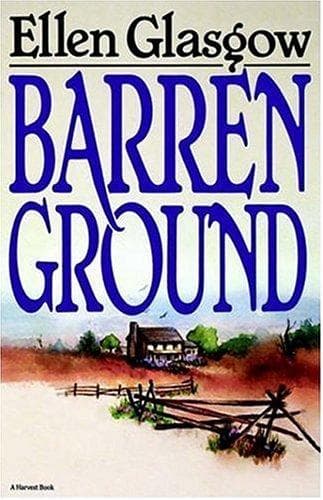
Country life -- Fiction; Pastoral fiction; Piedmont (U.S. : Region) -- Fiction; Virginia -- Fiction
Like other relics of an abruptly changing era, the county poorhouse
possessed both the advantages and the disadvantages of desuetude. The
seven aged paupers and the one indigent young mother who now accepted
its charity were neglected, it is true, but they were neglected in
freedom. Where there was no system there was less room for interference.
If the coarse clothes were thin, they were as varied as the tempers or
the inclinations of the paupers. Though the fare was mean, the
complaints over it were bountiful. It is hard to be a pauper; it is
particularly hard to be an aged pauper; but if these nine inmates
(including the week-old infant) could have chosen between liberty and
fraternity, they would probably have preferred the scant food and the
rough clothes to the neat livery of dependence. Dorinda, however,
perceived none of the varied blessings attendant upon orderless
destitution. All she saw was the ramshackle building and the whitewashed
cedars, which reminded her vaguely of missionary stories of the fences
of dry bones surrounding the huts of Ethiopian kings. "It looks as bare
as the palm of my hand," she said aloud.
The doctor's Ford car was standing in front of the door, with one wheel
in a mudhole and one in a pile of trash; and when they stopped, an old
woman, who was hanging the wash to dry on the bushes, put down the wet
clothes and came over to meet them. She was so old that her skin was
like bark; her mouth was closed as tight as a nutcracker over her
toothless gums; and her small red eyes flickered between eyelids which
looked as if they had worn away. As she mumbled at them, she wiped her
steaming wet hands on her skirt.
"You ain't got any sweet stuff, is you, honey?" she whined, until the
doctor appeared at the door and beckoned them round the corner of the
house where the sunshine was falling. As usual he looked brisk, kind,
incurably sanguine.
"There is no longer any question. These county poorhouses must go," he
said, as they followed the beaten track which wound by the side of the
building. "It costs the county not a cent under two thousand dollars a
year to keep this place open for these eight inmates. It would be
cheaper in the end to board them at the City Home where there is some
system about the way things are managed." Then he lowered his voice,
which had been high and peremptory, as if he wished to be overheard. "We
brought Doctor Greylock here because he couldn't be left alone, and none
of the negroes would go near him. There's a scare about him, though he's
perfectly harmless. A little out of his dead now and then, but too weak
to hurt anybody even if he tried."
"Is he delirious now?"
"No, he's in his senses this morning, and quiet--you'll find him as
quiet as you could wish. Is there anybody to look after him at Five
Oaks?"
Public-domain text, read in full here on John Shaqi.
Reviews
Reviews
No reviews yet
Be the first to share your thoughts on this work.
Elsewhere in the archive
Join the Discussion
Join the discussion
Sign in to leave a comment or review.
Sign InorCreate an account