"I take this opportunity to advert to one important topic on which I have
hitherto considered it right to preserve a rigid silence--I allude to the
trade in opium; and I now unhesitatingly declare in this public manner
that after the most unbiased and careful observations I have become
convinced during my stay in China that the alleged demoralizing and
debasing evils of opium have been and are vastly exaggerated. Like all
other indulgences, excesses in its use are bad and reprehensible; but I
have neither myself seen such vicious consequences as are frequently
ascribed to it, nor have I been able to obtain authentic proofs or
information of their existence. The great, and perhaps I might say sole,
objection to the trade, looking at it morally and abstractedly, that I
have discovered, is that it is at present contraband and prohibited by the
laws of China, and therefore to be regretted and disavowed; but I have
striven--and I hope with some prospect of eventual success--to bring about
its legalization; and were that point once effected, I am of opinion that
its most objectionable feature would be altogether removed. Even as it now
exists it appears to me to be unattended with a hundredth part of the
debasement and misery which may be seen in our native country from the
lamentable abuse of ardent spirits, and those who so sweepingly condemn
the opium trade on that principle need not, I think, leave the shores of
England to find a far greater and more besetting evil."
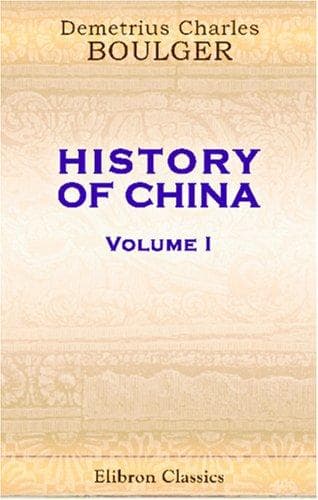
The ink on the Tientsin treaty was scarcely dry before reasons began to be
furnished against the sincerity of the emperor and his desire for peace.
Before the fleet left the Peiho workmen were already engaged repairing and
re-arming the Taku forts, and the morrow of Lord Elgin's departure from
Hongkong witnessed the revival of disturbances round Canton, where the new
imperial commissioner Hwang, instead of seeking to restore harmony, had
devoted himself to inciting the population to patriotic deeds in emulation
of Commissioner Yeh. It was found necessary to take strenuous measures
against the turbulent patriots of Kwantung, and to break up their main
force in their strong and well-chosen position at Shektsin, which was
accomplished by a vigorous attack both on land and water. The suspicion
that the Chinese were not absolutely straightforward in their latest
dealings with us was confirmed by the discovery at Shektsin of secret
imperial edicts, breathing defiance to the foreigners and inciting the
people to resistance. These and other facts warned the European
authorities on the spot that there was no certainty that the Treaty of
Tientsin would be ratified, or that a British envoy would be admitted into
the capital for even the temporary business of a diplomatic ceremony.
While people in Europe were assuming that the Chinese question might be
dismissed for twenty years, the English consuls and commanders in the
treaty ports were preparing themselves for a fresh and more vigorous
Public-domain text, read in full here on John Shaqi.
Reviews
Reviews
No reviews yet
Be the first to share your thoughts on this work.
Elsewhere in the archive
Join the Discussion
Join the discussion
Sign in to leave a comment or review.
Sign InorCreate an account