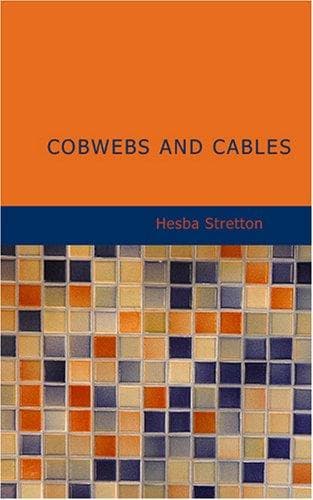
Bankers -- Fiction; Christian life -- Fiction; Fraud -- Fiction; Fugitives from justice -- Fiction
"It isn't true, sir, is it, what folks are tellin' about your father?"
was a question put to him more than once, when he entered some squalid
home, in the hope of giving counsel, or help, or comfort. There was
something highly welcome and agreeable to these people, themselves
thieves or bordering on thievedom, in the idea that this fine, handsome,
gentlemanly young clergyman, who had set to work among them with so much
energy and zeal, was the son of a dishonest rogue, who ought to have
been sent to jail as many of them had been. Felix had not failed to make
enemies in the Brickfields by his youthful intolerance of idleness,
beggary, and drunkenness. The owners of the gin-palaces hated him, and
not a few of the rival religious sects were, to say the least,
uncharitably disposed towards one who had drawn so many of their
followers to himself. There was very little common social interest in
the population of the district, for the tramping classes of the lowest
London poor, such as were drawn to the Brickfields by its overflowing
charities, have as little cohesion as a rope of sand; but Felix was so
conspicuous a figure in its narrow and dirty streets, that even
strangers would nudge one another's elbows, and almost before he was
gone by narrate Nixey's story, with curious additions and alterations.
It was gall and wormwood to Felix that he was unable to contradict the
story in full. He could say that his father had never been a convict;
but no inducement on earth could have wrung from him the declaration
that his father had never been guilty of fraud. Sometimes he wondered
whether it would not be well to own the simple truth, and endure the
shame: if he had been the sole survivor of his father's sin this he
would have done, and gone on toilsomely regaining the influence he had
lost. But the secret touched his mother even more closely than himself,
and Hilda was equally concerned in it. It had been sacredly kept by
those older than he was, and it was not for him to betray it. "My poor
mother!" he called her. Never, before he learned the secret burden she
had borne, had he called her by that tender and pitiful epithet; but as
often as he thought of her now his heart said, "My poor mother!"
Public-domain text, read in full here on John Shaqi.
Reviews
Reviews
No reviews yet
Be the first to share your thoughts on this work.
Elsewhere in the archive
Join the Discussion
Join the discussion
Sign in to leave a comment or review.
Sign InorCreate an account