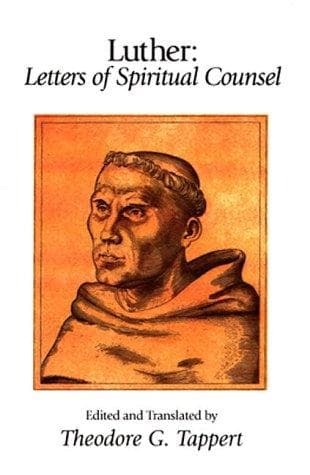
Commentary on Genesis, Vol. 1: Luther on the CreationLuther, Martin
ReligionChristian
Commentary on Genesis, Vol. 1: Luther on the Creation
Luther, Martin
Bible. Genesis -- Commentaries
It is a common saying of divines in all theological schools, "Clearly
distinguish times and you will harmonize all the Scriptures."
Wherefore we must speak far otherwise concerning the world, under its
present wretched corruption, by which it has been marred through the
sin of Adam, than concerning the world when as yet it was in its state
of original purity and perfection. Let us take an example still in our
sight and knowledge. Those who have visited the "land of promise" in
our day affirm, that there is nothing in it like unto that
commendation of it which we have in the holy Scriptures. In
confirmation of these statements a citizen of Stolberg, after having
visited Palestine and surveyed with all possible diligence of
observation, declared that he considered his own field in Germany a
far more delightful spot. For on account of the sin, wickedness and
ungodliness of men it is reduced to a positive pickle-tub, to "a salt
land not inhabited;" so actually is the very essence of the curse of
God upon it fulfilled, as it is said, Gen. 3:17, 18; Ps. 107:34. Thus
Sodom also before it was destroyed by fire from heaven was a certain
paradise, a garden of the Lord, Gen. 13:10. Thus does the curse of God
generally follow sin, and that curse so changes things, that from the
best they become the worst. Moses therefore, we repeat, is here
speaking concerning the state of all creatures in their original
perfection; as they were before the sin of man. For if man had not
sinned, all beasts and every other creature would have remained in
obedience to him until God should have translated him from paradise,
or from earth to heaven. But after his sin, all things were changed
for the worse.
According to these expressions therefore the solution given by us
above to all sceptics, cavillers and objectors stands good, that God
in six days finished his work, and that on the "seventh day" he rested
from all his work which he had made; that is, that he ceased from
ordaining the certain orders of things, and that then, whatsoever he
willed afterwards to work, he did work. But God did not say
afterwards, "Let there be a new earth;" "Let there be a new sea," etc.
With respect to that wonderful "new thing;" that, after the creation
was finished, the virgin Mary brought forth the Son of God, it is
indeed manifest that God made our calamity, into which we had fallen
by sin, the cause of this marvellous blessing. But God so wrought even
this mighty work that he showed beforehand that he would, by his Word,
do this glorious work also; even as he has also signified in his Word,
that he will by the same Word do other marvelous things.
Public-domain text, read in full here on John Shaqi.
Reviews
Reviews
No reviews yet
Be the first to share your thoughts on this work.
Elsewhere in the archive
Join the Discussion
Join the discussion
Sign in to leave a comment or review.
Sign InorCreate an account