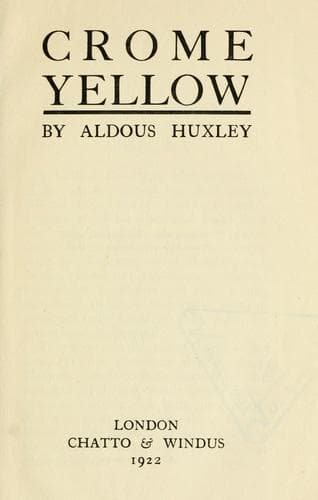
Country homes -- Fiction; England -- Fiction; Humorous stories; Intellectuals -- Fiction; Satire
“Sir Ferdinando, who was above all things a patriot, had adopted, from
the earliest days of the conflict with the French, his own peculiar
method of celebrating our victories. When the happy news reached London,
it was his custom to purchase immediately a large store of liquor and,
taking a place on whichever of the outgoing coaches he happened to light
on first, to drive through the country proclaiming the good news to all
he met on the road and dispensing it, along with the liquor, at every
stopping-place to all who cared to listen or drink. Thus, after the
Nile, he had driven as far as Edinburgh; and later, when the coaches,
wreathed with laurel for triumph, with cypress for mourning, were
setting out with the news of Nelson’s victory and death, he sat through
all a chilly October night on the box of the Norwich ‘Meteor’ with a
nautical keg of rum on his knees and two cases of old brandy under the
seat. This genial custom was one of the many habits which he abandoned
on his marriage. The victories in the Peninsula, the retreat from
Moscow, Leipzig, and the abdication of the tyrant all went uncelebrated.
It so happened, however, that in the summer of 1815 Sir Ferdinando was
staying for a few weeks in the capital. There had been a succession of
anxious, doubtful days; then came the glorious news of Waterloo. It was
too much for Sir Ferdinando; his joyous youth awoke again within him. He
hurried to his wine merchant and bought a dozen bottles of 1760 brandy.
The Bath coach was on the point of starting; he bribed his way on to
the box and, seated in glory beside the driver, proclaimed aloud the
downfall of the Corsican bandit and passed about the warm liquid joy.
They clattered through Uxbridge, Slough, Maidenhead. Sleeping Reading
was awakened by the great news. At Didcot one of the ostlers was so
much overcome by patriotic emotions and the 1760 brandy that he found it
impossible to do up the buckles of the harness. The night began to grow
chilly, and Sir Ferdinando found that it was not enough to take a nip
at every stage: to keep up his vital warmth he was compelled to drink
between the stages as well. They were approaching Swindon. The coach
was travelling at a dizzy speed--six miles in the last half-hour--when,
without having manifested the slightest premonitory symptom of
unsteadiness, Sir Ferdinando suddenly toppled sideways off his seat
and fell, head foremost, into the road. An unpleasant jolt awakened the
slumbering passengers. The coach was brought to a standstill; the
guard ran back with a light. He found Sir Ferdinando still alive, but
unconscious; blood was oozing from his mouth. The back wheels of the
coach had passed over his body, breaking most of his ribs and both arms.
His skull was fractured in two places. They picked him up, but he was
dead before they reached the next stage. So perished Sir Ferdinando,
a victim to his own patriotism. Lady Lapith did not marry again, but
Public-domain text, read in full here on John Shaqi.
Reviews
Reviews
No reviews yet
Be the first to share your thoughts on this work.
Elsewhere in the archive
Join the Discussion
Join the discussion
Sign in to leave a comment or review.
Sign InorCreate an account