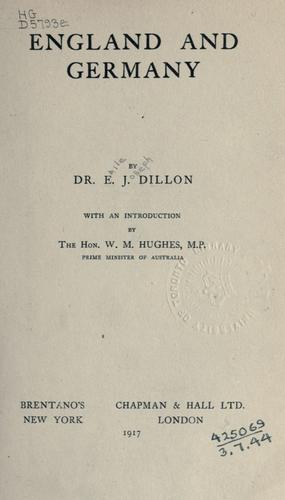
Germany -- Foreign relations; World War, 1914-1918; World War, 1914-1918 -- Economic aspects
One effect of the establishment of groups of monopolies will be to
increase the number of persons dependent for their livelihood on the
State. It is calculated that the total, including heads of families,
will amount to tens of millions. The corn monopoly will bring in five
million farmers, heads of families, who will have to look to the State
for the amount of their yearly income. For it is evident that the
Government will be "co-operating" not with the peasants, but with the
great landed proprietors. Now, these are the men whose backing is
indispensable, and has never been wanting, to the military and court
parties who are primarily responsible for the war. Once the wages of
the workmen and the interest on capital become dependent on the State,
the entire nation is but a vast machine worked by the men in power. To
suppose that these will lend a willing ear to the demands for
political liberty which are certain to be made after the conclusion of
peace is to expect the impossible. What will probably happen is a keen
struggle between the classes and the masses for the mastery, but until
it is decided in favour of the latter, the Germany of the future will
continue to be the Germany of to-day.
In the meanwhile, the Teutons, despite their striking inferiority in
numbers and resources, have kept the Great Powers of the world at bay,
have defeated their armies, sunk their mercantile marine, occupied
their territory, drained their wealth, paralysed their trade and
deprived them of all the odds which they owed to circumstance.
Organization has thus more than made up for the seemingly overpowering
advantages possessed by the Allies at the outset. That it will
suddenly lose its worth during the remainder of the campaign is hardly
to be expected. The contingency which we may have to face, if we
continue to move at our present pace, is manifest to the observant
student of politics.
By the average man and our "leaders of men" it is hardly even
suspected. Our easy-going optimism is largely the result of
temperament and partly, too, of presumptuous confidence born of past
luck, and in especial of the relief we feel at our escape from most of
the obvious dangers that menaced us at the outset of the war. There
has been no trouble over Ireland, no rising in India, no serious
defection in South Africa, no invasion of Egypt. And we irrationally
feel that these dark clouds, having drifted harmlessly past, the
others will follow them. It was said of the Swiss in mediaeval times,
that they were kept together by the bewilderment of men and the
providence of God, confusione hominum et providentia Dei. The same
might be truly predicated of the British people of to-day.
Public-domain text, read in full here on John Shaqi.
Reviews
Reviews
No reviews yet
Be the first to share your thoughts on this work.
Elsewhere in the archive
Join the Discussion
Join the discussion
Sign in to leave a comment or review.
Sign InorCreate an account