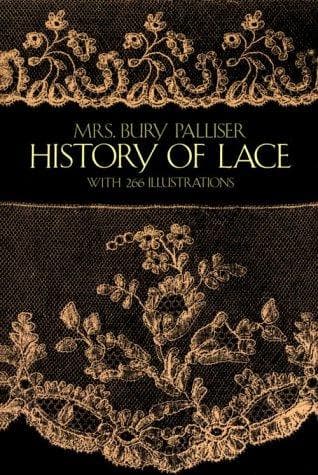
Fig. 154 is an example of the pattern worked in the favourite design of the
butterfly and the acorn, already familiar to us in the old point
d'Angleterre and in the smock of Queen Elizabeth.
[Illustration: Fig. 153.]
The American War had an evil effect upon the lace trade, and still worse
was the French Revolution, which was followed by the fashion of classical
dress. Lace became no longer necessary to a lady's wardrobe, and the demand
for it declined to a serious extent for the workers. Worse than these,
however, was the introduction of the machine net, the first factory being
set up at Tiverton in 1815. Lysons writes shortly afterwards in 1822: "The
manufactory of lace has much declined, although the lace still retains its
superiority. Some years ago, at which time it was much patronised by the
Royal family, the manufacturers of Honiton employed 2,400 hands in the town
and in the neighbouring villages, but they do not now employ above 300."
For twenty years the lace trade suffered the greatest depression, and the
Honiton lace-workers, forsaking the designs of their forefathers,
introduced a most hideous set of patterns, designed, as they said, "out of
their own heads." "Turkey tails," "frying pans," "bullocks' hearts," and
the most senseless sprigs and borderings took the place of the graceful
compositions of the old school. Not a leaf, not a flower was copied from
nature. Anxious to introduce a purer taste, Queen Adelaide, to whom a
petition had been sent on behalf of the distressed lace-makers, gave the
order for a dress to be made of Honiton sprigs,[1155] and commanded that
the flowers should all be copied from nature. The order was executed by
Mrs. Davey, of Honiton. The skirt was encircled with a wreath of elegantly
designed sprigs, the initial of each flower forming the name of her
Majesty.[1156]
[Illustration: Fig. 154.
OLD DEVONSHIRE.
_To face page 408._]
{409}The example of the Queen found new followers, and when, in the
progress of time, the wedding lace was required for Queen Victoria, it was
with difficulty the necessary number of workers could be obtained to make
it. It was undertaken by Miss Jane Bidney, who caused the work to be
executed in the small fishing hamlet of Beer[1157] and its environs. The
dress cost £1,000. It was composed entirely of Honiton sprigs, connected on
the pillow by a variety of open-work stitches; but the patterns were
immediately destroyed, so it cannot be described.
The bridal dresses of their Royal Highnesses the Princess Royal, the
Princess Alice, and the Princess of Wales were all of Honiton point, the
patterns consisting of the national flowers, the latter with prince's
feathers intermixed with ferns, and introduced with the most happy effect.
Public-domain text, read in full here on John Shaqi.
Reviews
Reviews
No reviews yet
Be the first to share your thoughts on this work.
Elsewhere in the archive
Join the Discussion
Join the discussion
Sign in to leave a comment or review.
Sign InorCreate an account