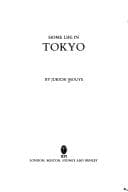
Japan has been called the Paradise of Babies; and certain it is that
childhood passes very happily in this country. In every family its
children have a free run of the whole house; there is neither a
nursery to which they can be confined nor any room which is exempt
from their invasion. They are the real masters of the house; and
father, mother, elder brother and sister are their willing slaves.
They will romp unchidden into the parlour and interrupt the visitor
whom the father or mother is there receiving; and the visitor too,
be he friend, relative, or comparative stranger, never takes such
intrusion amiss, but on the contrary, pays court to them as he knows
well that through them the softest spot in the father’s heart is
reached and the mother’s goodwill won. The parent, following the
common custom of the country, deprecates any words uttered in their
praise, for it is considered as great a breach of good manners to
extol one’s children, or for that matter, husband, wife, or any other
member of the family, as to belaud oneself. The mother, burning as
she may be to expatiate upon her children’s marvellous sharpness or
sagacity, will to the last speak disparagingly of them, but in a tone
which clearly expects from the hearer an emphatic protest against her
depreciation of her own offspring. Indeed, to take her at her word
would be to incur her undying displeasure.
Children too, on their part, brighten every household; and were it
not for their enlivening presence, the Japanese home with its
staid manners and cold civilities would be intolerably dull. The
wife, debarred as she usually is by household duties from social
distractions, would if childless lead a monotonous life; and the
absence of little ones she would take to heart as if she were
personally to blame for it and feel that she has missed the primary
object for which she entered into wedlock. She would also have to put
up sometimes with the reproaches of her husband or his parents for
this failure of issue and consent to the adoption of a child to whom
she must concede the love which she had hoped to reserve for her own
flesh and blood. But happily for the wife, we are on the whole a
prolific nation untroubled by the phantom of race suicide, and every
woman is prepared to bring up a family, which is in her eyes as much
the wife’s destiny as in girlhood she looked upon marriage as her
inevitable fate. Her absolute concentration upon her own home, though
it is a serious obstacle to her social development, brings its
compensation when her wedded life is crowned with maternity, and in
the smiles of infancy she finds ample consolation for the monotony of
her home. This intense love of children is one of the brightest traits
of Japanese home life, and with the reverence for old age, gives it a
tone of quiet, undemonstrative happiness.
Public-domain text, read in full here on John Shaqi.
Reviews
Reviews
No reviews yet
Be the first to share your thoughts on this work.
Elsewhere in the archive
Join the Discussion
Join the discussion
Sign in to leave a comment or review.
Sign InorCreate an account