Great Britain -- History -- Victoria, 1837-1901 -- Fiction
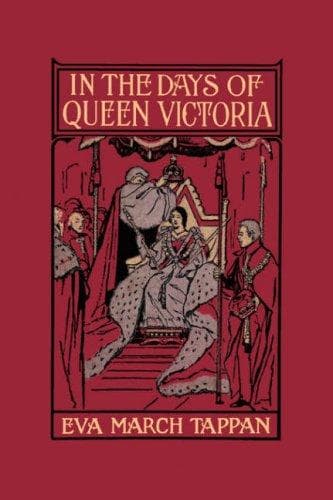
At the door of the Abbey, the Queen was met by the chief officers of
state. She walked slowly up the aisle, but not alone by any means.
Heralds, clergy, and officers of state came first; then a noble bearing
the coronet of the Duchess of Cambridge, followed by the Duchess
herself, with her long train of purple velvet. Another coronet was
borne on a silken cushion, and after it came the Duchess of Kent. Then
came six nobles, each carrying some piece of the regalia. There were
dukes and earls and marquises and generals and field marshals and
bishops, all in their most brilliant array. A little whisper, "The
Queen, the Queen!" ran through the long lines of peers and peeresses
and ambassadors and judges. It was followed by the waving of
handkerchiefs and scarfs and such shouts of applause as shook the Abbey
to its foundations, and Victoria advanced, escorted by three bishops.
Eight young girls in white silk and silver, with blush roses, carried
her train. Then came members of the royal household, gentlemen-at-arms,
lords-in-waiting, and other officials without number.
All this time the choir were singing "I was glad when they said unto
me, Let us go into the house of the Lord." Then they sang "God save the
Queen!" and the trumpets sounded the accompaniment. A most impressive
moment followed. The trumpets ceased, every voice was hushed, not a
sound was heard among all the thousands in the vast Abbey. The Queen
had passed through the door looking "like a young girl on her
birthday," but now her face was grave, and she knelt before the altar
for a moment of silent prayer. By an ancient privilege, the Westminster
schoolboys had the right to give the first greeting to the sovereign,
and as she rose, the Abbey rang with their shouts, "Victoria! Victoria!
Vivat Victoria Regina!"
The next part of the ceremony is known as the "Recognition"--that is,
the recognition of the new sovereign as the lawful sovereign. The Queen
and the Archbishop of Canterbury turned to the north, and the
Archbishop said:
"Sirs, I here present unto you Queen Victoria, the undoubted Queen of
this realm; wherefore, all you who are come this day to do your homage
are you willing to do the same?" "God save Queen Victoria!" the people
cried. The Archbishop and the Queen then turned to the south, to the
east, and to the west, and the same words were repeated with the same
response. This signified that the people of the land had formally
accepted her as their sovereign.
After this, the Queen, followed by the eight train-bearers, walked to
the altar, and she made an offering of a golden altar cloth and a
pound's weight of gold. This was only the beginning of the four-hours'
ceremony, and next came a long sermon preached by the Bishop of London,
followed by the solemn oath of the Queen to be just and govern
according to the law.
Public-domain text, read in full here on John Shaqi.
Reviews
Reviews
No reviews yet
Be the first to share your thoughts on this work.
Elsewhere in the archive
Join the Discussion
Join the discussion
Sign in to leave a comment or review.
Sign InorCreate an account