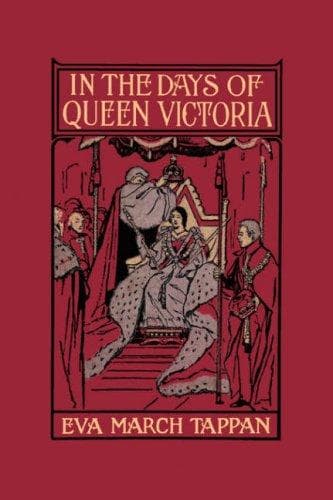
Great Britain -- History -- Victoria, 1837-1901 -- Fiction
Save the sovereign herself, there was no woman in England whose death
would have affected the whole country so deeply. Statesmen recalled the
days when the Duchess of Kent was left alone in a strange land, without
means, disliked by the reigning king, and weighed down by the
responsibility of educating a child to stand at the head of the nation.
In the character of their sovereign, they saw proof of the able,
devoted, conscientious manner in which this sacred duty had been
performed; and the address of sympathy sent by Parliament to the
sorrowing Queen was as sincere as if it had been written by a personal
friend, and not by a body of lawmakers. "It is a great sorrow to me not
to have Feodore with me now," wrote the Queen to King Leopold; but
neither he nor the Princess Hohenlohe was able to be present at the
last services.
"I cannot imagine life without her," said the Queen sadly; but
nevertheless, life had to go on. Others may sometimes stop to mourn,
but the duties of a sovereign may not be neglected even for sorrow. A
new cause of anxiety had arisen that came nearer home than even the
sufferings of the Crimean soldiers. War had broken out in the United
States, and the supply of cotton to England was rapidly diminishing. If
the cotton supply failed entirely, the mills of England would have to
stop; many thousands of spinners and weavers would have no work; and
the sufferings of the manufacturing districts would be intense. The
government made an earnest effort to increase the amount of cotton
imported to England from India; but the emergency was so sudden that
even during the first few months of the war, there were many honest,
hard-working people in England who were sorely in need.
Public-domain text, read in full here on John Shaqi.
Reviews
Reviews
No reviews yet
Be the first to share your thoughts on this work.
Elsewhere in the archive
Join the Discussion
Join the discussion
Sign in to leave a comment or review.
Sign InorCreate an account