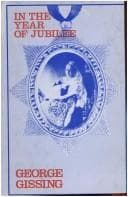
English fiction -- 19th century; Victoria, Queen of Great Britain, 1819-1901 -- Fiction
‘There is a word I must speak,’ pursued Jessica. ‘If you will not heed
it now, it will remain in your memory, and bear fruit at the appointed
time. I alone know of the sin which poisons your soul, and the
experiences through which I have passed justify me in calling you to
repentance.’
Nancy raised her hand.
‘Stop! That is quite enough. Perhaps you are behaving conscientiously;
I will try to believe it. But not another word, or I shall speak as I
don’t wish to.’
‘It is enough. You know very well what I refer to. Don’t imagine that
because you are now a married woman--’
Nancy stepped to the door, and threw it open.
‘Leave the house,’ she said, in an unsteady tone. ‘You said you were
unwelcome, and it was true. Take yourself out of my sight!’
Jessica put her head back, murmured some inaudible words, and with a
smile of rancorous compassion went forth into the rain.
On recovering from the excitement of this scene, Nancy regretted her
severity; the poor girl in the hideous bonnet had fallen very low,
and her state of mind called for forbearance. The treachery for
which Jessica sought pardon was easy to forgive; not so, however, the
impertinent rebuke, which struck at a weak place in Nancy’s conscience.
Just when the course of time and favour of circumstances seemed to
have completely healed that old wound, Jessica, with her crazy malice
grotesquely disguised, came to revive the half-forgotten pangs, the
shame and the doubt that had seemed to be things gone by. It would have
become her, Nancy felt, to treat her hapless friend of years ago in a
spirit of gentle tolerance; that she could not do so proved her--and
she recognised the fact--still immature, still a backward pupil in the
school of life.--‘And in the Jubilee year I thought myself a decidedly
accomplished person!’
Never mind. Her husband would come this evening. Of him she could learn
without humiliation.
His arrival was later than of wont. Only at eleven o’clock, when with
disappointment she had laid aside her book to go to bed, did Tarrant’s
rap sound on the window.
‘I had given you up,’ said Nancy.
‘Yet you are quite good-tempered.’
‘Why not?’
‘It is the pleasant custom of wives to make a husband uncomfortable if
he comes late.’
‘Then I am no true wife!’ laughed Nancy.
‘Something much better,’ Tarrant muttered, as he threw off his overcoat.
He began to talk of ordinary affairs, and nearly half-an-hour elapsed
before any mention was made of the event that had bettered their
prospects. Nancy looked over a piece of his writing in an evening paper
which he had brought; but she could not read it with attention. The
paper fell to her lap, and she sat silent. Clearly, Tarrant would not
be the first to speak of what was in both their minds. The clock ticked;
the rain pattered without; the journalist smoked his pipe and looked
thoughtfully at the ceiling.
‘Are you sorry,’ Nancy asked, ‘that I am no longer penniless?’
Public-domain text, read in full here on John Shaqi.
Reviews
Reviews
No reviews yet
Be the first to share your thoughts on this work.
Elsewhere in the archive
Join the Discussion
Join the discussion
Sign in to leave a comment or review.
Sign InorCreate an account