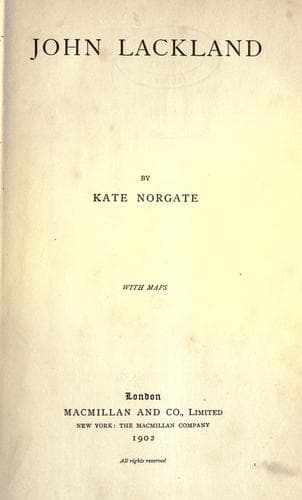
Great Britain -- History -- John, 1199-1216; Great Britain -- Kings and rulers -- Biography; John, King of England, 1167-1216
Other influences were working in the same direction. Even without the
special warnings which he had received at Nottingham, John must have
been well aware that he had, as Roger of Wendover says, “almost as many
enemies as he had barons.”[770] The question was only how soon their
silent hate would break out in open defiance, and whether he could once
more terrify or beguile them into submission before the smouldering
embers of their discontent were kindled into a general conflagration
by Innocent’s anathema and Peter’s prophecy. On reaching London he
addressed to all those whose fidelity he suspected a new demand for
hostages, “that he might prove who would and who would not obey his
orders.” The response showed that he was even yet stronger than he
himself had dared to believe. From many of these men he had already
had hostages in his keeping for years; several of them had suffered
in their family relations a far deeper injury at his hands; yet once
again, at his bidding, they gave up to him sons, nephews, kinsmen, “as
many as he would, not daring to resist his commands.”[771] Eustace de
Vesci and Robert Fitz-Walter alone refused all purgation, and fled,
the one to Scotland, the other to France; their castles were seized,
their lands confiscated, and themselves outlawed.[772] With his own
servants and clerks the king dealt in yet more summary fashion; those
among them whom he suspected were arrested and cast into prison.[773]
Fresh humiliations were heaped upon the clergy. The Cistercians are
said to have been mulcted of twenty-two thousand pounds in punishment
for the help which they were supposed to have given to the enemies of
Raymond of Toulouse;[774] and all the English clergy, both regular
and secular, were forced to set their hands to a deed whereby they
renounced all pecuniary claims against the king, and declared that
all the money which he had had from them since his accession was a
free and voluntary gift.[775] On the other hand, John was taking some
pains to conciliate the people. He checked the severity of the Forest
administration. He forbade the extortions practised by his officers on
merchants and pilgrims. “Moreover, he is said to have showed mercy on
widows, and done what in him lay to promote peace in temporal affairs.”
Sternness and conciliation alike did their work. Again “the land kept
silence”;[776] and it seems that the first sound which broke the
silence was a declaration of the barons in favour of the king.
Public-domain text, read in full here on John Shaqi.
Reviews
Reviews
No reviews yet
Be the first to share your thoughts on this work.
Elsewhere in the archive
Join the Discussion
Join the discussion
Sign in to leave a comment or review.
Sign InorCreate an account