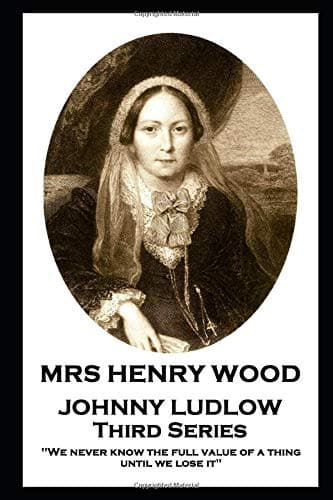
England -- Social life and customs -- 19th century -- Fiction; Short stories, English
"No, I do not," laughed Miss Deveen. "I say that it appears hard to us
when our days of youth are passing, and when we see our companions
chosen and ourselves left: but, rely upon it, Helen, as we advance in
years, we acquiesce in the decree; many of us learning to be thankful
for it."
"And you young people little think what great cause you have to be
thankful for it," cried Lady Whitney, all in a heat. "Marriage brings a
bushel of cares: and no one knows what anxiety boys and girls entail
until they come."
Miss Deveen nodded emphatically. "It is very true. I would not exchange
my present lot with that of the best wife in England; believe that, or
not, as you will, Helen. Of all the different states this busy earth can
produce, a lot such as mine is assuredly the most exempt from trouble.
And, my dear, if you are destined never to marry, you have a great deal
more cause to be thankful than rebellious."
"The other day, when you were preaching to us, you told us that trouble
came for our benefit," grumbled Helen, passing into rebellion forthwith.
"I remember it," assented Miss Deveen, "and very true it is. My
heart has sickened before now at witnessing the troubles, apparently
unmerited, that some people, whether married or single, have to undergo;
and I might have been almost tempted to question the loving-kindness of
Heaven, but for remembering that we must through much tribulation enter
into the Kingdom."
Anna interrupted the silence that ensued. She came running up with a
handful of wild roses and sweetbriar, gathered in the hedge below. Miss
Deveen took them when offered to her, saying she thought of all flowers
the wild rose was the sweetest.
"How solemn you all look!" cried Anna.
"Don't we!" said Helen. "I have been having a lecture read to me."
"By whom?"
"Every one here--except Johnny Ludlow. And I am sure I hope _he_ was
edified. I wonder when tea is going to be ready!"
"Directly, I should say," said Anna: "for here comes Mrs. Ness with the
cups and saucers."
I ran forward to help her bring the things. Rednal's trim wife, a neat,
active woman with green eyes and a baby in her arms, was following with
plates of bread-and-butter and cake, and the news that the kettle was
"on the boil." Presently the table was spread; and William, who had come
back to us, took up the baby's whistle and blew a blast, prolonged and
shrill.
The stragglers heard it, understood it was the signal for their return,
and came flocking in. The Squire and Sir John said they had been sitting
under the trees and talking: our impression was, they had been sleeping.
The young Whitneys appeared in various stages of heat; Tod and
Featherston's nephew smelt of smoke. The first cups of tea had gone
round, and Tod was making for Rednal's cottage with a notice that the
bread-and-butter had come to an end, when I saw a delicate little
fair-haired face peering at us from amid the trees.
Public-domain text, read in full here on John Shaqi.
Reviews
Reviews
No reviews yet
Be the first to share your thoughts on this work.
Elsewhere in the archive
Join the Discussion
Join the discussion
Sign in to leave a comment or review.
Sign InorCreate an account