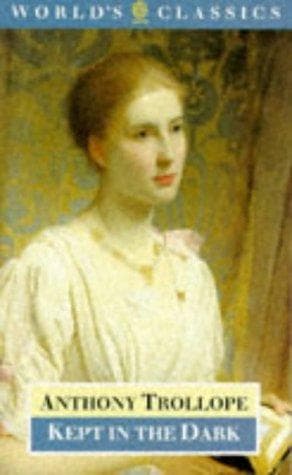
Domestic fiction; England -- Fiction; England -- Social life and customs -- 19th century -- Fiction; Married people -- Fiction
But of course I know that I am not wrong; and of course I am
flattered, and of course pleased. What I have seen of you I have
altogether liked, and I do not know why we should not be happy
together. But, marriage! marriage is a most important step,--as, no
doubt, you are well aware. Though I am quite earnest in what I am
saying, still I cannot but smile, and can fancy that you are smiling,
as though after all it were but a joke. However, give me but one week
to think of it all, and then I will answer you in sober earnest.
Yours ever (as you sign yourself),
F. A.
CHAPTER XVIII.
A MAN'S PRIDE.
About a week after Lady Grant had gone, Mrs. Western received a
letter from her husband. She had expected that he would write,
and had daily looked for the letter. But when it did come she did
not know whether to take it as a joy or a source of additional
discomfort. There was in it hardly a word of declared affection.
Nothing was said as to his future life or hers; but he did write, as
she thought, in a familiar and loving strain as to the event which
had yet to be expected for many months. "My sister has told me your
news," he said, "and I cannot but let you know how anxious I shall
be both for your safety and for that of the stranger. If there be
anything that I can do for your comfort, if you will ask me, you may
be sure that it will be done. I am still at Dresden, and have no idea
of immediately returning to England." There was no commencement to
this, nor any ending. He did not even sign his name, nor call her his
wife, or his dear Cecilia. Upon the whole she felt that it rather
confirmed her sentence of banishment than gave her reason for hope.
He had felt when he wrote it that he could not remain altogether
silent, but had yet determined to awaken no hopes by an assurance of
his returning love. "In fact, the letter," she said to her mother,
"must be taken as meaning nothing. He did not choose to subject
himself to the charge of having been indifferent to the coming of
such an event. But beyond this he had nothing to say to me." Poor
Mrs. Holt remained altogether silent when her daughter discussed the
subject. She knew that she could not speak without loud abuse, and
she knew also that her daughter would not allow her to abuse him.
Public-domain text, read in full here on John Shaqi.
Reviews
Reviews
No reviews yet
Be the first to share your thoughts on this work.
Elsewhere in the archive
Join the Discussion
Join the discussion
Sign in to leave a comment or review.
Sign InorCreate an account