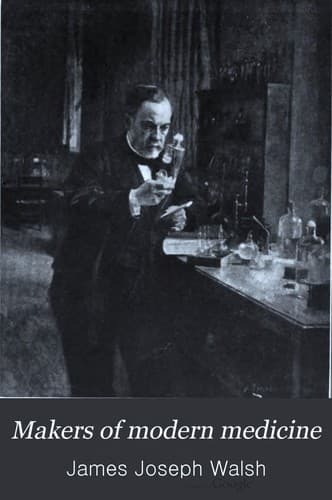
Makers of Modern MedicineWalsh, James J. (James Joseph)
History
Makers of Modern Medicine
Walsh, James J. (James Joseph)
Medicine -- Biography
cultivation, and the general intellectual advancement of the
student."
From this, it is to be feared that Dr. Stokes would have very little
sympathy with the specializing trend of modern medical education.
Certain it is that not thus were the medical giants of the old days
developed; but the times have changed; perhaps we should change with
them, only the danger of the change must be ever kept in mind so as to
avert, if possible, its most serious consequences at the first
warning.
While Stokes felt deeply for the Irish people, and the sad conditions
under which they were laboring, unfortunately, like many another
educated Irishman, he had very little active sympathy in any of the
movements for their relief. He was a man in early middle life when
O'Connell's agitation began, but he had no part in the movement. Later
on, when his personal friend, Isaac Butt, was engaged in his great
political work for Ireland, Stokes tried to dissuade him from it,
feeling that the arousing of the people to a realization of their
rights only led to a tighter riveting of their chains. Better judgment
has prevailed and now practically all classes are united in the Gaelic
movement, making it harder to understand Stokes' position, yet his is
a case for sympathy rather than blame. His heart was touched, but his
head could not see a happy issue for his countrymen, and so he
preferred to have them endure in patience rather than suffer further
ills through coercive measures.
Dr. Stokes realized, however, all the iniquity of the union of the
Irish and English parliaments, and a favorite story of his was told
with regard to one of the members of the Irish Parliament who sold
themselves to England. This member, finding that he was unnoticed in
the distribution of rewards after the passage of the Union, though
eighteen of his {197} fellow-members were raised to the peerage,
waited on the Secretary of State and in an injured tone complained of
having been neglected. The Secretary answered in the blandest manner:
"The government, sir, is most anxious to do all it can to assist those
who supported it. What is the object of your ambition?"
"Make me aqual to the rest of the blackguards," was the prompt reply
of this conscientious legislator.
Stokes used to add: "History does not tell if his quite reasonable
request was granted."
Public-domain text, read in full here on John Shaqi.
Reviews
Reviews
No reviews yet
Be the first to share your thoughts on this work.
Elsewhere in the archive
Join the Discussion
Join the discussion
Sign in to leave a comment or review.
Sign InorCreate an account