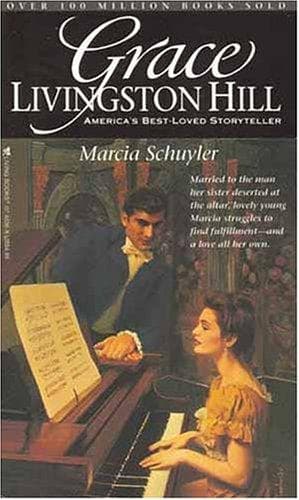
The sound covered the lifting of the side door latch and the quiet step of
a foot. Marcia was absorbed in her own thoughts. Her smothered sobs were
mingling with the dying sounds of the music, still audible to her fine
ear.
David had come by instinct to his own home first. He felt that Marcia
would be there, and now that he was come and the morning sun flooded
everything and made home look so good he felt that he must find her first
of all before his relationship with home had been re-established. He
passed through kitchen, dining room and hall, and by the closed parlor
door. He never thought of her being in there with the door closed. He
glanced into the library and saw the book lying in his chair as she had
left it, and it gave a touch of her presence which pleased him. He went
softly toward the stairs thinking to find her. He had stopped at a shop
the last thing and bought a beautiful creamy shawl of China crêpe heavily
embroidered, and finished with long silken fringe. He had taken it from
his carpet-bag and was carrying it in its rice paper wrappings lest it
should be crushed. He was pleased as a child at the present he had brought
her, and felt strangely shy about giving it to her.
Just then there came a sound from the parlor, sweet and tender and
plaintive. Marcia had conquered her sobs and was singing again with her
whole soul, singing as if she were singing to David. The words drew him
strangely, wonderingly toward the parlor door, yet so softly that he heard
every syllable.
“Dearest, believe,
When e’er we part:
Lonely I grieve,
In my sad heart:—
Thy faithful slave,
Languishing sighs,
Haste then and save—”
Here the words trailed away again into a half sob, and the melody
continued in broken, halting chords that flickered out and faded into the
shadows of the room.
David’s heart was pierced with a belief that Aunt Clarinda was right and
something was the matter with Marcia. A great trouble and tenderness, and
almost jealousy, leaped up in his heart which were incomprehensible to
him. Who was Marcia singing this song for? That it was a true cry from a
lonely soul he could but believe. Was she feeling her prison-bars here in
the lonely old house with only a forlorn man whose life and love had been
thrown away upon another? Poor child! Poor child! If he might but save her
from suffering, cover her with his own tenderness and make her content
with that. Would it be possible if he devoted himself to it to make her
forget the one for whom she was sighing; to bring peace and a certain sort
of sweet forgetfulness and interest in other things into her life? He
wanted to make a new life for her, his little girl whom he had so
unthinkingly torn from the home nest and her future, and compelled to take
up his barren way with him. He would make it up to her if such a thing
were possible. Then he opened the door.
Public-domain text, read in full here on John Shaqi.
Reviews
Reviews
No reviews yet
Be the first to share your thoughts on this work.
Elsewhere in the archive
Join the Discussion
Join the discussion
Sign in to leave a comment or review.
Sign InorCreate an account