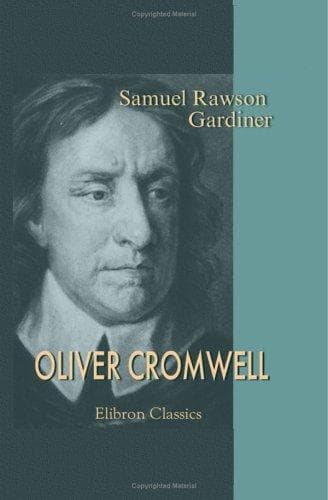
Cromwell, Oliver, 1599-1658; Great Britain -- History -- Commonwealth and Protectorate, 1649-1660
As to the Major-Generals themselves, they were soon instructed to
tighten the reins of discipline, co-operating with willing and
spurring unwilling magistrates to suppress not merely treason and
rebellion, but vice and immorality. Their orders were to put down
horse-racing, cock-fighting and other sports which brought together
crowds of doubtful fidelity to the Government. They were told to
promote godliness and virtue, and to see to the execution of the laws
against drunkenness, blasphemy, swearing, play-acting, profanation
of the Lord's Day, and so forth; and also to put down gaming-houses
in Westminster and ale-houses in the country, lest evil and factious
men should congregate in them. They were to keep an open eye on
the beneficed clergy, calling for the ejection of those who either
showed tendencies favourable to the Book of Common Prayer, or brought
disgrace by laxity of conduct on the Puritanism they professed. During
the first six or nine months of 1656, when these men ruled supreme,
the anti-Puritan fervour which was before long to lay low both the
Protectorate and the Commonwealth, ceased to be the special note of
particular classes and rooted itself in general society, far outside
the circle of ordinary royalism.
CHAPTER VI.
A PARLIAMENTARY CONSTITUTION.
It was all the worse for Oliver from the financial point of view,
that he was now pursuing a foreign policy which--whatever opinion we
may have of it on other grounds--at least increased the burdens of
the nation to a point at which Englishmen began to grow restive. Even
before the signature of the Dutch peace in the spring of 1654, Oliver
had cast about in his mind for a foreign policy, and it was only on
rare occasions that he appears to have contemplated the possibility
of keeping peace with all nations unless he were compelled to engage
in war in defence of the honour or interests of the country. He
seems to have regarded the victorious fleet bequeathed to him by the
Commonwealth and the victorious army which he had done more than any
other man to forge into an instrument of dominion, as inviting him to
choose an enemy to be the object of his defiance, rather than sure
guards for the country which he ruled. The sword itself drew on the
man, and the weakness of the two great Continental nations, France and
Spain, embroiled in an internecine war, each coveting the alliance of
England, and each dreading her enmity, increased its attractive power.
Public-domain text, read in full here on John Shaqi.
Reviews
Reviews
No reviews yet
Be the first to share your thoughts on this work.
Elsewhere in the archive
Join the Discussion
Join the discussion
Sign in to leave a comment or review.
Sign InorCreate an account