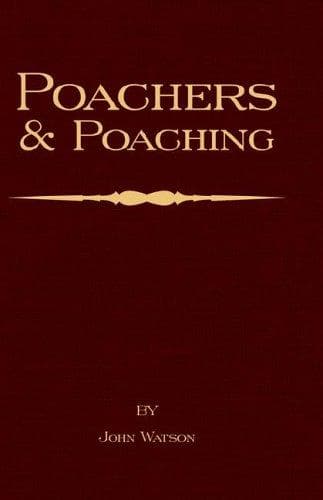
Poachers -- Great Britain; Poaching -- Great Britain
young birds, not the eggs, are taken; and on North Barra from two
thousand to three thousand birds are captured in a season. The
collector kills the gannets as they are taken from the nests, and they
are then thrown into the sea beneath, where a boat is in waiting to
pick them up. In the Faroes the people keep January 25 as a festival in
consequence of the return of the birds.
The difference in size and colour which the eggs of different birds
exhibit is even more apparent than the great diversity of shape. The
giant eggs of wild swans and geese, or the extinct great auk, are
tremendous when compared with those of the warblers and titmice; while
the egg of the golden-crested wren is smaller still. This, the smallest
British bird, is a mere fluff of feathers, and weighs only eighty
grains. The relative sizes of the eggs named are as a garden-pea to a
cocoanut. Another interesting phase of the subject is the number of
eggs laid by different species. The Solan goose, guillemot, cormorant,
shag, puffin, and others lay but one egg; whilst some of the tiny tits
have been known to produce as many as twenty. In this respect the
game-birds and wild-fowl are also prolific, and a partridge's nest
containing from fifteen to twenty eggs is not at all an uncommon
occurrence. Where a greater number of eggs than this is found, it is
probable that two females have laid in the same nest. Certain species,
again, habitually bred once, twice, or thrice a season; whilst others
less prolific have but a single egg, and lay but once during the year.
Public-domain text, read in full here on John Shaqi.
Reviews
Reviews
No reviews yet
Be the first to share your thoughts on this work.
Elsewhere in the archive
Join the Discussion
Join the discussion
Sign in to leave a comment or review.
Sign InorCreate an account