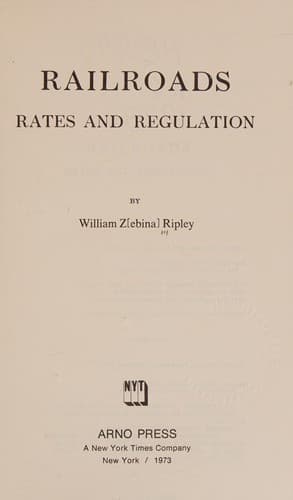
Railroads: Rates and RegulationsRipley, William Zebina
History
Railroads: Rates and Regulations
Ripley, William Zebina
Railroads -- Freight -- Rates -- United States; Railroads and state -- United States
The amount of reduction to be allowed on shipments by carload as
against consignments in small lots is a nice and most perplexing
problem in classification. Attention has already been directed to
the great increase in distinct carload ratings which has accompanied
the development of trade. As affecting the interests of shippers in
different parts of the country, the question came up almost immediately
after the passage of the Act to Regulate Commerce. In the so-called
New York Board of Trade case,[358] complaint was entered by eastern
merchants against a great increase in the number of wholesale ratings
in 1888. More than five times as many commodities as before were
abruptly given lower rates when shipped out of New York by the
carload. Inasmuch as a very large proportion of groceries and other
supplies went by box or package, this reduction accorded on carload
shipments greatly benefited the jobbers all through the West and South.
Under new conditions provincial middlemen could buy in carloads; and
then re-distribute from local centres much more advantageously than
before. The Commission, called upon to decide as to the relative rights
of these two classes of jobbers, attempted to bring about an adjustment
which should, in the main, conform to the existing trade conditions;
and yet should take into consideration the relative cost of service
in the two cases. The competitive struggle between eastern and both
southern and western dealers revealed in these early proceedings, has
cropped out continually in official proceedings ever since that time.
In a modified form the same question came to the front in connection
with the general advance of freight rates in 1900.[359] The changes at
this time were twofold--not only modifications in the number of carload
ratings, but also an altered differential or spread between the charges
for the two sorts of shipments. The question is a vital one to all the
shipping interests of the country. It is one of the most troublesome
elements in the establishment of a uniform classification for the
United States as a whole. For inability to standardize reasonable
differences between carload and small shipments, under the widely
different trade conditions and practices in various sections of the
country, is an almost insuperable difficulty in the way of that reform.
Public-domain text, read in full here on John Shaqi.
Reviews
Reviews
No reviews yet
Be the first to share your thoughts on this work.
Elsewhere in the archive
Join the Discussion
Join the discussion
Sign in to leave a comment or review.
Sign InorCreate an account