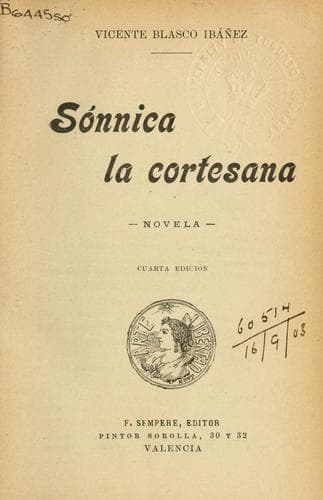
Sagunto (Spain) -- History -- Siege, 219-218 B.C. -- Fiction
A great stadium had been formed near the Bætis-Perkes in which the
principal citizens of Saguntum were to contest for the triumph. The
senators, on long benches, and guarded by a group of mercenaries,
presided over the festival. At one end of the race-track the sons of the
merchants and rich agriculturists, the entire youth of Saguntum, almost
nude, awaited the signal, leaning on their light lances, and holding the
bridles of their barebacked horses which snorted and champed the bit,
scenting the coming contest.
The signal to start was given, and placing their left feet on the
handles of their lances all sprang simultaneously upon their chargers,
dashing forward in a compact squadron along the track. The immense crowd
broke into acclamations at sight of the bizarre riders who leaning
forward almost lay on their horses' necks, as if forming a single body
with them, waving their lances, quickening their gallop with shouts, and
wrapped in a cloud of dust through which the multitude could barely make
out the straining legs and the bellies of the animals which were nearly
touching the ground. The wild race lasted long. The less skillful
riders, and those with poorer mounts, were being out-stripped; the
squadron was diminishing visibly. He who should remain longest on the
track, ever in advance of the others, would win the crown, and the
people made bets on the Celtiberian Alorcus, and on the Athenian Actæon
who figured from the first instant at the head of the riders.
The citizens who did not wish to wait in the sun for the end of the race
followed the river bank until they reached the walls, in the shade of
which the youths were wrestling or engaging in boxing matches in
competition for the prize for dexterity. Others of more pacific turn
went to the Forum, where beneath the porticos the young aristocrats were
competing for the laurel crown offered for the most skilled in music and
song. Seated on ivory chairs, attended by their handsome slave boys who
fanned them with branches of myrtle, Lachares and his friends played the
flute or thrummed the lyre, singing Greek verses with sweet and
effeminate intonations. In the gathering, some laughed, mimicking the
softness of their voices, but others, indignant, compelled silence,
overcome by the charm which art, even in this womanish guise, exercised
over their uncultured minds.
Late in the morning the clamor from the enthusiastic multitude filled
the broad space of the Forum like reverberating thunder. It was the
people returning from the races, acclaiming the victor. The arrogant
Alorcus, dragged off the back of his horse, was borne on the shoulders
of the most enthusiastic. The olive crown encircled his tossed and dusty
hair. Actæon was beside him, celebrating his triumph fraternally,
without a touch of envy.
Public-domain text, read in full here on John Shaqi.
Reviews
Reviews
No reviews yet
Be the first to share your thoughts on this work.
Elsewhere in the archive
Join the Discussion
Join the discussion
Sign in to leave a comment or review.
Sign InorCreate an account