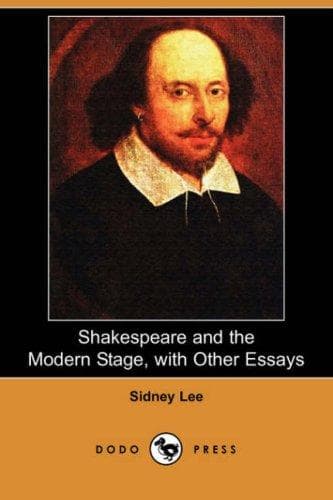
Shakespeare and the Modern Stage; with Other EssaysLee, Sidney, Sir
History
Shakespeare and the Modern Stage; with Other Essays
Lee, Sidney, Sir
Shakespeare, William, 1564-1616; Shakespeare, William, 1564-1616 -- Stage history
The one notable exception is John Ward, a seventeenth-century vicar of
Stratford, who settled there in 1662, at the age of thirty-three,
forty-six years after Shakespeare's death. Ward remained at Stratford
till his death in 1681. He is the only resident of the century who
wrote down any of the local story. Ward was a man of good sentiment.
He judged that it became a vicar of Stratford to know his Shakespeare
well, and one of his private reminders for his own conduct
runs--"Remember to peruse Shakespeare's plays, and bee much versed in
them, that I may not bee ignorant in that matter."
Ward was a voluminous diarist and a faithful chronicler as far as he
cared to go. Shakespeare's last surviving daughter, Judith Quiney, was
dying when he arrived in Stratford; but sons of Shakespeare's sister,
Mistress Joan Hart, were still living in the poet's birthplace in
Henley Street. Ward seems, too, to have known Lady Barnard,
Shakespeare's only grandchild and last surviving descendant, who,
although she only occasionally visited Stratford after her second
marriage in 1649 and her removal to her husband's residence at
Abington, near the town of Northampton, retained much property in her
native place till her death in 1670. Ward reported from local
conversation six important details, viz., that Shakespeare retired to
Stratford in his elder days; that he wrote at the most active period
of his life two plays a year; that he made so large an income from his
dramas that "he spent at the rate of L1000 a year"; that he
entertained his literary friends Drayton and Jonson at "a merry
meeting" shortly before his death, and that he died of its effects.
Oxford, which was only thirty-six miles distant, supplied the majority
of Stratford tourists, who, before Betterton, gathered oral tradition
there. Aubrey, the Oxford gossip, roughly noted six local items other
than those which are embodied in Ward's diary, or are to be gleaned
from Beeston's reminiscences, viz., that Shakespeare had as a lad
helped his father in his trade of butcher; that one of the poet's
companions in boyhood, who died young, had almost as extraordinary a
"natural wit"; that Shakespeare betrayed very early signs of poetic
genius; that he paid annual visits to his native place when his career
was at its height; that he loved at tavern meetings in the town to
chaff John Combe, the richest of his fellow-townsmen, who was accused
of usurious practices; and finally, that he died possessed of a
substantial fortune.
Public-domain text, read in full here on John Shaqi.
Reviews
Reviews
No reviews yet
Be the first to share your thoughts on this work.
Elsewhere in the archive
Join the Discussion
Join the discussion
Sign in to leave a comment or review.
Sign InorCreate an account