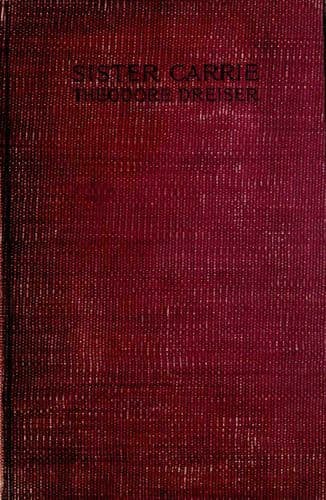
Chicago (Ill.) -- Fiction; Didactic fiction; Mistresses -- Fiction; New York (N.Y.) -- Fiction; Young women -- Fiction
To her credit, be it said, she never once counted on Hurstwood. She
could only approach that subject with a pang of sorrow and regret. For a
truth, she was rather shocked and frightened by this evidence of human
depravity. He would have tricked her without turning an eyelash. She
would have been led into a newer and worse situation. And yet she could
not keep out the pictures of his looks and manners. Only this one deed
seemed strange and miserable. It contrasted sharply with all she felt
and knew concerning the man.
But she was alone. That was the greater thought just at present. How
about that? Would she go out to work again? Would she begin to look
around in the business district? The stage! Oh, yes. Drouet had spoken
about that. Was there any hope there? She moved to and fro, in deep and
varied thoughts, while the minutes slipped away and night fell
completely. She had had nothing to eat, and yet there she sat, thinking
it over.
She remembered that she was hungry and went to the little cupboard in
the rear room where were the remains of one of their breakfasts. She
looked at these things with certain misgivings. The contemplation of
food had more significance than usual.
While she was eating she began to wonder how much money she had. It
struck her as exceedingly important, and without ado she went to look
for her purse. It was on the dresser, and in it were seven dollars in
bills and some change. She quailed as she thought of the insignificance
of the amount and rejoiced because the rent was paid until the end of
the month. She began also to think what she would have done if she had
gone out into the street when she first started. By the side of that
situation, as she looked at it now, the present seemed agreeable. She
had a little time at least, and then, perhaps, everything would come out
all right, after all.
Drouet had gone, but what of it? He did not seem seriously angry. He
only acted as if he were huffy. He would come back--of course he would.
There was his cane in the corner. Here was one of his collars. He had
left his light overcoat in the wardrobe. She looked about and tried to
assure herself with the sight of a dozen such details, but, alas, the
secondary thought arrived. Supposing he did come back. Then what?
Here was another proposition nearly, if not quite, as disturbing. She
would have to talk with and explain to him. He would want her to admit
that he was right. It would be impossible for her to live with him.
On Friday Carrie remembered her appointment with Hurstwood, and the
passing of the hour when she should, by all right of promise, have been
in his company served to keep the calamity which had befallen her
exceedingly fresh and clear. In her nervousness and stress of mind she
felt it necessary to act, and consequently put on a brown street dress,
and at eleven o'clock started to visit the business portion once again.
She must look for work.
Public-domain text, read in full here on John Shaqi.
Reviews
Reviews
No reviews yet
Be the first to share your thoughts on this work.
Elsewhere in the archive
Join the Discussion
Join the discussion
Sign in to leave a comment or review.
Sign InorCreate an account