Sketch of the Reformation in EnglandBlunt, John J. (John James)
History
Sketch of the Reformation in England
Blunt, John J. (John James)
Great Britain -- Church history; Reformation -- England
Here, then, were the beginnings of sorrows laid up in store for the
hapless Charles, and the church of which he was the head, and, in
his later and more sobered years, the ornament. Now was the nation
fly-blown; and it was only wanted that the days should be fulfilled
when the hornets would take wing, and sting it into madness. So true
it is that the sin of a government, like that of an individual, does
eventually find it out. Long it may tarry before it manifests itself
in its effects, but a century in the life of a nation is but a span;
and he who destroyed the Amalekites in the time of Saul for the
transgression of the Amalekites in the time of Moses, suffering his
wrath to sleep four hundred years, and then to burst out, is still the
God of the nations, and deals with them still after the same fashion,
though the natural consequences of the offence may serve Him for
the ministers of his tardy vengeance. For what had the church under
its new discipline and organisation to oppose to these restless and
inquisitive spirits? Could it not meet the evil, and extinguish it,
whilst it was yet done in the green tree? Alas! its clergy were unfit
for so delicate and difficult a work. The Reformation, owing to the
violence which had attended and disgraced a noble cause, had depressed
them as a body; doubtless there were of their number many most able
men; none greater than some of them have been since born of woman;
but with the generality it was very far otherwise. The impropriation
system now began to tell its tale. The universities and schools had
been comparatively deserted. It was with extreme difficulty that men
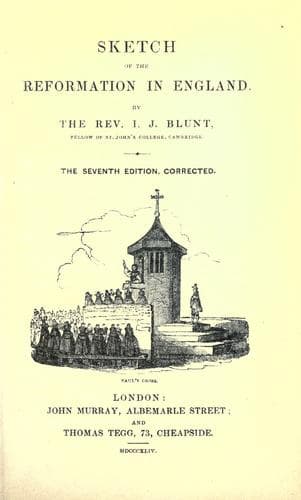
could now be found to preach at Paul’s Cross, once the object of so
much clerical ambition. About the year 1544, Bonner writes to Parker,
then master of Corpus, importuning him to send him help from Cambridge,
and expressing his surprise that candidates should be lacking for such
an office.[292]--“I think there be at this day,” says Latimer, in the
middle of Edward VI.’s reign, “ten thousand students less than were
within these twenty years.”[293] The clerical profession no longer held
out the same inducements to men of liberal acquirements and liberal
minds to enter it. A very considerable proportion of the parishes of
England were served by priests utterly ignorant and unlettered. The
patrons had given their benefices to their menials as wages; to their
gardeners, to the keepers of their hawks and hounds--these were the
incumbents;[294] or else, they had let in fee both glebe and parsonage,
so that whoever was presented would have neither roof to dwell under
nor land to live upon, but too happy if his vicarial tithes afforded
him a chamber at an alehouse, and the worshipful society of the
dicers and drinkers who frequented it;[295] nay, perhaps himself the
landlord.[296] The questions addressed by Bishop Hooper to his clergy
on his primary visitation are but too sadly characteristic of the
Public-domain text, read in full here on John Shaqi.
Reviews
Reviews
No reviews yet
Be the first to share your thoughts on this work.
Elsewhere in the archive
Join the Discussion
Join the discussion
Sign in to leave a comment or review.
Sign InorCreate an account