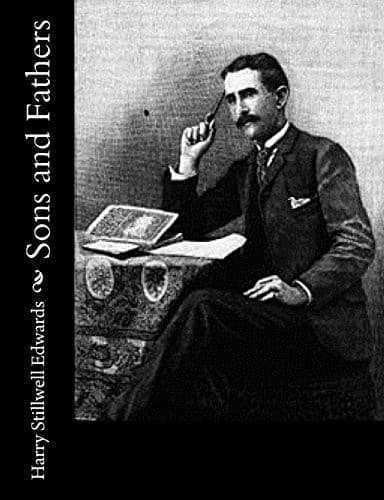
Mystery fiction; Race relations -- Fiction; Southern States -- Fiction
Edward Morgan linked himself to others in that hour with strands
stronger than steel. Even the little Duchess felt the charm and power of
that violin in the hands of the artist. Wondering, she came to him and
stretched up her little hands. He took her upon his knee then, and,
holding the instrument under her chin and her hands in his, awoke a
little lullaby that had impressed him. As he sang the words, the girl
smiled into the faces of the company.
"Look, gamma," she said gleefully; "look!" And she, lifting her face,
said gently:
"Yes, dear; gamma is looking." Mary's face was quickly averted; the
hands of the colonel tightened upon the hand he held.
The Duchess had learned to sing "Rockaby Baby" and now she lifted her
thin, piping voice, the player readily following, and sang sweetly all
the verses she could remember. Mary took her in her arms when tired, and
Edward let the strains run on slower and softer. The eyes of the little
one drooped wearily, and then as the player, his gaze fixed upon the
little scene, drifted away into "Home, Sweet Home," they closed in
sleep. The blind woman still sat with her hand in her husband's, his
head bent forward until his forehead rested upon it.
CHAPTER XXX.
THE RAINBOW IN THE MIST.
Mary had lighted his room and handed him the lamp; "sweet sleep and
pleasant dreams," she had said, gravely bowing to him as she withdrew--a
family custom, as he had afterward learned. But the sleep was not sweet
nor the dreams pleasant. Excited and disturbed he dozed away the hours
and was glad when the plantation bell rang its early summons. He dressed
and made his way to the veranda, whence he wandered over the flower
garden, intercepting the colonel, who was about to take his morning look
about. Courteously leaving his horse at the gate that gentleman went on
foot with him. It was Edward's first experience on a plantation and he
viewed with lively interest the beginning of the day's labor. Cotton was
opening and numbers of negroes, old and young, were assembling with
baskets and sacks or moving out with a show of industry, for, as it was
explained to him, it is easy to get them early started in cotton-picking
time, as the work is done by the hundred pounds and the morning dew
counts for a great deal. "Many people deduct for that," said Montjoy,
"but I prefer not to. Lazy and trifling as he is, the negro is but
poorly paid."
"But," said Edward, laughing, "you do not sell the dew, I suppose?"
"No. Generally it evaporates, but if it does not the warehouse deducts
for it."
Public-domain text, read in full here on John Shaqi.
Reviews
Reviews
No reviews yet
Be the first to share your thoughts on this work.
Elsewhere in the archive
Join the Discussion
Join the discussion
Sign in to leave a comment or review.
Sign InorCreate an account