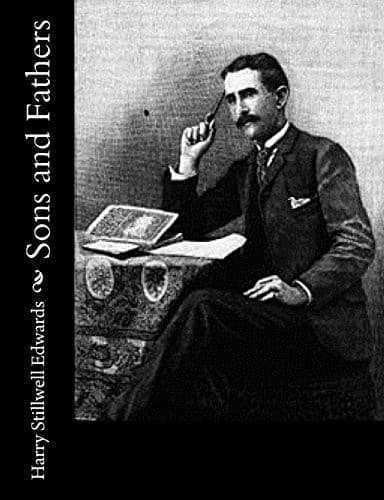
Mystery fiction; Race relations -- Fiction; Southern States -- Fiction
Barksdale reflected a moment and then said: "Do not misunderstand my
hesitation; it is not based upon the publication, nor upon unwillingness
to serve you. I am considering the complications which may involve
others; I must, in fact, consult others before I can reply. In the
meantime will you be guided by me?"
"I will."
"You are armed and contemplating a very unwise act. Leave your weapon
here and take a hack home and remain there until I call. It is now 3:30
o'clock. I will be there at 8. If I do not act for you I will suggest a
friend, for this matter should not lie over-night. But under no
circumstances can I go upon the field; my position here involves
interests covering many hundreds of thousands of invested funds, which I
have induced. Dueling is clearly out of vogue in this country and
clearly illegal. For the president of a railroad to go publicly into a
duel and deliberately break the law would lessen public confidence in
the north in both him and his business character and affect the future
of his enterprise, the value of its stocks and bonds. You admit the
reasonableness of this, do you not?"
"I do. There is my weapon! I will expect you at 8. Good evening, Mr.
Barksdale."
The hours wore slowly away at home. Edward studied his features in the
cheval glass; he could not find in them the slightest resemblance to the
woman in the picture. He had not erred in that. The absence of any
portrait of John Morgan prevented his making a comparison there. He knew
from descriptions given by Eldridge that he was not very like him in
form or in any way that he could imagine, but family likeness is an
elusive fact. Two people will resemble each other, although they may
differ in features taken in detail.
He went to Gerald's room, moved by a sudden impulse. Gerald was
demonstrating one of his theories concerning mind pictures and found in
the professor a smiling and tolerant listener.
He was saying: "Now, let us suppose that from youth up a child has
looked into its mother's face, felt her touch, heard her voice; that his
senses carried to that forming brain their sensations, each nerve
touching the brain, and with minute force setting up day by day, month
by month, and year by year a model. Yes, go back further and remember
that this was going on before the child was a distinct individual; we
have the creative force in both stages! Tell me, is it impossible then
that this little brain shall grow into the likeness it carries as its
most serious impression, and that forced to the effort would on canvas
or in its posterity produce the picture it has made----"
"How can you distinguish the mind picture from the memory picture? What
is the difference?"
Public-domain text, read in full here on John Shaqi.
Reviews
Reviews
No reviews yet
Be the first to share your thoughts on this work.
Elsewhere in the archive
Join the Discussion
Join the discussion
Sign in to leave a comment or review.
Sign InorCreate an account