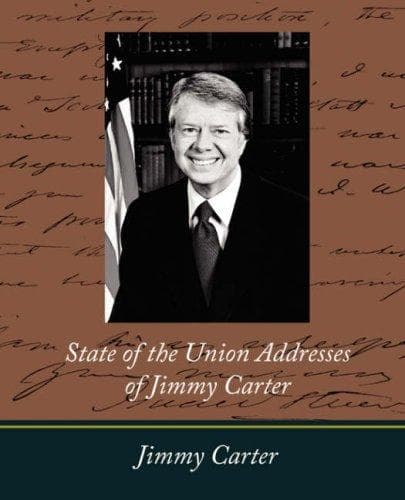
Presidents -- United States -- Messages; United States -- Politics and government -- Sources
The other part of my reform program covers the regulations that are needed
to protect the health, safety, and welfare of our citizens. For these
regulations, my Administration has created a management program to cut
costs without sacrificing goals. Under my Executive Order 12044, we
required agencies to analyze the costs of their major new rules and
consider alternative approaches, such as performance standards and
voluntary codes, that may make rules less costly and more flexible. We
created the Regulatory Analysis Review Group in the White House to analyze
the most costly proposed new rules and find ways to improve them. The
Regulatory Council was established to provide the first Government-wide
listing of upcoming rules and eliminate overlapping and conflicting
regulations. Agencies have launched "sunset" programs to weed out outmoded
old regulations. We have acted to encourage public participation in
regulatory decision-making.
These steps have already saved billions of dollars in regulatory costs and
slashed thousands of outmoded regulations. We are moving steadily toward a
regulatory system that provides needed protections fairly, predictably, and
at minimum cost.
I urge Congress to continue on this steady path and resist the simplistic
solutions that have been proposed as alternatives. Proposals like
legislative veto and increased judicial review will add another layer to
the regulatory process, making it more cumbersome and inefficient. The
right approach to reform is to improve the individual statutes, where they
need change, and to ensure that the regulatory agencies implement those
statutes sensibly.
PAPERWORK REDUCTION
The Federal Government imposes a huge paperwork burden on business, local
government, and the private sector. Many of these forms are needed for
vital government functions, but others are duplicative, overly complex or
obsolete.
During my Administration we cut the paperwork burden by 15 percent, and we
created procedures to continue this progress. The new Paperwork Reduction
Act centralizes, in OMB, oversight of all agencies' information
requirements and strengthens OMB's authority to eliminate needless forms.
The "paperwork budget" process, which I established by executive order,
applies the discipline of the budget process to the hours of reporting time
imposed on the public, forcing agencies to scrutinize all their forms each
year. With effective implementation, these steps should allow further,
substantial paperwork cuts in the years ahead.
TIGHTENING STANDARDS FOR GOVERNMENTAL EFFICIENCY AND INTEGRITY
Public-domain text, read in full here on John Shaqi.
Reviews
Reviews
No reviews yet
Be the first to share your thoughts on this work.
Elsewhere in the archive
Join the Discussion
Join the discussion
Sign in to leave a comment or review.
Sign InorCreate an account