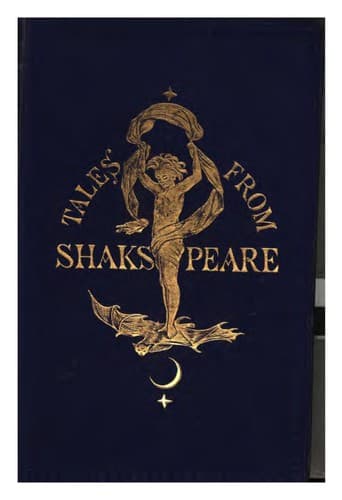
Shakespeare, William, 1564-1616 -- Adaptations; Shakespeare, William, 1564-1616 -- Stories, plots, etc. -- Juvenile literature
If a poet had composed a work which wanted a recommendatory
introduction to the world, he had no more to do but to dedicate
it to Lord Timon, and the poem was sure of sale, besides a
present purse from the patron, and daily access to his house and
table. If a painter had a picture to dispose of he had only to
take it to Lord Timon and pretend to consult his taste as to the
merits of it; nothing more was wanting to persuade the liberal-
hearted lord to buy it. If a jeweler had a stone of price, or a
mercer rich, costly stuffs, which for their costliness lay upon
his hands, Lord Timon’s house was a ready mart always open, where
they might get off their wares or their jewelry at any price, and
the good-natured lord would thank them into the bargain, as if
they had done him a piece of courtesy in letting him have the
refusal of such precious commodities. So that by this means his
house was thronged with superfluous purchases, of no use but to
swell uneasy and ostentatious pomp; and his person was still more
inconveniently beset with a crowd of these idle visitors, lying
poets, painters, sharking tradesmen, lords, ladies, needy
courtiers, and expectants, who continually filled his lobbies,
raining their fulsome flatteries in whispers in his ears,
sacrificing to him with adulation as to a God, making sacred the
very stirrup by which he mounted his horse, and seeming as though
they drank the free air but through his permission and bounty.
Some of these daily dependents were young men of birth who (their
means not answering to their extravagance) had been put in prison
by creditors and redeemed thence by Lord Timon; these young
prodigals thenceforward fastened upon his lordship, as if by
common sympathy he were necessarily endeared to all such
spendthrifts and loose livers, who, not being able to follow him
in his wealth, found it easier to copy him in prodigality and
copious spending of what was their own. One of these flesh-flies
was Ventidius, for whose debts, unjustly contracted, Timon but
lately had paid down the sum of five talents.
Public-domain text, read in full here on John Shaqi.
Reviews
Reviews
No reviews yet
Be the first to share your thoughts on this work.
Elsewhere in the archive
Join the Discussion
Join the discussion
Sign in to leave a comment or review.
Sign InorCreate an account