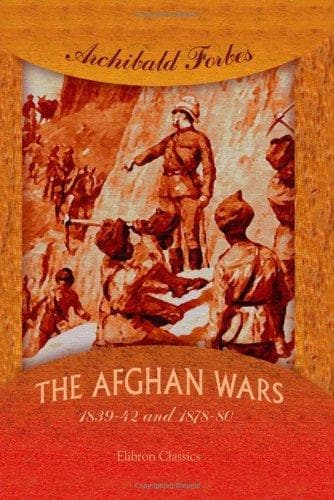
The Afghan Wars 1839-42 and 1878-80Forbes, Archibald
History
The Afghan Wars 1839-42 and 1878-80
Forbes, Archibald
Afghan Wars
When men are in earnest, difficulties and dangers are recognised only to
be coped with and overcome. When the Simla council of war broke up on
the afternoon of September 5th the plan of campaign had been settled,
and the leader of the enterprise had been chosen. Sir Frederick Roberts
was already deservedly esteemed one of the most brilliant soldiers of
the British army. He had fought with distinction all through the Great
Mutiny, earning the Victoria Cross and rapid promotion; he had served in
the Abyssinian campaign of 1868, and been chosen by Napier to carry home
his final despatches; and he had worthily shared in the toil, fighting,
and honours of the Umbeyla and Looshai expeditions. In his command of
the Kuram field force during the winter of 1878-9 he had proved himself
a skilful, resolute, and vigorous leader. The officers and men who
served under him believed in him enthusiastically, and, what with
soldiers is the convincing assurance of whole-souled confidence, they
had bestowed on him an affectionate nickname--they knew him among
themselves as 'little Bobs.' His administrative capacity he had proved
in the post of Quartermaster-General in India. Ripe in experience of
war, Roberts at the age of forty-seven was in the full vigour of
manhood, alert in mind, and of tough and enduring physique. He was a
very junior Major-General, but even among his seniors the conviction was
general that Lord Lytton the Viceroy, and Sir F. Haines the
Commander-in-Chief, acted wisely in entrusting to him the most active
command in the impending campaign.
Public-domain text, read in full here on John Shaqi.
Reviews
Reviews
No reviews yet
Be the first to share your thoughts on this work.
Elsewhere in the archive
Join the Discussion
Join the discussion
Sign in to leave a comment or review.
Sign InorCreate an account