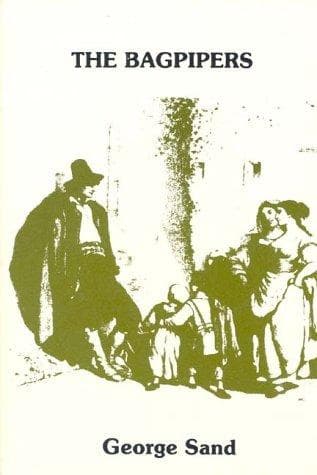
Country life -- Fiction; France -- Fiction; Love stories
"My dear daughter," said the Head-Woodsman, still detaining Joseph,
"I think we do better not to scold children until their minds are
quiet. Otherwise, they take things crookedly and do not profit by
rebuke. To my thinking Joseph has times of aberration; and if he
does not make honorable amends as readily as others do, it is perhaps
because he feels his wrong-doing and suffers more from his own
self-blame than from the blame of others. Set him an example of good
sense and kindness. It is not difficult to forgive when we are
happy, and you ought to be content to be loved as you are here. More
love you could not have; for I now know things of you which make me
hold you in such esteem that here are a pair of hands that will wring
the neck of whoever insults you deliberately. But that was not the
nature of Joseph's insult, which came from excitement, not
reflection, and shame followed so swiftly that his heart is now
making you full reparation. Come, Joseph, add your word to mine; I
ask no more than that of you; and Brulette too, will be satisfied,
will you not, my daughter?"
"You don't know him, father, if you think he will say that word,"
replied Brulette; "but I won't exact it, because I want, above all
things, to satisfy you. And so, Joseph, I forgive you, though you
don't care much about that. Stay and breakfast with us, and talk
about something else; what has happened is forgotten."
Joseph said not a word, but he took off his hat and laid down his
stick as if meaning to stay. The two girls re-entered the house to
prepare the meal, and Huriel, who took great care of his horse, began
to groom and currycomb him. I looked after Charlot, whom Brulette
handed over to my keeping; and the Head-Woodsman, wishing to divert
Joseph's mind, talked music, and praised the variations he had given
to his song.
"Never speak to me of that song again," said Joseph; "it can only
remind me of painful things, and I wish to forget it."
"Well then," said Père Bastien, "play me something of your own
composition, here and now, just as the thought comes to you."
Joseph led the way into the park, and we heard him in the distance
playing such sad and plaintive airs that his soul seemed really
prostrate with contrition and repentance.
"Do you hear him?" I said to Brulette; "that is certainly his way of
confessing, and if sorrow is a reparation, he gives you of his best."
Public-domain text, read in full here on John Shaqi.
Reviews
Reviews
No reviews yet
Be the first to share your thoughts on this work.
Elsewhere in the archive
Join the Discussion
Join the discussion
Sign in to leave a comment or review.
Sign InorCreate an account