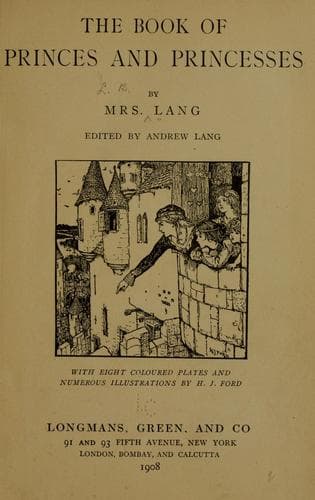
Shut up in the Tower, Richard had plenty of time to look back on the
events of the twenty-two years that his reign had lasted and to note the
folly and extravagance which had led to his ruin. Some friends he still
had, and of these the earl of Salisbury was the chief; but a little
while after this an effort made by the earl to assassinate Henry only
ended in his own death and in the death of the king he was so anxious to
save. The advice of Richard's attendants was to resign at once, lest
worse should befall them, and, bitter though it was to him, the king
felt that the counsel was good. Therefore he sent a message to Henry,
now living in his own house on the banks of the Thames, to say he would
like to speak with him. The duke, with a company of knights in
attendance, arrived in a barge, and was conducted to the king. Humbly
Richard confessed all the wrongs he had done him, and declared himself
ready to abdicate the throne in his favour. Henry replied that this must
be done in the presence of parliament and with the consent of its
representatives; but in three days a sufficient number of these could be
assembled for the purpose. Not being a generous man, he did not stop
there, but went on to point out that if Richard had followed in the
steps of his grandfather, Edward III., and of his father, the Black
Prince, all would have been well; instead, he had chosen to go his own
way without considering his people. 'Still,' cried Henry—and perhaps at
the moment he meant what he said—'out of pity I will defend you and
preserve your life from the hatred of the Londoners, who would have you
die.'
'I thank you, cousin,' replied Richard; 'I have more faith in you than
in the whole of England.'
---------------------
Public-domain text, read in full here on John Shaqi.
Reviews
Reviews
No reviews yet
Be the first to share your thoughts on this work.
Elsewhere in the archive
Join the Discussion
Join the discussion
Sign in to leave a comment or review.
Sign InorCreate an account