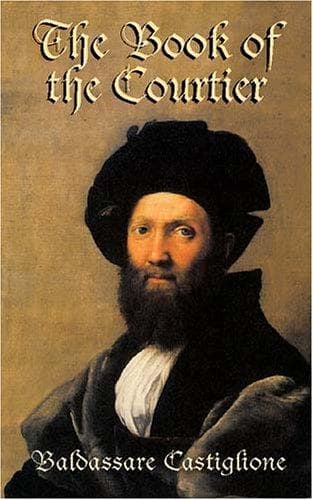
The Book of the CourtierCastiglione, Baldassarre, conte
History
The Book of the Courtier
Castiglione, Baldassarre, conte
Courtesy -- Early works to 1800; Courts and courtiers -- Early works to 1800
“These rules, my Lord,” replied messer Federico, “are so universal that
they fit and apply to everything. But I said there is no art in
pleasantries, because I think there are only two kinds of them to be
found: one of which stretches out in long and continuous talk, as we see
in the case of certain men who narrate and describe so gracefully and
amusingly something that has happened to them or that they have seen or
heard, that they set it before our eyes with gestures and words and
almost make us touch it with the hand; and for lack of other word, we
may perhaps call this the humourous or urbane manner. The other kind of
witticism is very short, and consists solely in sayings that are quick
and sharp, such as are often heard among us, or biting; nor are they
acceptable unless they sting a little. By the ancients also they were
called apothegms: at present some call them _arguzie_.[186]
“So I say that in the first kind, which is humourous narrative, there is
no need of any art, because nature herself creates and fashions men
fitted to narrate amusingly, and gives them features, gestures, voice
and words proper to imitate what they will. In the other kind, that of
_arguzie_, what can art avail? For whatever it be, a pungent saying must
dart forth and hit the mark before he who utters it shall seem to have
given it a thought; otherwise it is flat and has no savour. Therefore I
think it is all the work of intellect and nature.”
Then messer Pietro Bembo took up the talk, and said:
“My lord Prefect does not deny what you say, that nature and intellect
play the chief part, especially as regards conception. Still it is
certain that every man’s mind, however fine his intellect may be,
conceives both good things and bad, and more or less; yet judgment and
art then polish and correct them, and cull out the good and reject the
bad. So lay aside what pertains to intellect, and explain to us what
consists in art; that is, of the pleasantries and witticisms that excite
laughter, tell us what are befitting the Courtier and what are not, and
in what time and way they should be used; for this is what my lord
Prefect asks of you.”
44.—Then messer Federico said laughingly:
“There is no one of us here to whom I do not yield in everything, and
especially in being jocular; unless perhaps nonsense, which often makes
others laugh more than bright sayings, be also counted as pleasantry.”
And then turning to Count Ludovico and to messer Bernardo Bibbiena, he
said: “Here are the masters of witticism, from whom I must first learn
what to say if I am to speak of jocose sayings.”[187]
Count Ludovico replied:
Public-domain text, read in full here on John Shaqi.
Reviews
Reviews
No reviews yet
Be the first to share your thoughts on this work.
Elsewhere in the archive
Join the Discussion
Join the discussion
Sign in to leave a comment or review.
Sign InorCreate an account