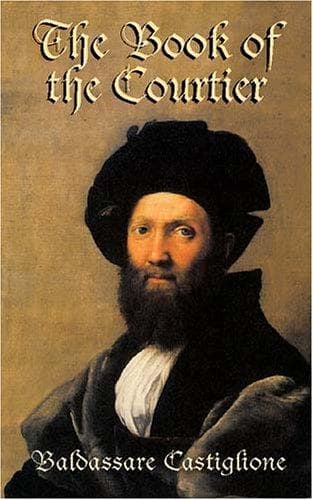
The Book of the CourtierCastiglione, Baldassarre, conte
History
The Book of the Courtier
Castiglione, Baldassarre, conte
Courtesy -- Early works to 1800; Courts and courtiers -- Early works to 1800
Therefore in the evening chill of life, when our sun begins to sink to
its setting and steals away those pleasures, we should fare better if in
losing them, we could lose the memory of them also, and as Themistocles
said, find an art that shall teach us to forget. For so deceitful are
our bodily senses, that they often cheat even the judgment of our minds.
Thus it seems to me that old people are in like case with those who keep
their eyes fixed upon the land as they leave port, and think their ship
is standing still and the shore recedes, although it is the other way.
For both the port and also time and its pleasures remain the same, and
one after another we take flight in the ship of mortality upon that
boisterous sea which absorbs and devours everything, and are never
suffered to touch shore again, but always tossed by adverse winds we are
wrecked upon some rock at last.
Since therefore the senile mind is an unfit subject for many pleasures,
it cannot enjoy them; and just as to men in fever, when the palate is
spoiled by corrupt vapours, all wines seem bitter, however precious and
delicate they be,—so old men, because of their infirmity (which yet does
not deprive them of appetite), find pleasures flat and cold and very
different from those which they remember tasting of old, although the
pleasures are intrinsically the same. Thus they feel themselves
despoiled, and they lament and call the present times bad, not
perceiving that the change lies in themselves and not in the times; and
on the other hand they call to mind their bygone pleasures, and bring
back the time when these were enjoyed and praise it as good, because it
seems to carry with it a savour of what they felt when it was present.
For in truth our minds hold all things hateful that have been with us in
our sorrows, and love those that have been with us in our joys.
[Illustration:
BORSO D’ESTE
DUKE OF FERRARA
1413-1471
]
Enlarged from Anderson’s photograph (no. 11375) of a part of the injured
fresco, “Triumph of Minerva,” in the Palazzo Schifanoia at Ferrara,
painted about 1468 by Francesco Cossa (1438?-1480?). See Gustave
Gruyer’s _L’Art Ferrarais_, ii, 581.
Public-domain text, read in full here on John Shaqi.
Reviews
Reviews
No reviews yet
Be the first to share your thoughts on this work.
Elsewhere in the archive
Join the Discussion
Join the discussion
Sign in to leave a comment or review.
Sign InorCreate an account