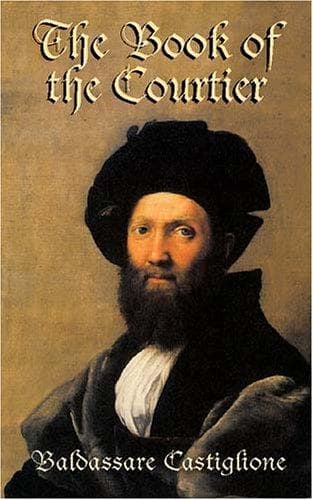
The Book of the CourtierCastiglione, Baldassarre, conte
History
The Book of the Courtier
Castiglione, Baldassarre, conte
Courtesy -- Early works to 1800; Courts and courtiers -- Early works to 1800
Who does not know that there would be no justice in the world, if there
were no wrongs? No courage, if there were no cowards? No continence, if
there were no incontinence? No health, if there were no infirmity? No
truth, if there were no lying? No good fortune, if there were no
misfortunes? Thus, according to Plato,[152] Socrates well says it is
surprising that Æsop did not write a fable showing that as God had never
been able to join pleasure and pain together, He joined them by their
extremities, so that the beginning of the one should be the end of the
other; for we see that no joy can give us pleasure, unless sorrow
precedes it. Who can hold rest dear, unless he has first felt the
hardship of fatigue? Who enjoys food, drink and sleep, unless he has
first endured hunger, thirst and wakefulness? Hence I believe that
sufferings and diseases were given man by nature not chiefly to make him
subject to them (since it does not seem fitting that she who is mother
of every good should give us such evils of her own determined purpose),
but as nature created health, joy and other blessings,—diseases, sorrows
and other ills followed after them as a consequence. In like manner, the
virtues having been bestowed upon the world by grace and gift of nature,
at once by force of that same bounden opposition, the vices became their
fellows by necessity; so that always as the one waxes or wanes, thus
likewise must needs the other wax or wane.
3.—So when our old men praise bygone courts for not containing such
vicious men as some that our courts contain, they do not perceive that
their courts did not contain such virtuous men as some that ours
contain; which is no marvel, for no evil is so bad as that which springs
from the corrupted seed of good, and hence, as nature now puts forth far
better wits than she did then, those who devote themselves to good, do
far better than was formerly done, and likewise those who devote
themselves to evil, do far worse. Therefore we must not on that account
say that those who refrained from evil because they did not know how to
do evil, deserved any praise for it; for although they did little harm,
they did the worst they could. And that the wits of those times were
generally inferior to those of our time, can be well enough perceived in
all that we see of those times, both in letters and in pictures,
statues, buildings, and every other thing.
Public-domain text, read in full here on John Shaqi.
Reviews
Reviews
No reviews yet
Be the first to share your thoughts on this work.
Elsewhere in the archive
Join the Discussion
Join the discussion
Sign in to leave a comment or review.
Sign InorCreate an account