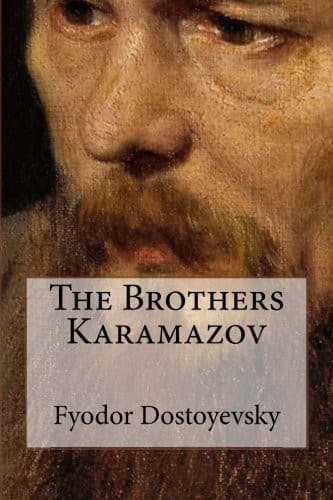
Brothers -- Fiction; Didactic fiction; Fathers and sons -- Fiction; Russia -- Social life and customs -- 1533-1917 -- Fiction
When Alyosha happened for a moment to leave the cell, he was struck by
the general excitement and suspense in the monks who were crowding
about it. This anticipation showed itself in some by anxiety, in others
by devout solemnity. All were expecting that some marvel would happen
immediately after the elder’s death. Their suspense was, from one point
of view, almost frivolous, but even the most austere of the monks were
affected by it. Father Païssy’s face looked the gravest of all.
Alyosha was mysteriously summoned by a monk to see Rakitin, who had
arrived from town with a singular letter for him from Madame Hohlakov.
In it she informed Alyosha of a strange and very opportune incident. It
appeared that among the women who had come on the previous day to
receive Father Zossima’s blessing, there had been an old woman from the
town, a sergeant’s widow, called Prohorovna. She had inquired whether
she might pray for the rest of the soul of her son, Vassenka, who had
gone to Irkutsk, and had sent her no news for over a year. To which
Father Zossima had answered sternly, forbidding her to do so, and
saying that to pray for the living as though they were dead was a kind
of sorcery. He afterwards forgave her on account of her ignorance, and
added, “as though reading the book of the future” (this was Madame
Hohlakov’s expression), words of comfort: “that her son Vassya was
certainly alive and he would either come himself very shortly or send a
letter, and that she was to go home and expect him.” And “Would you
believe it?” exclaimed Madame Hohlakov enthusiastically, “the prophecy
has been fulfilled literally indeed, and more than that.” Scarcely had
the old woman reached home when they gave her a letter from Siberia
which had been awaiting her. But that was not all; in the letter
written on the road from Ekaterinenburg, Vassya informed his mother
that he was returning to Russia with an official, and that three weeks
after her receiving the letter he hoped “to embrace his mother.”
Madame Hohlakov warmly entreated Alyosha to report this new “miracle of
prediction” to the Superior and all the brotherhood. “All, all, ought
to know of it!” she concluded. The letter had been written in haste,
the excitement of the writer was apparent in every line of it. But
Alyosha had no need to tell the monks, for all knew of it already.
Rakitin had commissioned the monk who brought his message “to inform
most respectfully his reverence Father Païssy, that he, Rakitin, has a
matter to speak of with him, of such gravity that he dare not defer it
for a moment, and humbly begs forgiveness for his presumption.” As the
monk had given the message to Father Païssy before that to Alyosha, the
latter found after reading the letter, there was nothing left for him
to do but to hand it to Father Païssy in confirmation of the story.
Public-domain text, read in full here on John Shaqi.
Reviews
Reviews
No reviews yet
Be the first to share your thoughts on this work.
Elsewhere in the archive
Join the Discussion
Join the discussion
Sign in to leave a comment or review.
Sign InorCreate an account