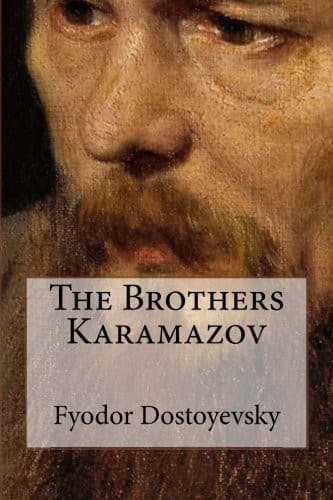
Brothers -- Fiction; Didactic fiction; Fathers and sons -- Fiction; Russia -- Social life and customs -- 1533-1917 -- Fiction
“Alive?”
“In the spirit and glory of Elijah, haven’t you heard? He will take me
in His arms and bear me away.”
Though the monk returned to the cell he was sharing with one of the
brothers, in considerable perplexity of mind, he still cherished at
heart a greater reverence for Father Ferapont than for Father Zossima.
He was strongly in favor of fasting, and it was not strange that one
who kept so rigid a fast as Father Ferapont should “see marvels.” His
words seemed certainly queer, but God only could tell what was hidden
in those words, and were not worse words and acts commonly seen in
those who have sacrificed their intellects for the glory of God? The
pinching of the devil’s tail he was ready and eager to believe, and not
only in the figurative sense. Besides he had, before visiting the
monastery, a strong prejudice against the institution of “elders,”
which he only knew of by hearsay and believed to be a pernicious
innovation. Before he had been long at the monastery, he had detected
the secret murmurings of some shallow brothers who disliked the
institution. He was, besides, a meddlesome, inquisitive man, who poked
his nose into everything. This was why the news of the fresh “miracle”
performed by Father Zossima reduced him to extreme perplexity. Alyosha
remembered afterwards how their inquisitive guest from Obdorsk had been
continually flitting to and fro from one group to another, listening
and asking questions among the monks that were crowding within and
without the elder’s cell. But he did not pay much attention to him at
the time, and only recollected it afterwards.
He had no thought to spare for it indeed, for when Father Zossima,
feeling tired again, had gone back to bed, he thought of Alyosha as he
was closing his eyes, and sent for him. Alyosha ran at once. There was
no one else in the cell but Father Païssy, Father Iosif, and the novice
Porfiry. The elder, opening his weary eyes and looking intently at
Alyosha, asked him suddenly:
“Are your people expecting you, my son?”
Alyosha hesitated.
“Haven’t they need of you? Didn’t you promise some one yesterday to see
them to-day?”
“I did promise—to my father—my brothers—others too.”
“You see, you must go. Don’t grieve. Be sure I shall not die without
your being by to hear my last word. To you I will say that word, my
son, it will be my last gift to you. To you, dear son, because you love
me. But now go to keep your promise.”
Alyosha immediately obeyed, though it was hard to go. But the promise
that he should hear his last word on earth, that it should be the last
gift to him, Alyosha, sent a thrill of rapture through his soul. He
made haste that he might finish what he had to do in the town and
return quickly. Father Païssy, too, uttered some words of exhortation
which moved and surprised him greatly. He spoke as they left the cell
together.
Public-domain text, read in full here on John Shaqi.
Reviews
Reviews
No reviews yet
Be the first to share your thoughts on this work.
Elsewhere in the archive
Join the Discussion
Join the discussion
Sign in to leave a comment or review.
Sign InorCreate an account