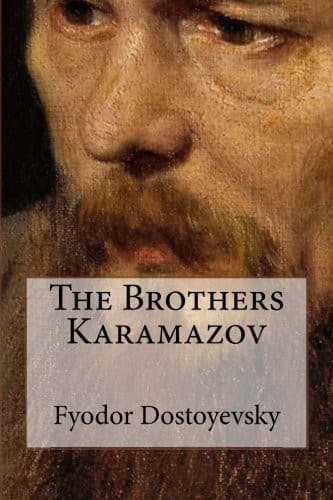
Brothers -- Fiction; Didactic fiction; Fathers and sons -- Fiction; Russia -- Social life and customs -- 1533-1917 -- Fiction
“Yes, very much, and he was in a great fury. He was avenging you on me
as a Karamazov, I see that now. But if only you had seen how he was
throwing stones at his school-fellows! It’s very dangerous. They might
kill him. They are children and stupid. A stone may be thrown and break
somebody’s head.”
“That’s just what has happened. He has been bruised by a stone to-day.
Not on the head but on the chest, just above the heart. He came home
crying and groaning and now he is ill.”
“And you know he attacks them first. He is bitter against them on your
account. They say he stabbed a boy called Krassotkin with a pen-knife
not long ago.”
“I’ve heard about that too, it’s dangerous. Krassotkin is an official
here, we may hear more about it.”
“I would advise you,” Alyosha went on warmly, “not to send him to
school at all for a time till he is calmer ... and his anger is
passed.”
“Anger!” the captain repeated, “that’s just what it is. He is a little
creature, but it’s a mighty anger. You don’t know all, sir. Let me tell
you more. Since that incident all the boys have been teasing him about
the ‘wisp of tow.’ Schoolboys are a merciless race, individually they
are angels, but together, especially in schools, they are often
merciless. Their teasing has stirred up a gallant spirit in Ilusha. An
ordinary boy, a weak son, would have submitted, have felt ashamed of
his father, sir, but he stood up for his father against them all. For
his father and for truth and justice. For what he suffered when he
kissed your brother’s hand and cried to him ‘Forgive father, forgive
him,’—that only God knows—and I, his father. For our children—not your
children, but ours—the children of the poor gentlemen looked down upon
by every one—know what justice means, sir, even at nine years old. How
should the rich know? They don’t explore such depths once in their
lives. But at that moment in the square when he kissed his hand, at
that moment my Ilusha had grasped all that justice means. That truth
entered into him and crushed him for ever, sir,” the captain said hotly
again with a sort of frenzy, and he struck his right fist against his
left palm as though he wanted to show how “the truth” crushed Ilusha.
“That very day, sir, he fell ill with fever and was delirious all
night. All that day he hardly said a word to me, but I noticed he kept
watching me from the corner, though he turned to the window and
pretended to be learning his lessons. But I could see his mind was not
on his lessons. Next day I got drunk to forget my troubles, sinful man
as I am, and I don’t remember much. Mamma began crying, too—I am very
fond of mamma—well, I spent my last penny drowning my troubles. Don’t
despise me for that, sir, in Russia men who drink are the best. The
best men amongst us are the greatest drunkards. I lay down and I don’t
remember about Ilusha, though all that day the boys had been jeering at
him at school. ‘Wisp of tow,’ they shouted, ‘your father was pulled out
Public-domain text, read in full here on John Shaqi.
Reviews
Reviews
No reviews yet
Be the first to share your thoughts on this work.
Elsewhere in the archive
Join the Discussion
Join the discussion
Sign in to leave a comment or review.
Sign InorCreate an account